
Introduction
Picture this. You sit down after a long day of work, ready to level up your skills. You type "best computer courses" into your search bar. Suddenly, you find yourself drowning in thousands of Udemy courses, endless Coursera free courses, and dozens of ads for online bachelor degree programs. Where do you even start?
You are not alone. The online education market is exploding right now. In fact, the global market was valued at over $347 billion in 2025 and is expected to nearly double by 2035. The MOOC market alone is projected to hit $119 billion by 2029. That is a lot of options. But for software engineers like you, this abundance comes with a hidden cost.
Information overload is real. With thousands of new courses launching every week, picking the wrong one wastes your time and your money. Worse, it can leave you feeling stuck while your peers move ahead.

That is why this guide exists. We are not going to list every course on the planet. Instead, we are going to give you a clear framework. A system to evaluate any course based on two things: where you are in your career and what the market actually needs right now in 2026.
The goal is simple. Help you find the training that fills your real skill gaps. The kind of learning that gets you a promotion, a new job, or the confidence to tackle that big project at work. If you are looking for something more specific, check out our guide on how to choose the best web development class online in 2026 for a deeper dive into one popular path.
Let us be honest. Most people buy courses and never finish them. The problem is not a lack of motivation. It is a lack of the right course. When you choose a course that matches your current level and the tools your company actually uses, you finish it. You use what you learn. And your career grows.
As we walk through this guide together, keep this in mind. The best course is not the cheapest or the most popular. It is the one you actually complete and apply.
Staying current in tech is a daily practice. That is why we recommend a resource that delivers clear, daily AI updates straight to your inbox. It helps you cut through the noise so you can focus on what matters. Subscribe to The Deep View Newsletter and get the intelligence you need to stay ahead without the overwhelm.
The State of Online Computer Education in 2026
So what does the landscape of computer courses actually look like in 2026? The numbers alone tell a big story. The online education market is now worth $101.09 billion this year, up from $82.81 billion in 2025. And it keeps climbing. Researchers predict it could reach nearly $780 billion by 2035. The global e-learning market is expected to hit $400 billion in 2026 alone. That is not just growth. It is a full on explosion.
But the real change is not just the money. It is how courses are built. The old way of learning? Sitting through two hour video lectures and answering multiple choice quizzes. That is fading fast. In 2026, the top computer courses are hands on and project based. You do not just watch code. You write it. You build real apps. And perhaps the biggest shift is how AI is woven into the curriculum. Platforms are using AI to personalize your learning path, generate practice problems, and even grade your work. The industry is evolving fast.
This change is being driven by what employers actually need. Right now, the hottest skills are in AI, cloud computing, and cybersecurity.

Companies are struggling to find engineers who can deploy machine learning models, secure a cloud infrastructure, or build with the latest AI APIs. That is why platforms like Coursera, Udemy, and edX are rushing to offer specialized tracks in these areas. And it is not just for beginners. Even senior engineers need to upskill. For example, if you work with AWS, you might want to learn how to use SageMaker to build, train, and deploy models directly. Or if you are aiming for a cloud role, getting an AWS DevOps certification can give you a clear edge.
The demand for these specialized skills is surging right now. And the good news? You do not need to go back to school for a full online bachelor degree program. Short, focused courses from trusted providers can fill your skill gaps faster and cheaper. To get a head start on one of the most in demand areas, check out our list of Google courses in 2026 that will advance your tech career. It covers free and paid options that map directly to what employers are hiring for.
With so much changing so quickly, staying on top of trends can feel like a full time job. That is why many engineers subscribe to a daily digest that cuts through the noise. The Deep View Newsletter delivers clear, daily AI updates straight to your inbox. It helps you spot the next big shift without spending hours hunting for information.
How to Choose the Right Computer Course for Your Career Level
Not all computer courses are built the same. The best one for you depends on where you are in your career.
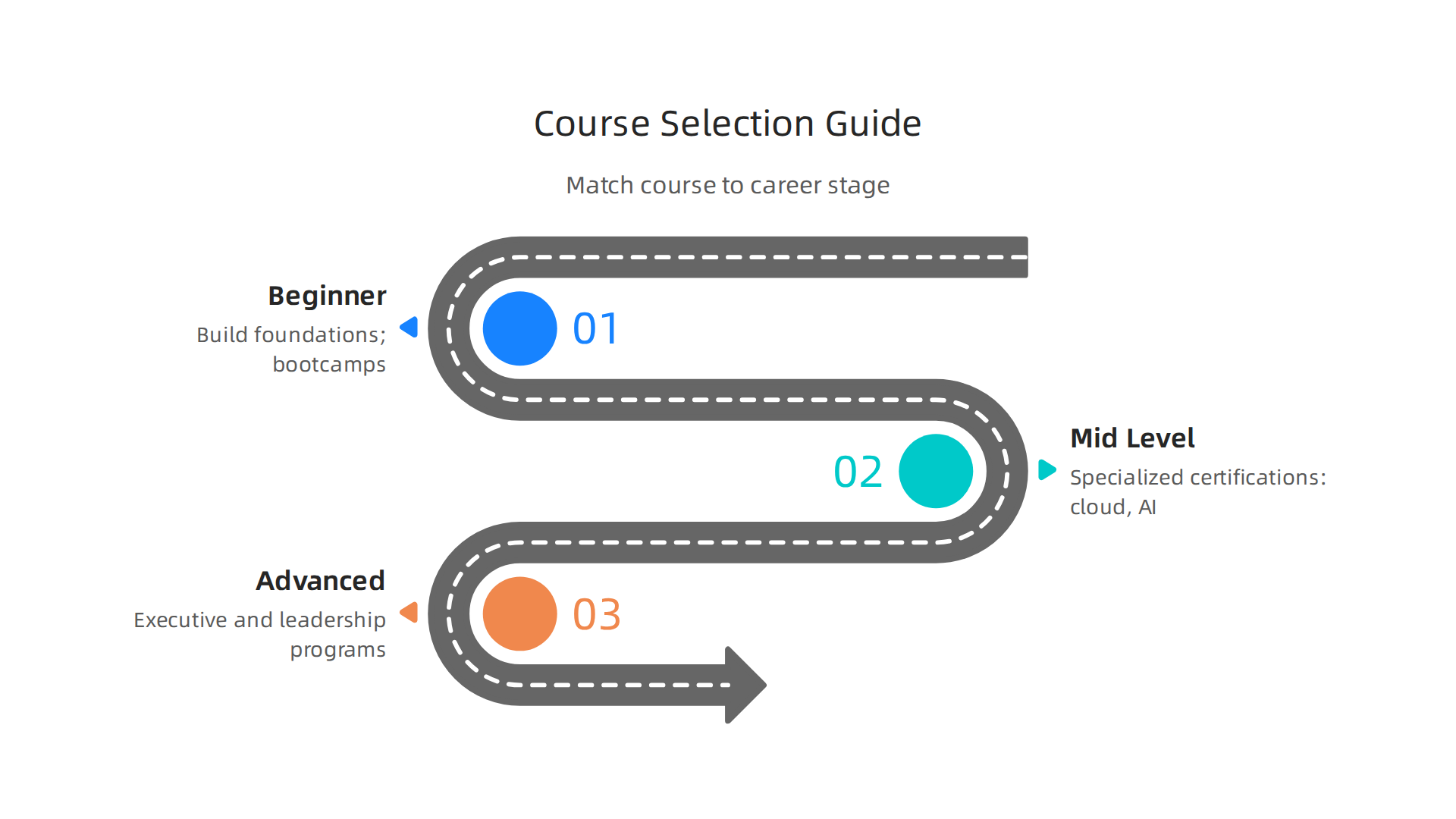
If you are just starting out, you need courses that build a strong foundation. That means covering math, programming basics, and computer science principles. A broad curriculum in core areas like operating systems and algorithms is key. As the Dice article on software engineering degrees explains, a well rounded program is critical early on.
If you are mid career, you probably already know the basics. What you need now is depth. Look for courses that teach specific skills like Python, JavaScript, or Java. These are the languages employers actually ask for. The WGU guide on software engineer qualifications highlights that proficiency in these languages is essential. At this stage, accreditation matters. A certificate from a recognized provider can prove your skills to hiring managers. That is why many engineers prefer online certifications for software engineering that carry real weight.
For senior engineers, the goal is to balance depth and breadth. You need to stay current with emerging tech like AI and cloud computing without losing your core expertise. Instead of a full online bachelor degree program, look for short, specialized courses. And remember, the field changes fast. That is exactly why so many experienced engineers subscribe to the Deep View Newsletter. It delivers daily, clear updates so you never miss a shift in what matters most.
For Beginners: Foundations and Bootcamps
If you are brand new to tech, you have two solid paths. First, foundation courses. These build your core knowledge in math, programming, and computer science. Some popular options include udemy courses and coursera free courses. But make sure the curriculum covers the essentials. As Harvard Extension School notes, a strong foundation in math and programming is critical for any software engineer. These courses often include data structures and operating systems, topics the Dice article highlights as key.
Second, coding bootcamps. These are fast, immersive programs. You swap long semesters for weeks of focused work. Bootcamps also offer career support like resume help and job placement. That can be a huge boost when you are just starting out.
No matter which path you choose, look for community support. Mentorship and group learning make a real difference early on. For more on finding the right training, check out this guide on how to choose the best web development class online in 2026. And if you want to stay current on tech trends as you learn, the Deep View Newsletter delivers clear daily insights to help you grow.
For Mid-Level Engineers: Specialized Certifications
Once your beginner computer courses are done, it is time to specialize. Maybe you took some udemy courses, coursera free courses, or even started online bachelor degree programs to get your foundation. Now you need something more focused to level up your career.
A strong foundation in math and engineering is essential, as Harvard Extension School highlights, but mid-career growth depends on specialized certifications. Cloud certs from AWS, Azure, and Google Cloud are highly valued in 2026. They prove you can manage real world infrastructure. If you are diving into this area, our AWS DevOps certification guide breaks down exactly what you need to know.
Data science and machine learning specializations open huge doors. You will move beyond basic coding into building intelligent systems. The Dice article notes that modern software engineering curricula heavily feature AI. To get hands on, see how AWS SageMaker can help you train your first model.
Finally, project management and Agile certifications prove you can lead teams and deliver results. Our guide on context engineering for Agile and DevOps teams helps bridge technical execution and business strategy.
To stay ahead in AI and other specialized fields, the Deep View Newsletter provides clear daily insights perfect for the modern engineer.
For Advanced Professionals: Executive and Leadership Programs
You have built technical depth with specialized certifications. Now you need leadership skills to reach the C-suite. Executive MBAs in Technology Management are designed for this. They prepare you for CTO roles by blending technical vision with business strategy.
Platforms like Coursera and edX also offer leadership courses tailored for tech leaders. These programs focus on strategic thinking and organizational influence. They teach you how to drive change across teams, not just within codebases. As 84% of institutions now design microcredentials for professional advancement, even short leadership programs can boost your career.
Whether you choose a full degree or a focused course, the goal is to think bigger than technology. The best leaders bridge engineering and business.
For more on advanced learning paths, see our guide on online certifications for software engineering to keep your skills sharp.
To stay current on the intersection of AI, tech leadership, and strategy, get daily insights from The Deep View Newsletter. It is built for professionals who need clear, actionable intelligence.
Top Platforms for Computer Courses Compared
The previous section focused on executive leadership programs. Those are great when you are already on a high career path. But most of us start by building a strong technical foundation. That is where picking the right platform matters most.
The world of "computer courses" is huge. You have Coursera, edX, Udacity, Pluralsight, and LinkedIn Learning leading the pack.
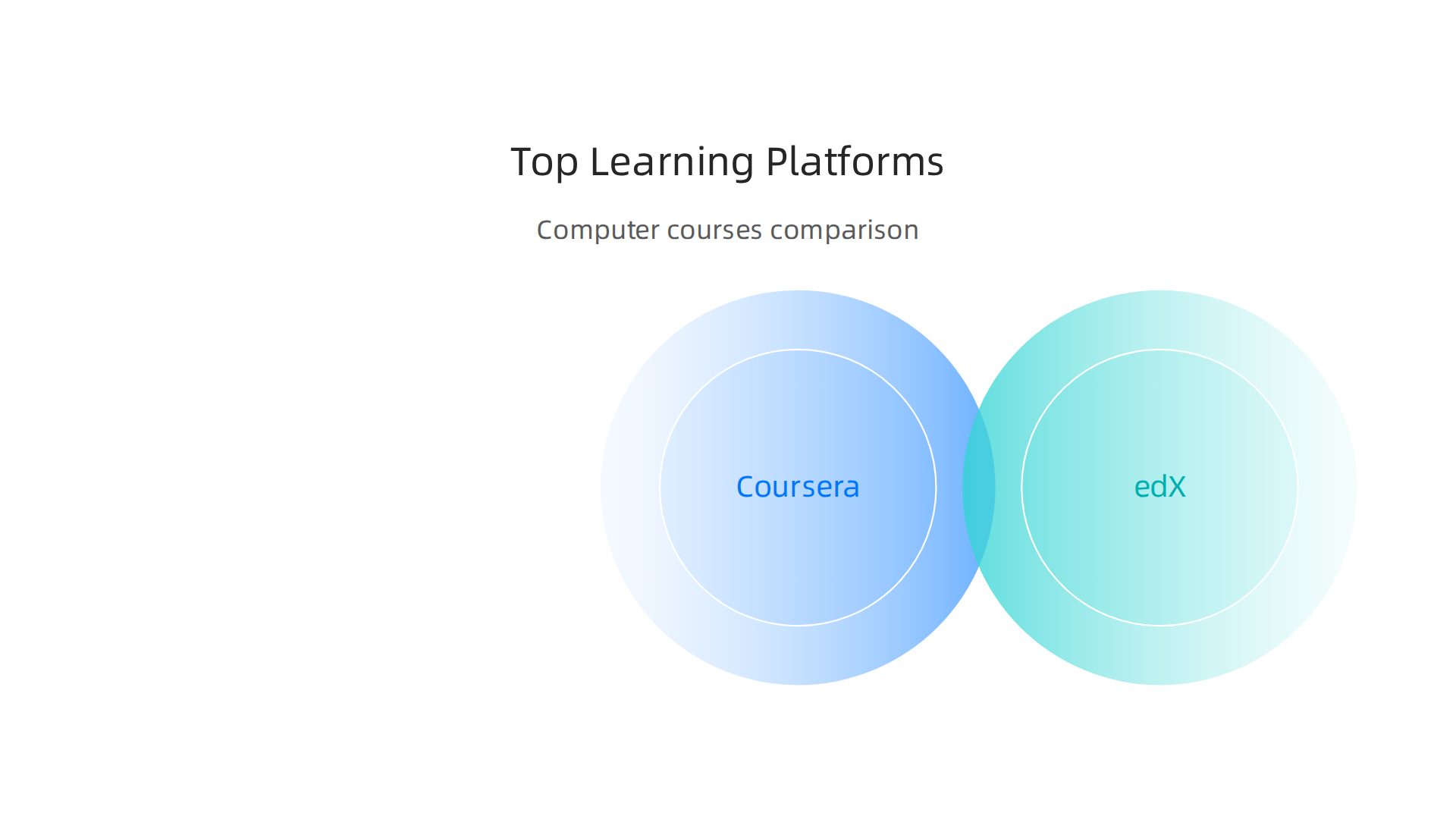
Each one has a different personality. Each one fits a different learning style and career goal.
Picking the wrong platform can feel like a waste of time. Picking the right one can change your career. Let’s compare them.
Coursera
Coursera works with top universities. You can find real "online bachelor degree programs" here.
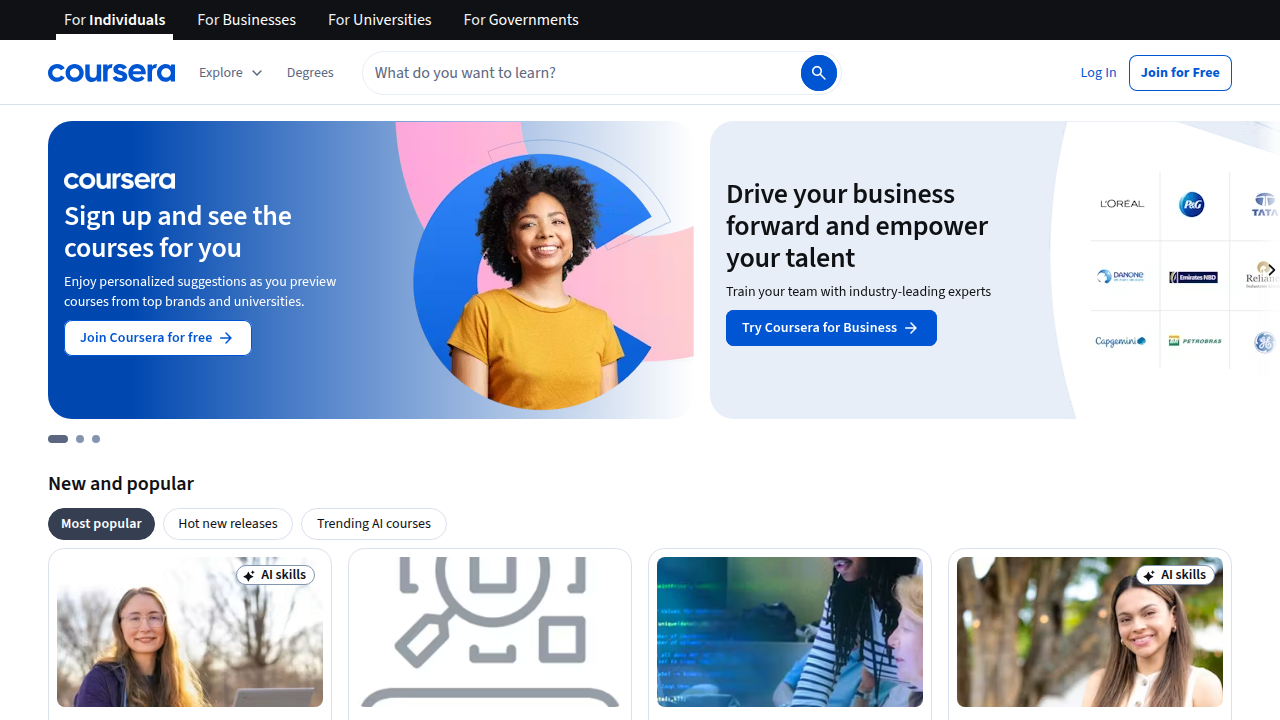
Many people search for "coursera free courses" to try a subject before paying. Coursera is an accredited online learning platform and its completion certificate is recognized and valued. This matters if your employer requires formal credentials. It is a strong pick if you want university quality without the full tuition cost.
edX
edX was founded by Harvard and MIT. It focuses on deep academic learning.
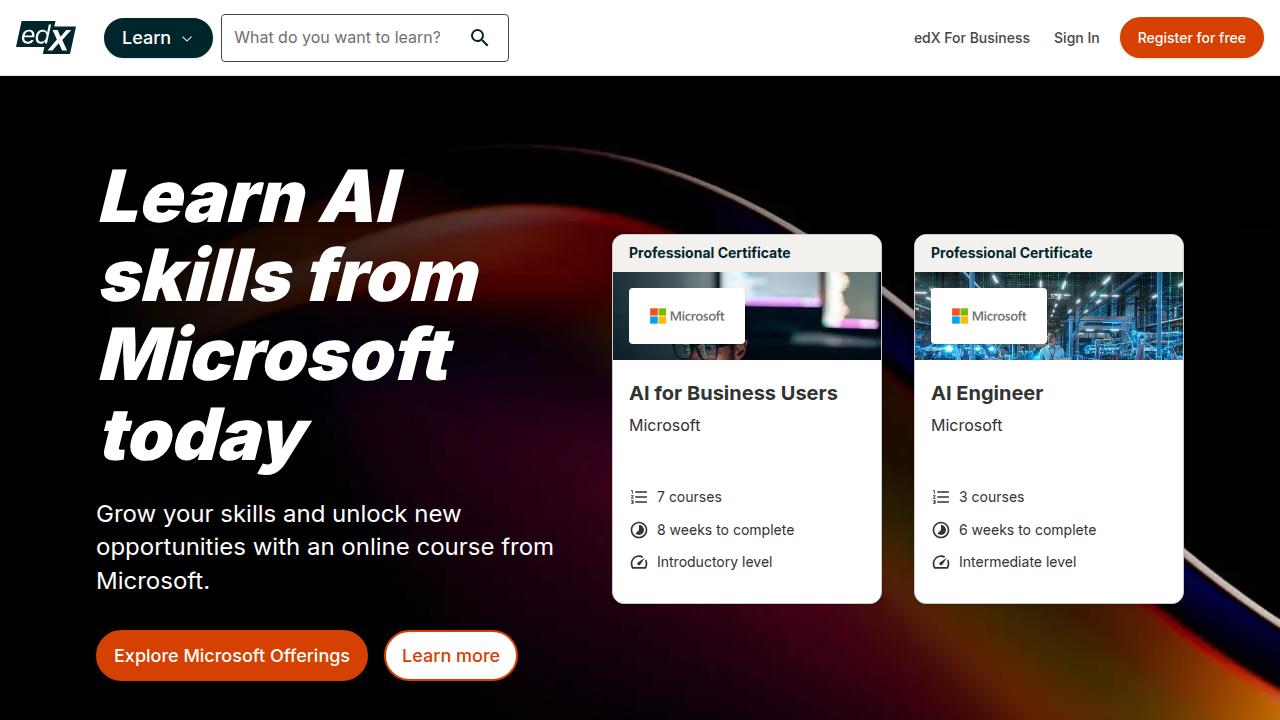
The courses are rigorous and theory-based. The student experience varies between platforms, with pacing and workload being key factors. edX is perfect if you love learning the "why" behind the code. It also offers online degree programs from top schools.
Udacity
Udacity is different. It focuses on "nanodegrees" built with companies like Google and Amazon. You learn by building projects. You create a portfolio as you go. This comparison shows that Udacity is more expensive but very hands-on. If your main goal is to get a new job fast, Udacity is a solid choice.
Pluralsight
Pluralsight is built for tech professionals. It uses skill assessments to find your weak spots.
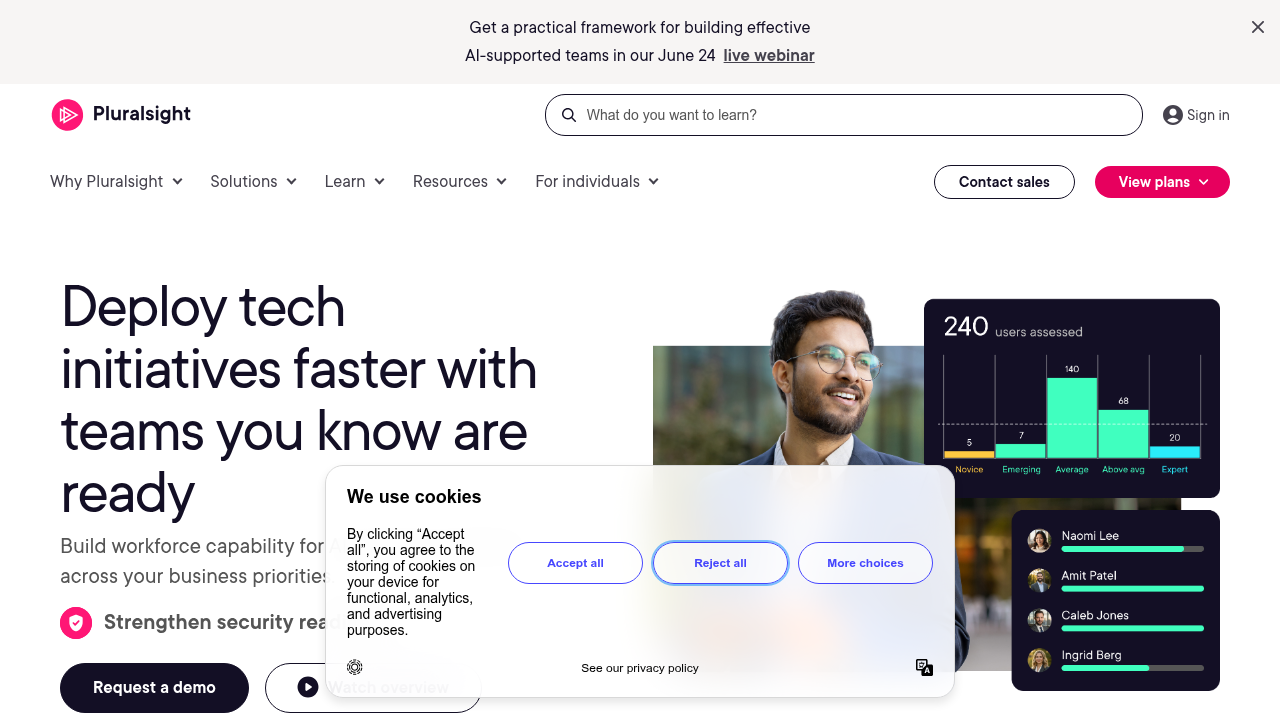
It focuses on deep technical skills like cloud, security, and software development. It is less about "computer courses" for beginners and more about upskilling teams.
LinkedIn Learning
LinkedIn Learning is great for professional development. It covers business, creative, and tech skills. The best part is it connects directly to your LinkedIn profile. It is easy to showcase what you have learned.
How to Decide?
- For University Credentials: Choose Coursera or edX.
- For Job-Focused Skills: Choose Udacity.
- For Team Training: Choose Pluralsight.
- For Quick Professional Growth: Choose LinkedIn Learning.
The best "computer courses" for you match your current goal. Do not just follow the hype. Pick the platform that fits your style.
For more details on specific learning tracks, check out our guide to online certifications for software engineering.
The tech world changes fast. To stay current on the intersection of AI, tech leadership, and strategy, get daily insights from The Deep View Newsletter. It is built for professionals who need clear, actionable intelligence.
Emerging Technologies and Course Demand: AI, Cloud, DevOps
The online education market is booming. It is expected to reach $400 billion by 2026.
AI and Machine Learning
This is the hottest area right now. AI and machine learning courses have the highest enrollment growth. The MOOC market, which includes platforms like Coursera and Udacity, is a $22.8 billion industry. To build real skills, check out this guide on how to bridge the AI to human gap in your code.
Cloud Computing
Cloud skills are not optional anymore. Every industry needs them. If you want to go deeper, read this on why your AWS console is not enough anymore for cloud operations in 2026.
DevOps and Site Reliability Engineering
Computer courses for DevOps keep changing. New tools pop up all the time. Stay ahead with this guide to context engineering for agile and DevOps teams.
The tech world changes fast. To stay current on the intersection of AI, tech leadership, and strategy, get daily insights from The Deep View Newsletter. It is built for professionals who need clear, actionable intelligence.
AI and Machine Learning Courses
So which computer courses should you focus on in 2026? AI and machine learning courses are the clear winners. According to the experts, AI implementation is the top skill employers are hiring for this year. Generative AI bootcamps are exploding in popularity. They teach you how to build applications using large language models. These bootcamps now include ethics modules too. Why? Companies want responsible AI use from day one.
Next, certification tracks in TensorFlow and PyTorch are highly sought after. These prove you can actually build and deploy models. If you are looking for recognized credentials, check out the latest online certifications for software engineering that include these frameworks.
Many programs now partner with companies to offer real-world capstone projects. You solve actual business problems, not just homework. Platforms like Coursera and Udemy have free and paid versions of these courses. Even some online bachelor degree programs include AI specializations.
To stay ahead of the fast moving AI landscape, get daily insights from The Deep View Newsletter. It delivers clear, actionable intelligence on the latest AI trends and course recommendations.
Cloud Computing and DevOps Courses
When you look at the best computer courses for 2026, cloud computing and DevOps training sit near the top. Why? Companies are adopting multi-cloud strategies. They need people who can work across AWS, Azure, and Google Cloud. According to recent data, cloud architecture is one of the top tech skills US employers are hiring for this year Artech. That makes certifications like AWS Certified Solutions Architect or Google Cloud Professional very valuable.
You also need the core tools that make DevOps run. Kubernetes, Docker, and Terraform are now standard requirements. You can find Udemy courses and Coursera free courses that cover these topics. Some online bachelor degree programs even include cloud computing specializations now.
Another big area is Site Reliability Engineering (SRE) and continuous delivery. These courses teach you how to keep systems stable while releasing updates fast. If you want to prepare for a cloud role, check out this detailed guide on AWS DevOps certification still matters in 2026 here is how to pass.
Finally, don’t forget that AI is changing operations too. To stay on top of how AI impacts cloud and DevOps, get daily updates from The Deep View Newsletter.
Maximizing Your Learning: Strategies for Software Engineers
Signing up for a course is a great start. But here’s the truth: just watching videos or reading lessons won’t make you a stronger software engineer. You need a real strategy to turn that knowledge into skills that stick.
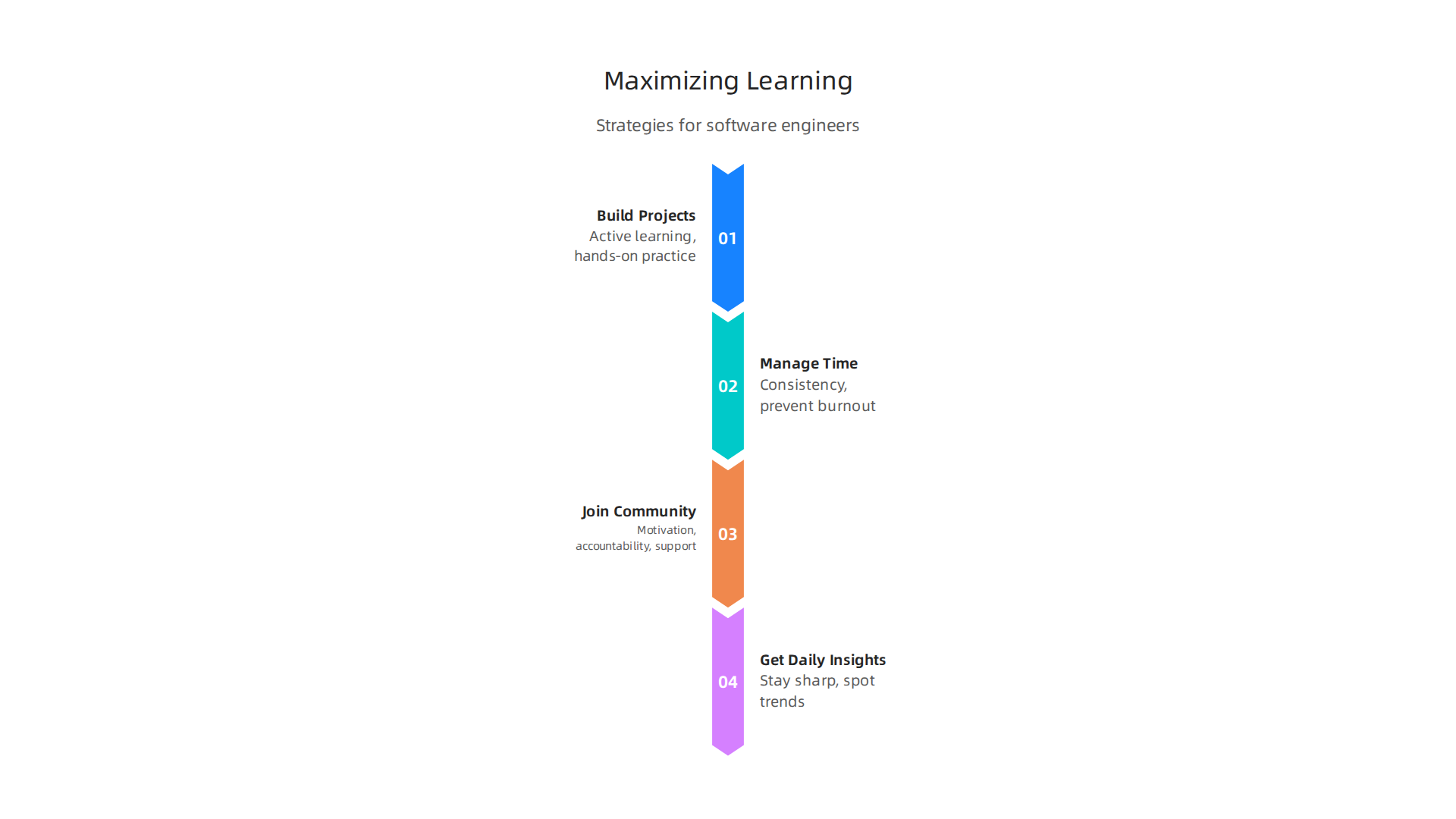
Whether you are taking udemy courses, coursera free courses, or full online bachelor degree programs, how you learn matters just as much as what you learn.
Build projects as you learn. This is the number one active learning technique. Reading about Kubernetes is one thing. Setting up a cluster and deploying a container is another. Try to create a small app, automate a task, or rebuild a tool you use. This hands-on practice forces your brain to connect the dots. According to Intuit, good programming languages to start with include Python, JavaScript, and Java Intuit Blog. Pick one and build something real. You will remember it much longer.
Manage your time like a pro. Most people taking computer courses are working professionals. You have a job, maybe a family, and limited hours. The key is consistency over intensity. Set aside 30 to 60 minutes most days instead of cramming on weekends. Use your calendar to block study time. Treat it like a meeting you cannot skip. If you are enrolled in online bachelor degree programs, chunk your assignments into smaller pieces. This approach prevents burnout and keeps you moving forward.
Join a community or start a study group. Learning alone gets lonely and hard. When you join a group, you stay motivated and accountable. You can ask questions, share wins, and get unstuck faster.

Many course platforms now offer discussion forums or cohort features. You can also find local meetups or online Discord servers. For a deeper look at how teams work together effectively, check out this guide on context engineering for agile and DevOps teams. It shows how shared understanding speeds up learning.
Get daily insights to stay sharp. The tech world moves fast. New tools and techniques appear all the time. One easy way to keep learning is to read a short AI newsletter each morning. The Deep View Newsletter delivers clear daily updates that help you spot trends early. It is a small habit that pays off big over time. Subscribe to The Deep View Newsletter and get smarter every day.
The best computer courses are the ones you actually finish and apply. Use these strategies, and you will not just learn. You will grow into the engineer you want to be.
The Future of Computer Education: Credentials, Microcredentials, and Lifelong Learning
The way we prove our skills is changing fast.
The old idea that a four-year degree is the only path to a great tech career? That is fading. In 2026, employers care more about what you can actually do than where you studied. And that shift is opening up new ways to grow your career.
Microcredentials and stackable certificates are becoming mainstream. Instead of spending years on a full degree, you can earn short, focused credentials that prove specific skills. According to a 2026 report, 85% of institutions now design these microcredentials for workforce development State of Microcredentials 2026. That means a certificate in cloud computing from a respected platform can carry real weight with hiring managers. Many people now combine several microcredentials to build a custom education. For example, you might take udemy courses on Python, then a coursera free course on machine learning, and finish with an AWS certification. Together, these stackable pieces create a strong profile.
Employers are shifting to skills-based hiring. They are looking for demonstrated ability, not just a diploma. A survey shows that microcredentials can make you more attractive to potential employers, especially in a competitive market Microcredentials: Empowering Modern Learners & Employers. The top tech skills companies need right now include AI, cloud architecture, cybersecurity, and data analysis Top Tech Skills US Employers Hiring for in 2026. If you can prove you know those skills through projects, portfolios, and stackable certificates, you have a real edge. That is why many professionals now focus on online bachelor degree programs that are more flexible, or even skip degrees altogether in favor of targeted learning.
Lifelong learning is now a career requirement. Technology changes too fast to rely on what you learned in school years ago. To stay relevant, you need to keep adding new skills. This is not optional anymore. The best software engineers treat learning as a permanent habit. One easy way to stay ahead is to get daily insights on the latest trends. The Deep View Newsletter delivers clear AI and tech updates that help you spot what matters. Subscribe to The Deep View Newsletter and make staying informed a simple daily routine.
For more on how to pick the right learning path, check out this guide on how to choose the best web development class online in 2026. It will help you decide which computer courses fit your goals in this new landscape.
Summary
This guide gives software engineers a practical framework for choosing computer courses in 2026, focusing on matching training to your career stage and what employers actually need today. It explains market trends—rapid growth, hands-on project work, and AI integration—and highlights the highest-demand skills like AI, cloud computing, and DevOps. The article compares major platforms (Coursera, edX, Udacity, Pluralsight, LinkedIn Learning) and recommends when to pick degrees, nanodegrees, or short certifications. For each career level it recommends concrete paths: foundational courses and bootcamps for beginners, specialized certifications for mid-levels, and leadership programs for senior engineers. It also lays out learning strategies—build projects, block daily study time, join communities—and explains why microcredentials and stackable certificates now carry real hiring weight. The goal: help you pick courses you’ll finish, apply, and use to get promotions, new roles, or lead bigger projects.