
The world of technology is moving very fast in 2026. With so much content being made every day, it’s getting harder to tell what was written by a person and what was made by a computer. This is where AI detection comes in. It’s super important to know if something is AI-generated, especially for people who work with technology.
Think about engineering teams who are building new software. They need to know if the code they are reviewing or the project plans they are using were actually thought up by a human, or if an AI simply put them together. Researchers also need to be sure that the information they study is real and not faked by an AI. Even product leaders, who decide what new things companies will make, rely on real human ideas and feedback. If they can’t tell the difference, it can cause big problems.

The tools that try to find AI-made content are not always perfect. Sometimes, they can even say that human writing, like parts of old important documents, was made by AI. This shows why it’s so important to find the most accurate ai detector. For software engineers, learning to work alongside AI tools is also a growing need, like understanding how to bridge the AI to human gap in your code.
The ability to accurately detect AI content helps maintain trust and quality in all kinds of work. Whether it’s making sure academic papers are original or checking that marketing materials are authentic, having a reliable way to spot AI is key. This is why many engineering teams, researchers, and product leaders are looking for the best tools. They need to avoid mistakes that could hurt their work or their company.
In this guide, we will look closely at the tools available today. We’ll explore which ones are considered the most accurate ai detector in 2026. We’ll also give you practical tips and a bit of history to help you understand this important part of the AI field. Our goal is to give you clear, evidence-based information so you can make smart choices about AI detection.
Want to keep up with the latest in artificial intelligence? The AI Newsletter Worth Reading delivers clear daily AI updates to your inbox.
A concise history of AI detection: from heuristics to model-based detectors
To truly understand the most accurate ai detector tools we have in 2026, it helps to look back at how we got here. The idea of Artificial Intelligence, or AI, began long before today’s smart computer programs. People have thought about intelligent machines for many years, even before we started asking who invented AI in its modern form. As AI started creating things like writing, the need to tell it apart from human work grew.

At first, AI detection was quite simple. Think of it like a game of "spot the difference" with easy rules. These early tools used "heuristics," which are like simple checklists or rules of thumb. For example, they might look for words that were repeated too often, or sentences that sounded too perfect and lacked human mistakes. If a text used the same word many times or had no grammar errors at all, it might be flagged. This was a basic way to find content from an "AI foundry" or where AI content was being created.
But as AI got smarter, especially with the rise of complex language models, these simple rules were not enough. A big change happened when detectors started using statistics. Instead of just looking for single words or simple errors, they began to analyze patterns in language. They looked at how often certain words followed others, how "random" or surprising the word choices were, and how varied the sentence lengths were. Human writing usually has a lot of ups and downs, or "burstiness," while AI writing can be too smooth or predictable.
Today in 2026, the field AI has advanced greatly, and so have its detectors. The most advanced tools now use their own smart computer programs, called machine learning models, to find AI-generated content. These model-based detectors are trained on huge amounts of both human and AI writing. They learn to spot very subtle clues that we might not even notice. For instance, they might recognize specific ways an AI structures its arguments or uses certain types of words that humans typically don’t. These tools are always learning, which is important because AI itself is always getting better at mimicking human writing. This ongoing learning helps to improve the accuracy of detection. Learning about these kinds of models can be a great step for many, and there are many top no code machine learning platforms and prompt engineering tips for 2026 available to help.
When we talk about the most accurate ai detector tools available in 2026, we’re really looking at smart computer programs that use several clever methods. These methods help them figure out if a piece of writing came from a person or an AI.
Here’s a simple look at how these detectors work:
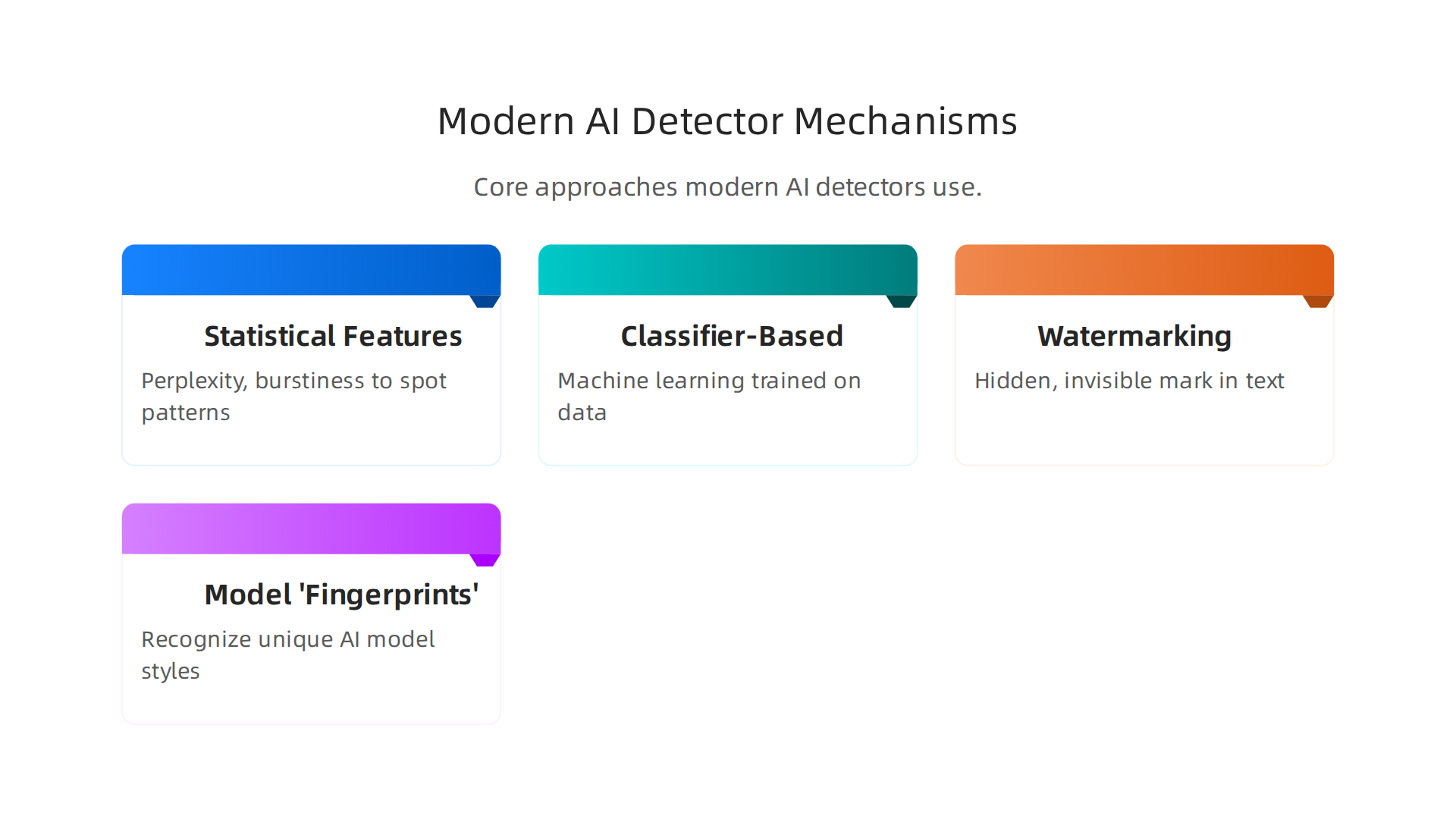
Statistical Features
One common way detectors work is by looking at certain patterns in writing.
- Perplexity: Imagine a computer trying to guess the next word in a sentence. If it’s very easy to guess, the text has low "perplexity." AI writing often has low perplexity because it uses common, predictable word choices. Human writing, however, can be more surprising and have higher perplexity.
- Burstiness: Think about how people talk or write. Sometimes our sentences are short, sometimes long. We use different words and change our rhythm. This mix is called "burstiness." AI writing can sometimes be too smooth and even, lacking the natural "burstiness" of human text.
Classifier-Based Detectors
These are the most advanced tools. They are like special detectives trained to spot AI writing. They learn from huge amounts of text that they already know was written by humans or by AI.
- Learning Patterns: These detectors use something called machine learning. They learn what makes human writing look human and what makes AI writing look like AI. For example, they might pick up on how AI often structures ideas or uses specific phrases that humans don’t.
- Making a Decision: After learning, the detector can then look at a new piece of writing and give it a score or a percentage. This score shows how likely it thinks the text is AI-generated.
Watermarking and Model-Centric Signals
Some newer ideas for detection are also being explored.
- Watermarking: Imagine if AI programs could hide a secret, invisible mark in the text they create. Detectors could then easily find this "watermark" to know the text came from an AI. This is a new method that is still developing.
- Model "Fingerprints": Just like every person has a unique way of writing, different AI models might have their own unique "style" or "fingerprint." Advanced detectors might learn to recognize these subtle differences, helping them tell which AI (if any) created the text. Learning to understand how AI operates can help bridge the gap between AI and human creations, which is important for many software engineers looking to enhance their skills in 2026. If you’re keen to learn more about how to make AI code feel more human, there are resources like How to Bridge the AI to Human Gap in Your Code that can help.
How We Measure if a Detector Is Good
It’s important to know how well these detectors work. We use special measures to check them:
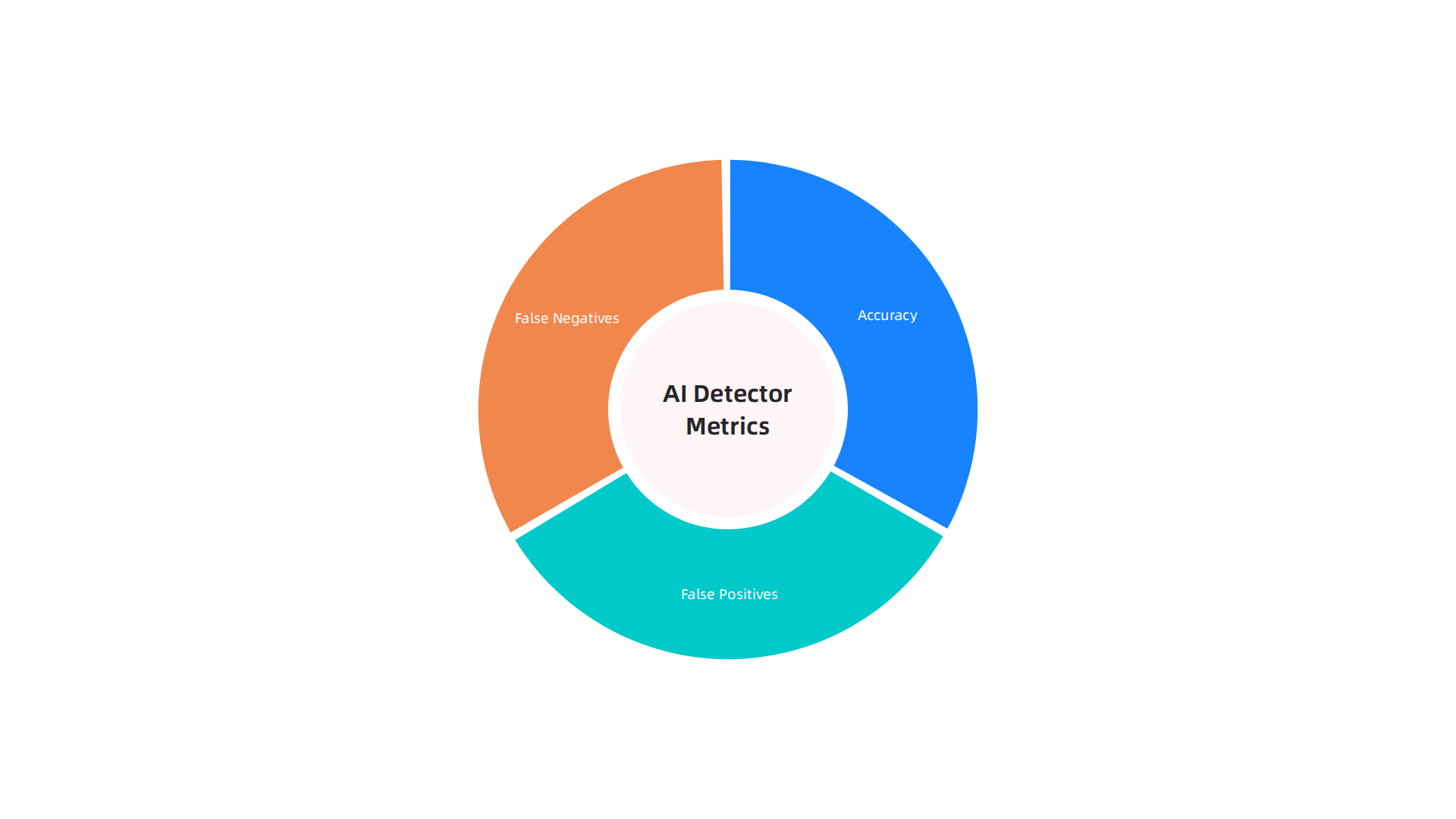
- Accuracy: This is the most basic measure. It tells us how often the detector correctly says if text is human or AI.
- False Positives: This is a big problem. A "false positive" happens when a detector says human-written text was actually made by AI. This can cause unfair issues for people. Some tools have famously identified human writings as AI-generated Detecting AI-Generated Text: Things to Watch For.
- False Negatives: This happens when a detector fails to spot AI writing, thinking it’s human. This means the AI successfully tricked the detector.
The best detectors have high accuracy, but most importantly, they have very few false positives. This makes them trustworthy. For a deeper understanding of how these tools work and their accuracy, you can explore resources like Can we trust academic AI detective? Accuracy and limitations of AI detection tools.
Stay Informed
Understanding how AI detection works is crucial in 2026 as AI continues to evolve rapidly. For the most current and in-depth insights into AI and broader technology developments, consider checking out The AI Newsletter Worth Reading.
Knowing how we measure if an AI detector is good is important. But figuring out which tool is actually the most accurate ai detector in 2026 can be a bit tricky. This is because AI itself keeps getting smarter at creating text that sounds human. The race between AI writing tools and AI detection tools is always ongoing.
Top-Performing Detector Types
In 2026, the detectors showing the best results often fall into a few key areas:
- Advanced Classifier-Based Tools: These are still at the forefront. They use complex machine learning to look for very subtle patterns that human eyes might miss. Because AI models improved so much in 2025, these detectors need to update constantly to keep up with the new ways AI writes.
- Specialized Detectors: Sometimes, a detector that focuses on a very specific type of writing performs better than a general one. For example, a tool trained only on academic papers might be the most accurate ai detector for identifying AI in scholarly work. Research shows that tools like BERT can be very accurate for this kind of specific text. It’s tough for one single detector to be the best at everything when compared to these specialized ones.
What Engineering Teams Should Consider
For engineering teams looking for the most accurate ai detector, there are some important things to think about:
- Accuracy vs. Adaptability: The best detectors boast high accuracy, but how well do they adapt to brand-new AI models? As AI foundries churn out new language models, a detector’s ability to keep learning is key.
- False Positives are Critical: For real-world use in the field AI, a detector mistakenly flagging human work as AI-generated can cause big problems. Teams need tools with very low false positive rates, even if it means slightly less overall accuracy.
- Speed and Cost: How fast does the detector work? Can it handle a lot of text at once? And how much does it cost to use, especially if integrating it into existing systems? These practical matters are huge for engineering teams.
- Domain Specificity: If your team works with very specific kinds of content (like medical reports or legal documents), a detector designed for general text might not be as accurate. Looking for tools that understand your specific writing style is wise.
Choosing the right AI detector means balancing how accurate it is with how easy it is to use and how well it fits what your team needs. Understanding how machine learning models are built and deployed can give you an edge in picking the right tools. You can learn more about building and deploying these kinds of smart systems with tools like AWS Sagemaker in 2026: Build, Train, and Deploy Machine Learning Models.
Choosing the right AI detector means balancing how accurate it is with how easy it is to use and how well it fits what your team needs. Understanding how machine learning models are built and deployed can give you an edge in picking the right tools. You can learn more about building and deploying these kinds of smart systems with tools like AWS Sagemaker in 2026: Build, Train, and Deploy Machine Learning Models.
Benchmarks, datasets, and what ‘accuracy’ really means in context
When people talk about the "most accurate AI detector," they usually mean how well a tool performed on certain tests. These tests use something called benchmark datasets. Think of a benchmark dataset as a special collection of writing samples. Some samples are written by humans, and some are written by AI.
These datasets help us compare different AI detectors. For example, if two detectors are tested on the same dataset, we can see which one finds more AI-written text correctly and which one makes fewer mistakes. However, these tests have their limits. The AI models that create text are always getting better. This means that a detector that was very good last year might not be the most accurate AI detector for new AI writing today. The tests themselves can’t always keep up with how fast AI improves.
Why the Right Test Data Matters
The way a benchmark dataset is chosen really changes what "accuracy" means. If a detector is tested only on simple, short sentences, it might look very accurate. But in the real world, like in your work as a software engineer or when working with field AI applications, text is much more complex. It has long paragraphs, special words, and different styles.
A detector that does well on a test using easy text might fail when it sees a tricky legal document or a detailed technical report written by an ai foundry‘s newest model. This is why a detector needs to be tested on writing that is similar to what you will actually use it for. If you need to tell the difference between human and AI writing in your code, for example, a general text detector might not be enough. Understanding how to bridge the AI to human gap in your code is a big part of this challenge.
What to Look For in Benchmark Results
When you see a report saying a detector is "99% accurate," don’t just take that number at face value. Ask these questions:
- What kind of text was used in the test? Was it general writing, or was it like the specific type of text you need to check?
- How new was the AI text in the dataset? Was it created by older AI models, or by the very latest ones that are harder to spot?
- How big was the dataset? A detector might look perfect on a small test, but make more mistakes on a huge amount of text.
For real-world use, a detector needs to work well even when AI changes its writing style. It also needs to have very few "false positives," which means it should not mistakenly say human writing was made by AI. This can cause big problems and waste time. Always think about how the test results connect to your actual needs.
Get clear daily AI updates from The AI Newsletter Worth Reading.
Even when you check benchmark results carefully, AI detectors can still face problems in the real world. Thinking that a tool is the most accurate AI detector can be tricky because these tools have their own limitations.
Common Problems with AI Detectors
One big problem is false positives. This happens when a detector mistakenly flags writing done by a human as if it were written by AI. Imagine your own honest work being wrongly accused. This can cause frustration and waste time.
On the flip side, there are false negatives. This is when a detector fails to spot AI-written text, thinking it was made by a human. This means bad AI content could slip through, leading to problems like plagiarism or spreading wrong information.
Another challenge is called distribution shift. This simply means that AI models are always learning and changing how they write. A detector trained on older AI writing might not recognize the style of new AI models. It’s like trying to spot a new kind of bird with an old field guide. As AI keeps evolving, keeping up with these changes is a big task, making it hard for any one tool to remain the "most accurate AI detector" for very long. Monitoring deployed AI systems is a challenge experts are working on in 2026 Challenges to the Monitoring of Deployed AI Systems.
Adversarial Attacks and How to Fight Back
Sometimes, people try to trick AI detectors on purpose. These are called adversarial attacks. Attackers can make small, hidden changes to AI-generated text that are tiny enough for a human not to notice, but they confuse the detector into thinking the text is human-made Threats and vulnerabilities in artificial intelligence and agentic AI. This is a growing concern in 2026 as AI becomes more powerful. Understanding how to handle these attacks is key for anyone working with field AI applications. Learning about Adversarial AI: Understanding and Mitigating the Threat can help you better protect your systems.
To deal with these issues, we need smart ways to protect our systems:
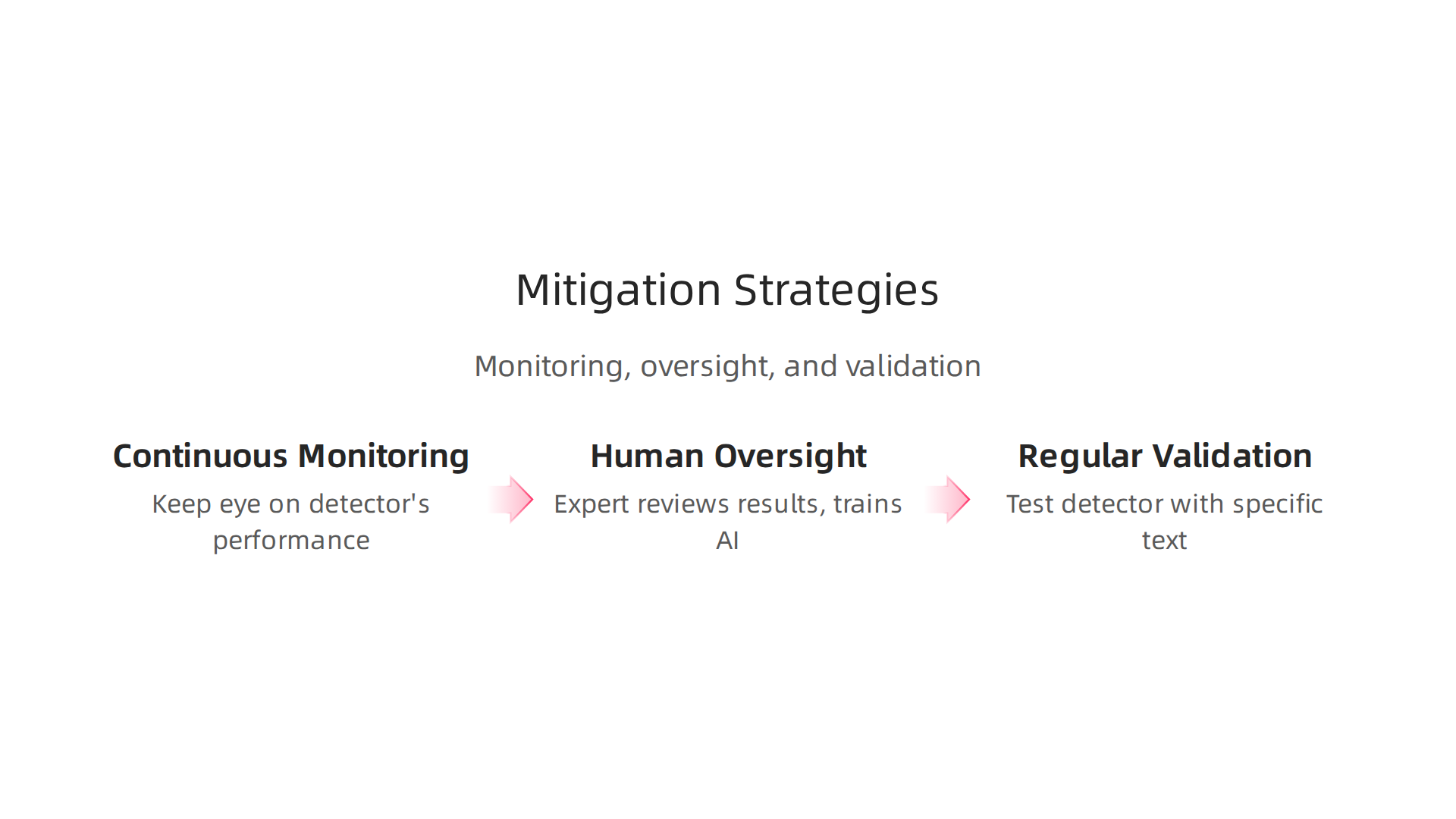
- Continuous Monitoring: Keep an eye on the detector’s performance all the time. If new AI writing styles appear, the detector needs to learn to spot them.
- Human Oversight (Human-in-the-Loop): This is where people work with AI systems. Instead of fully trusting the detector, a human expert reviews results, especially when the detector is unsure. This helps catch mistakes and trains the AI to be better. There are many ways to build these kinds of systems, as explained in resources like How to Build Human-in-the-Loop Oversight for AI Agents.
- Regular Validation: Before you use an AI detector for important tasks, test it with your specific kind of text. Make sure it works well for your needs, not just in general tests. This helps with overall AI Risk Mitigation: Tools and Strategies for 2026.
By understanding these limits and taking steps to fix them, you can choose and use an AI detector more wisely. Staying updated on the latest trends and challenges in AI can also help you in your career. Consider looking into online certifications for software engineering to deepen your knowledge in these areas.
Using an AI detector wisely means more than just knowing its flaws. It means fitting it into your daily work in a smart way. For engineers, this involves clear steps for how to use, check, and keep up with these tools. Even if you want the most accurate AI detector, it still needs careful planning to work well.
Best practices for integrating detectors into engineering workflows
When you bring AI detectors into your work, think about these key steps:
Operational Guidance
- Smart Monitoring: Just like you check other systems, keep an eye on your AI detector. AI itself can help with this. Many businesses are using AI to transform how they monitor machines and systems in 2026, catching problems quickly. You can read more about How AI Is Transforming Machine Monitoring in 2026.
- Set Clear Rules (Thresholds): Decide what counts as a "high risk" detection. For example, you might set a rule that if a detector is 70% sure something is AI-made, a human needs to look at it. This helps stop too many false alarms.
- Human-in-the-Loop Workflows: This means humans and AI work together. When the detector flags something, a person reviews it. This way, humans can check tricky cases and help the system learn. It’s a key part of using AI responsibly, especially in important
field AIapplications. There are good ways to set up these kinds of systems for real-world use AI Human in the Loop: Production Oversight Patterns. In fact, the market for human-in-the-loop AI is growing a lot, showing how important it is Human-in-the-Loop AI Market Research Report 2034. To learn more about how to connect AI with human understanding in your code, you can also check out how to bridge the AI to human gap in your code. - Think About Privacy: AI detectors need to be used carefully so they don’t accidentally share private information. Make sure you know what data the detector uses and how it protects privacy. The International AI Safety Report 2026 talks about important safety considerations for AI.
Checklist for Choosing a Detector for Your Work
When you pick an AI detector for your team, ask these questions:
- Is it easy to integrate? Can you easily connect it to your existing tools and systems? No one wants to spend weeks just trying to make a new tool fit in. When you’re building out an
ai foundry, how smoothly new tools connect is vital. - How fast is it (Latency)? Does it give you results quickly enough for your needs? If you need real-time checks, a slow detector won’t help.
- How much work is it to maintain? Does it need a lot of updates or fixes? You want a tool that helps, not one that adds more work.
By following these best practices, you can make sure your AI detector is a helpful part of your team, not a source of new problems.
To stay on top of daily AI updates and broader technology developments, consider getting The AI Newsletter Worth Reading.
While best practices help you now, the world of AI detection is always changing. Knowing what’s next helps you plan for the future, especially if you want to find the most accurate AI detector possible.

Here’s where things are headed in 2026 and beyond.
Where detection accuracy is headed: future trends and research directions
One of the biggest future trends for AI detection is digital watermarking. Imagine a secret stamp or code hidden inside content that AI makes. This hidden mark helps prove it was made by AI. This idea of putting "AI fingerprints" into content is being explored to make detection better and more reliable Detecting AI fingerprints: A guide to watermarking and beyond.
Actually, some AI laws already require this. For example, the EU AI Act, which became active in early 2025, asks for AI-made content to have special signals like watermarks AI Content Detection in 2026: Trends to Watch. This means that the use of AI watermarking is growing fast. Reports show that the AI watermarking market was already worth about $0.7 billion by the end of 2026 AI Watermarking Market | Global Market Analysis Report – 2036. These digital watermarks will become very important for finding AI-generated content.
Another cool idea is having AI models and detectors work together very closely. Think of it like the AI program that writes an article also helps a special detector look for its own hidden clues. This close teamwork can make the detector much better at its job. It means the detector isn’t just guessing; it’s getting inside information from the AI that created the content.
New rules and laws also play a big part in how AI detection will grow. Across the world, countries are creating new laws for AI AI Regulations around the World – 2026. These rules often say that AI-generated content needs to be clearly marked. This push for clearer rules is changing what developers need to do when they build AI tools and detectors. An important report from 2026 also talks about how these rules help keep AI safe and fair for everyone 2026 Report: Extended Summary for Policymakers. The future of AI detection will likely involve more of these rules, making it easier to tell AI apart from human work The Future of AI Detection: Watermarks, Regulations, and What….
What does all this mean for you in 2026 and the next year? If you’re looking for the most accurate AI detector, you’ll want to watch for tools that use these new watermarking methods. You’ll also want detectors that work well with new AI systems and follow the latest laws. As you work on your ai foundry, consider tools that are ready for these future changes. Staying current with these fast changes is important for anyone in software engineering. To make sure your skills are up-to-date with the latest tech, consider looking into Online Certifications for Software Engineering.
Summary
This article explains why reliably detecting AI-generated content is essential in 2026 and what engineering teams, researchers, and product leaders need to know to choose and use these tools well. It walks through the brief history of detection methods—from early heuristics to modern classifier-based models—then explains how detectors use statistical features like perplexity and burstiness, as well as newer ideas such as watermarking and model fingerprints. The guide also covers how detector performance is measured with benchmarks, why false positives and distribution shifts matter, and how adversarial attacks can undermine detectors. Practical sections show what teams should consider—accuracy versus adaptability, latency, cost, and domain specificity—and offer operational best practices like human-in-the-loop review, continuous monitoring, and validation on your own data. Finally, the article surveys future directions in regulation and watermarking and offers concrete advice for integrating detection into real workflows so you can maintain trust, reduce risk, and pick tools that fit your use case.