
2026 is a super important year if you work in tech or want to get into tech. The world of tech jobs is changing very fast. This means both exciting chances and some new problems for people who build software and lead teams.
One big change is how quickly skills become old or new. What was important last year might be less so this year. For example, knowing things like Rust programming jobs might be more in demand now. Also, Artificial Intelligence (AI) is a huge player. AI is changing many computer science jobs and how we do our work. This shift means people need to learn new things to stay ahead, as AI affects both demand and supply of new skills Bridging Skill Gaps for the Future: New Jobs Creation in the AI Age. Remote work also keeps changing how teams work together and where people can find jobs, with net tech employment expected to grow Tech Job Trends, Job Growth, and Future Opportunities.
For engineers and team leaders, these changes can be a lot to handle. There’s so much information out there. It’s hard to know what is truly important from what is just noise. New tools pop up all the time, making it tough to choose the best ones. People also worry about how much they should be paid and what their career path will look like in the future. The 2026 tech job market report shows many new roles are in high demand 2026 Technology job market: In-demand roles and hiring trends.
Staying updated on these trends is key. For example, an AWS DevOps certification still matters in 2026 to show you have important cloud skills.
To help you sort through all the changes and stay smart about AI’s impact on your career, you’ll need reliable updates.

The AI Newsletter Worth Reading offers clear daily insights.
To understand where the tech jobs are in 2026, we need to look at what kinds of companies are growing fast.

Many different areas in technology are always looking for new talent.
Growing Tech Sectors
Some parts of the tech world are really booming right now. Knowing these can help you find your next great job.
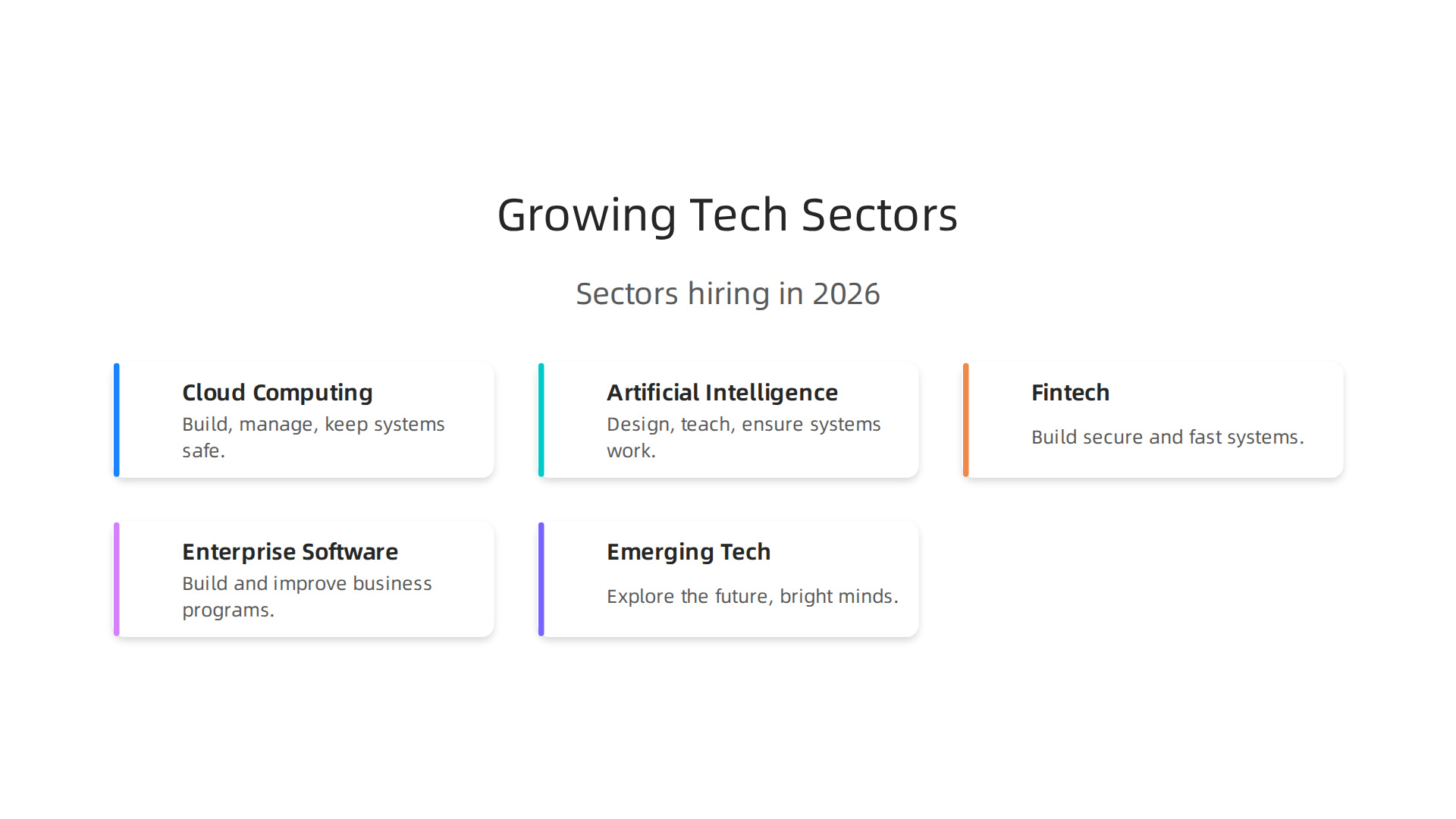
- Cloud Computing: This area is still a big one. More and more companies are putting their work and data on the cloud. This means lots of tech jobs for people who can build, manage, and keep cloud systems safe. Think of jobs related to Amazon Web Services (AWS), Google Cloud, or Microsoft Azure. Skills related to cloud operations are very much needed Your AWS Console Isn’t Enough Anymore: Here’s What You Need for Cloud Operations in 2026.
- Artificial Intelligence (AI): AI is everywhere, and it’s creating many new roles. Companies need smart people to design AI systems, teach them things, and make sure they work well. This includes machine learning engineers and data scientists. The demand for AI skills is very high, changing how many computer science jobs look In-Demand Skills 2026: Key Skills for an AI-Driven Economy – Upwork.

- Fintech: This stands for financial technology. It’s where money and tech meet. Banks and other financial companies are using more software and digital tools. This means more tech jobs for developers who can build secure and fast systems for payments, investments, and banking.
- Enterprise Software: These are the big computer programs that large companies use to run their business. Think of tools for managing customer relationships, tracking sales, or handling operations. There’s a steady need for engineers who can build and improve these kinds of software.
- Emerging Tech: Even newer areas like quantum computing are starting to make waves. While still small, companies in these fields are always looking for bright minds to explore the future Quantum Computing Companies 2026: Public and Private Leaders Compared.
A report from Dice in 2026 shows a strong demand across many of these growing tech areas, highlighting the wide range of available positions 2026 Tech Jobs Report – Dice. Some places even see high demand for specific programming languages, like those seeking people for Rust programming jobs.
Where Are These Jobs Located?
The idea of where work happens has really changed. Remote and hybrid work styles have become very common. This means that many tech jobs are no longer tied to just one big city.
- Remote Work: More companies are happy to hire people who work from home, no matter where that home is. This opens up job chances for people all over the world. So, if you live in a smaller town, you might still find a job with a company in a big tech hub. For example, remote roles in places like India are growing, allowing software engineers to join global teams Remote Jobs in India 2026: A Software Engineers Guide to Landing Global Roles.
- Hybrid Models: Many companies now use a mix of office and home work. Employees might go to the office a few days a week and work from home on others. This gives a good balance for many people.
- Smaller Cities Growing: Because of remote work, smaller cities are seeing more tech growth. People can live in places they like better, while still working for top tech companies. This has shifted where the demand for computer science jobs and other tech roles appears.
In 2026, the world of tech jobs is truly global and flexible. It means more choices for workers, but also a need to stay on top of the most wanted skills in these growing areas.
In 2026, finding the right tech jobs means knowing what skills are most wanted. It’s not just about what companies do, but also what tools and knowledge they need their workers to have. If you want a good career in technology, it’s smart to focus on learning these key areas.

Top Skills for Today’s Engineers
Employers are always looking for people with strong skills in certain areas. Here are some of the most important ones for engineers in 2026:
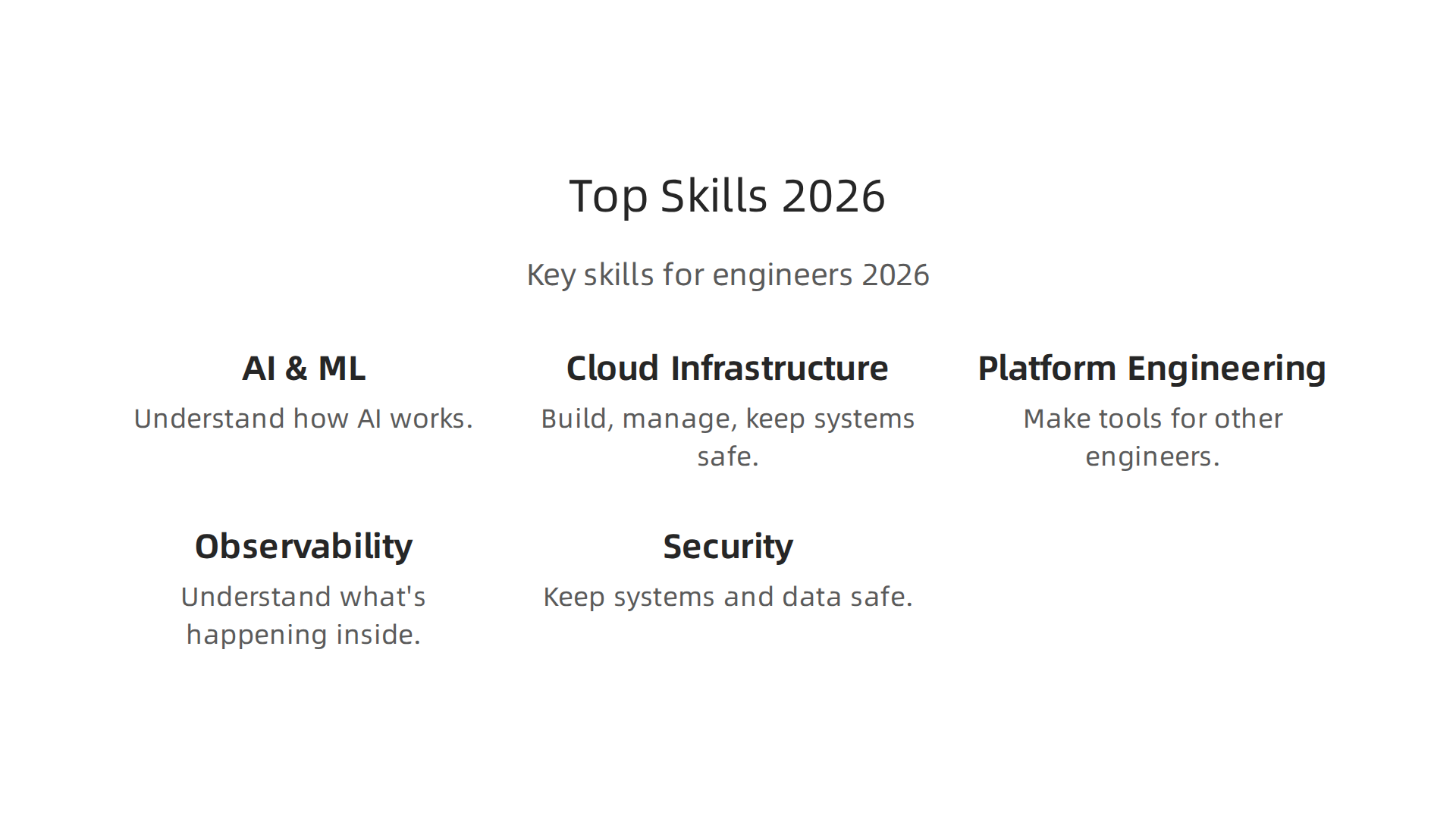
- AI and Machine Learning (ML) Basics: Even if you don’t work directly on AI, understanding how it works is very helpful. Many computer science jobs now touch on AI in some way, like using smart tools to do tasks or analyze data. Knowing the basics of AI and ML can give you a big boost The Most In-Demand Tech Skills for 2026 – ONLC.

- Cloud Infrastructure: More businesses are using cloud services like AWS or Google Cloud. This means there’s a big need for people who can build, manage, and keep these cloud systems safe and running well. Skills in cloud operations are vital. In fact, getting an AWS DevOps Certification Still Matters in 2026: Here is How to Pass can show you have these important skills.
- Platform Engineering: This is about making tools and systems that other engineers use to do their work more easily. It helps teams build and deliver software faster.
- Observability: This skill is about being able to see and understand what’s happening inside a system. If something goes wrong, an engineer with observability skills can quickly find out why and fix it. It’s like having a clear view into all parts of a complex machine.
- Security: Keeping computer systems and data safe from hackers is always a top priority. Every company needs experts who understand how to protect information and prevent cyber attacks. This includes knowing about common threats and how to build secure software. Many top skills for 2026 include cybersecurity to future-proof your career In-Demand Tech Skills for 2026 | Can Code Communities.
Specialist or Generalist?
When planning your career, you might wonder if it’s better to be very good at one specific thing (a specialist) or to know a little about many things (a generalist).
- Specialists dive deep into one area, like being an expert in rust programming jobs or a specific part of AI. They become the go-to person for complex problems in their field. These roles often involve very specific knowledge.
- Generalists have a broader set of skills. They might know enough about cloud, security, and AI to help connect different parts of a project. They are often good at problem-solving across various teams.
Both kinds of roles are valuable in 2026. A specialist might find highly focused tech jobs that pay very well for their unique skills. A generalist might have more options across different kinds of projects and companies. The best path for you depends on what you enjoy and how you like to work. Learning about the Developer Job Market 2026: The Transformation of Skills and Roles can help you decide.
To stay on top of the rapidly changing tech world and gain deeper knowledge, consider subscribing to The AI Newsletter Worth Reading for clear daily updates on AI and other technology developments.
After deciding whether to be a specialist or a generalist in the tech world, the next big question for many is about money. How much can you earn in these various tech jobs? In 2026, understanding salaries, how offers are put together, and how to ask for what you want is very important.
Salaries, compensation structures, and negotiation trends
When you get a job offer for a computer science job or any tech role, it’s not just about the basic salary. Companies in 2026 often offer a mix of money and other benefits. Let’s look at how this works:
- Base Salary: This is the fixed amount of money you get each year. It’s the most common part of any job offer. For instance, the average industry compensation, including salaries, wages, and benefits, was about $218,000 in 2026 for some sectors The 2026 Economic Impact Report.
- Equity (Stock): Many tech companies, especially startups or growing ones, offer you a small ownership share in the company through stock options or shares. If the company does well, your stock could become very valuable. This is a big part of the pay package at these kinds of companies.
- Variable Compensation (Bonuses): This is extra money you can earn based on your performance, your team’s performance, or the company’s success. It might be a yearly bonus, or even smaller, more frequent rewards.
The way these parts are balanced changes a lot based on the company. Big, established companies might offer a higher base salary and smaller stock options. Startups, on the other hand, might offer a lower base salary but a lot more stock, hoping it will grow over time. Understanding these differences helps you pick the right job for your goals. You can find more details in a general Salary Guide – LHH from 2026.
How Location and Remote Work Affect Your Pay
Where you live, and whether you work from home, can also change your salary a lot. Companies often pay more in big cities where the cost of living is high. If you work remotely, your pay might be based on where the company is located, or where you live. For people looking for flexibility, there are many Remote Jobs In India 2026 A Software Engineers Guide To Landing Global Roles, which shows how location can open up new pay opportunities.
Tips for Negotiating Your Offer
Don’t be afraid to negotiate your job offer. It’s common in the tech industry.
ional negotiation, illustrating the importance of discussing salaries and compensation structures in tech roles.](https://softwareengineeringnewstoday.com/wp-content/uploads/2026/06/weblish-inline-46039.jpg)
Here are some simple tips for 2026:
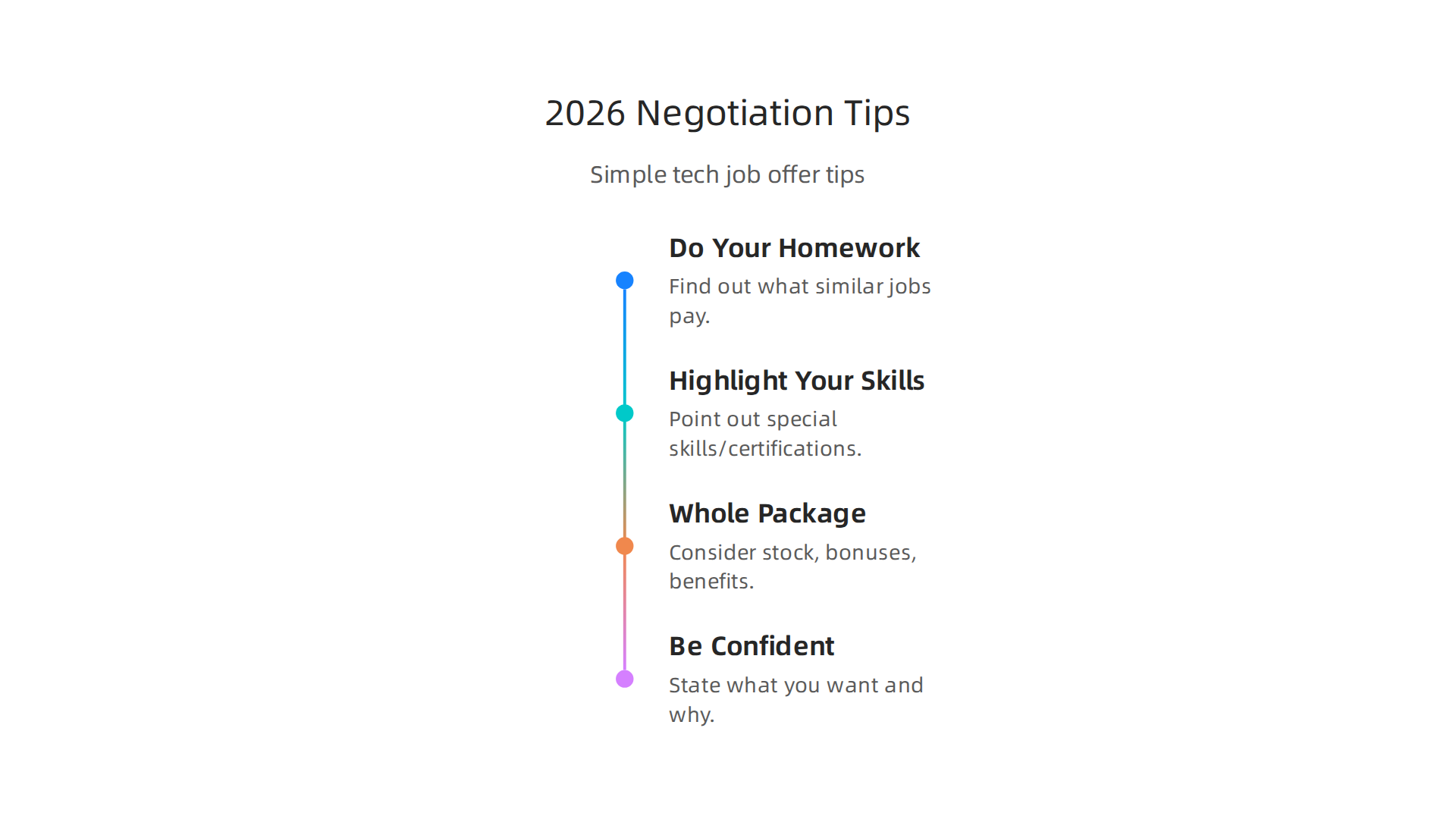
- Do Your Homework: Find out what similar tech jobs are paying in your area and for your skill level. Websites and reports on compensation trends can help.
- Highlight Your Skills: If you have special skills, like knowing rust programming jobs inside and out, or certifications like an Online Certifications For Software Engineering Keep You Ahead In 2026, make sure to point them out. These can be strong reasons for a higher salary.
- Look at the Whole Package: Don’t just focus on the base salary. Think about the stock, bonuses, health benefits, and even vacation time. A good overall package might be better than a slightly higher base salary.
- Be Clear and Confident: Clearly state what you are looking for and why you deserve it. Companies expect you to negotiate, so asking for more shows you know your worth.
Understanding these parts of compensation helps you make smarter choices about your career in tech jobs and ensures you are fairly rewarded for your skills.
Understanding these parts of compensation helps you make smarter choices about your career in tech jobs and ensures you are fairly rewarded for your skills. But as you plan your career, it’s also important to see how new technologies are changing what many tech jobs look like.
AI, automation, and tooling: effects on productivity and role design
Artificial Intelligence (AI) and automation are changing the tech world very quickly in 2026. These new tools are making a big difference in how developers work every day. They also change the types of skills needed for many computer science jobs and other tech roles.
How AI tools are changing developer work
AI tools and automation patterns are reshaping how developers get things done. Many developers are now using AI assistants to help them write code.
This can make them faster and more efficient. In fact, most developers are either using or planning to use AI tools in 2026. Reports show that around 84% of developers are going this route AI Coding Assistant Stats 2026: 84% Adoption, 29% Trust.
These tools can do a lot:
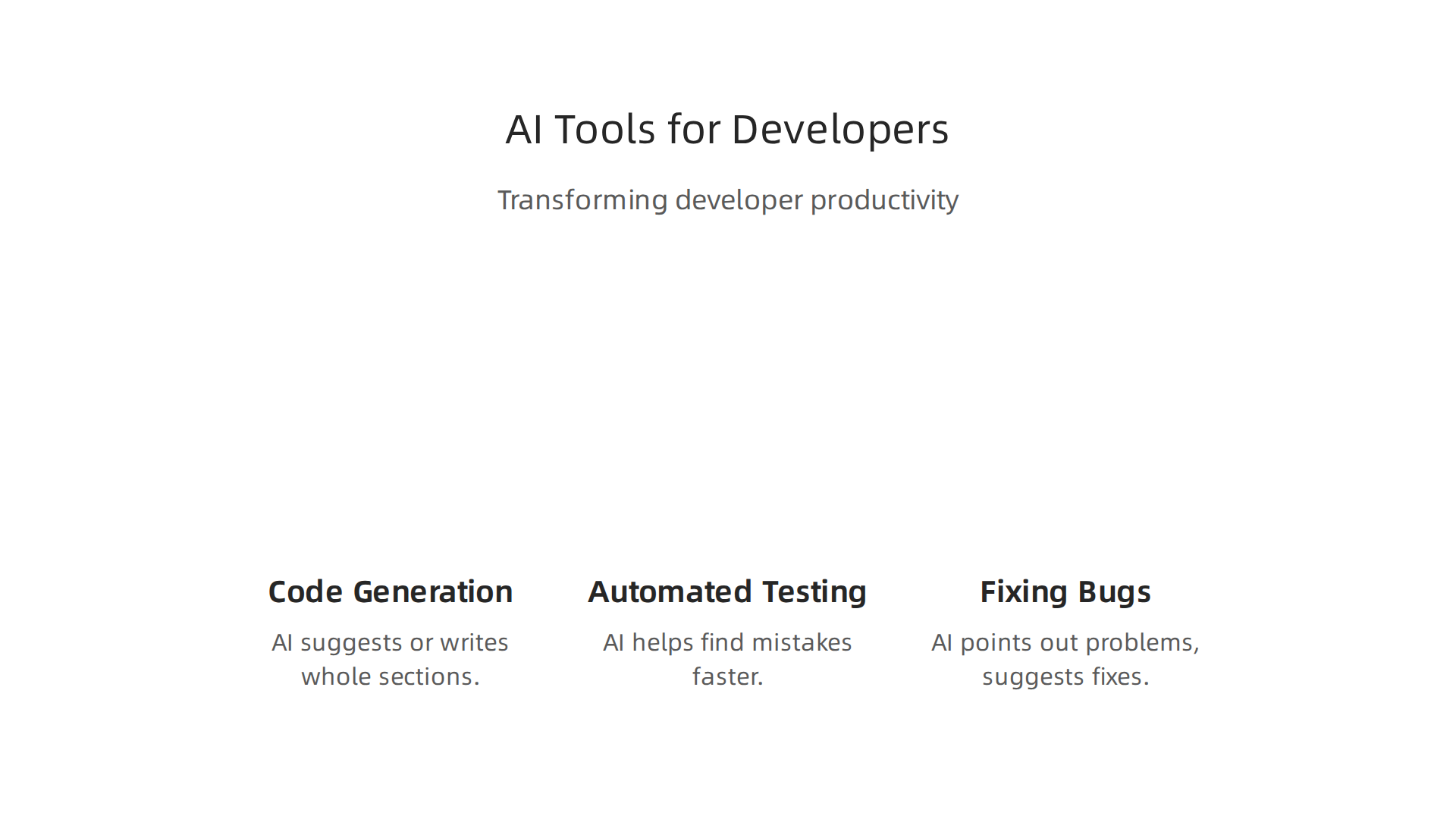
- Code Generation: AI can suggest code or even write whole sections for you. This means less time spent on simple tasks. Some studies show that writing code can be 25-30% faster with AI help Software Development Trends 2026: Enterprise Technology.
- Automated Testing: AI can help find mistakes in code faster than before. Automated testing can see productivity gains of 35-40% Software Development Trends 2026: Enterprise Technology.
- Fixing Bugs: AI can sometimes point out where problems are and even suggest ways to fix them.
While many see big gains, the picture isn’t always simple. Some early studies found that AI might make tasks take longer, but newer studies from 2026 show that the effects can vary, sometimes even leading to a small slowdown, depending on how the tools are used Developer Productivity Experiment Design Update. Other benchmarks show varied impacts on productivity AI Coding Productivity: 2026 Benchmarks Show Real Impact. The key is learning how to work with the AI tools effectively.
New roles and how companies measure impact
Because of AI, many tech jobs are changing. Some roles are even being redefined. We are seeing more "ML-enabled developers" who know how to use machine learning tools directly in their work. There’s also a growing need for "prompt engineering," which means knowing how to ask AI the right questions to get the best answers or code. If you’re interested in learning more, you can explore Top No-Code Machine Learning Platforms and Prompt Engineering Tips for 2026. Even in areas like DevOps, where people manage how software is built and released, AI is bringing new "AI ops" practices.
Companies are also spending more money on AI tools in 2026, and they want to make sure these investments are worth it 2026 AI Tooling Budgets. They are looking closely at how AI affects developer productivity to measure its real impact Developer Productivity Benchmarks 2026 | AI-Native Engineering Data. This means that understanding and adapting to AI is becoming a vital part of many tech jobs, whether you’re working with rust programming jobs or focusing on an AWS DevOps Certification Still Matters in 2026.
The truth about developer productivity with AI is a topic many are talking about, as you can see in this video: The Truth About Developer Productivity in the AI Age (IT’S A TRAP). The way forward involves learning how to make the most of AI while still bringing your unique human skills to the table. These changes mean that the entire Developer Job Market 2026: Transformation of Skills and Roles is seeing big shifts.
To keep up with all the fast changes in AI and tech, staying informed is key. Get clear daily AI updates from The AI Newsletter Worth Reading.
The new skills needed in tech are also changing how companies hire people. In 2026, many tech jobs offer more flexible ways of working. Companies are thinking differently about how to build their teams, choosing between full-time staff, contract workers, and a mix of both.
Remote and hybrid work are common for tech jobs
The way we work has changed a lot. Fully remote jobs are less common than they were a few years ago, but still a big part of the picture. About 25-30% of all developer jobs in 2026 are remote, which is a good amount even if it is down from its peak The Complete Remote Job Search Strategy for Developers in 2026. Many companies are now choosing "hybrid-first" teams, meaning people come to the office sometimes and work from home other times The 2026 Tech Job Market Outlook: Important Trends and Roles to …. This mix offers flexibility while still allowing teams to connect in person.
Full-time, contract, or gig: What’s best for tech jobs?
Companies have several options when hiring for computer science jobs and other tech roles:
-
Full-Time Hiring: This is when someone works for the company all the time. It brings stability and helps build a strong company culture. Full-time employees often have a deep understanding of the company’s goals and systems. This is great for core tech jobs that need long-term commitment and growth within the company.
-
Global Contracting: Companies can hire contractors from all over the world. This lets them find skilled people, sometimes at a lower cost, and access a much wider talent pool. For example, many software engineers look for Remote Jobs In India 2026. This model is good for specific projects or when a company needs a skill for a certain time.
-
Specialized Contractor Marketplaces: These are platforms where companies can find people with very specific skills for short-term tasks. For example, if a project needs someone good at rust programming jobs or a temporary expert with an AWS DevOps Certification Still Matters in 2026, these marketplaces can quickly connect them.
There are trade-offs with each choice. Full-time staff offer loyalty and consistency, but contractors offer flexibility and specialized knowledge without a long-term commitment. In fact, reports from early 2026 show that contract roles are growing faster than permanent jobs in the first half of the year Salary and Market Trends Report 2026. Companies must weigh these factors to build the best teams.
How managers build strong teams with different workers
For managers, bringing together different types of workers into one reliable team is a key job in 2026. Here’s what helps:
- Clear Goals: Make sure everyone, whether full-time or contract, knows exactly what they need to do and what success looks like.
- Good Communication: This is super important. Regular check-ins and easy ways to talk to each other help everyone stay on the same page, especially in remote or hybrid setups.
- Team Integration: Help contractors feel like a part of the team, even if they are not permanent. This can mean including them in team meetings or social events when appropriate.
- Skill Growth: Encourage everyone to keep learning new things. Offering access to training can help Unlock Tech Career Growth With Computer Certification Courses In 2026, making the whole team stronger.
- Smart Management Tools: Using the right tools and ways of working, like those discussed in Context Engineering the 2026 Guide for Agile and DevOps Teams, helps managers keep diverse teams working well together.
By being thoughtful about hiring models and how teams are managed, companies can build strong, adaptable workforces ready for the changing world of tech jobs.
The world of tech jobs is always moving forward. Because of this, it’s super important for people in these roles to keep learning new things. For companies to stay strong and for workers to grow, everyone needs to think about how to get better skills. This is called upskilling.
Why Upskilling is a Must in 2026
Technology changes fast. New tools and ways of working appear all the time. For example, Artificial Intelligence (AI) is changing a lot about computer science jobs. It’s so important that many workers will need to learn new AI skills by 2027 to stay relevant AI Upskilling 2026: Stay Relevant as 80% Must Retrain. If you work in tech, keeping your skills fresh means you can do your job better and find new chances. It helps you stay ahead in the busy tech jobs market.
How Companies Help Workers Grow
Smart companies know that helping their employees learn is a good investment. Here are some ways they do it:
- Internal Rotations: This means a worker might switch to a different team for a short time. They learn new skills and see other parts of the company. It’s like getting a mini-internship inside your own job.
- Mentorship Programs: Experienced workers help newer ones. They share their knowledge and guide others. This is a great way to learn tricks of the trade and get advice.
- Paid Training and Certifications: Companies often pay for classes or special tests that give you a certificate. This could be for a new programming language like for rust programming jobs or a special skill like getting an online certifications for software engineering keep you ahead in 2026. These courses teach important, up-to-date skills.
Companies also measure how well these training programs work. They look at things like if productivity goes up or if teams are more efficient. Studies show that good training can make workers more productive and even boost profits for the company Corporate Training & Enterprise Learning 2026: Trends, ROI …. This shows that learning isn’t just nice to have; it’s truly valuable.
How Engineers Can Stay Ahead
For engineers, taking charge of your own learning is key. Here are some tips:
- Know What’s Next: Keep an eye on new trends, especially in areas like AI and cloud computing. Understanding the developer job market 2026 the transformation of skills and roles can help you pick what to learn.
- Set Learning Goals: Decide what new skills you want to gain each year. Maybe it’s learning a new software tool or getting an AWS DevOps Certification.
- Practice, Practice, Practice: Use your new skills on personal projects or at work. The more you use them, the better you get.
- Seek Feedback: Ask your managers and teammates how you can improve.
- Stay Curious: Always be open to learning. This mindset will help you find more chances for career growth.
Staying updated on the latest AI and tech developments can feel like a lot. It’s important to find clear and easy-to-understand information. If you want to keep up with what’s new in AI and other tech trends every day, you might find something like this helpful: The AI Newsletter Worth Reading. By actively learning and growing, you make yourself more valuable in the evolving world of tech jobs.
Summary
The article outlines how 2026 is a pivotal year for tech careers, driven by rapid changes in skills demand, AI adoption, cloud growth, and shifting work models. It surveys the fastest-growing sectors—cloud, AI/ML, fintech, enterprise software, and emerging fields like quantum—and explains how remote and hybrid work have broadened hiring geography. The piece highlights the top skills employers want (AI basics, cloud infrastructure, platform engineering, observability, and security), discusses whether to specialize or generalize, and breaks down modern compensation packages including base pay, equity, and bonuses. It also explains how AI and automation are changing developer workflows and role design, how companies hire via full-time or contract models, and practical ways managers integrate mixed teams. Finally, the article emphasizes the importance of continuous upskilling, certifications, and choosing the right learning paths to stay competitive in the 2026 tech job market.