

Introduction
Technology moves fast. Faster than ever, actually. If you work in IT, you already feel it. New tools appear every week. Old skills fade faster than they used to. And the people who keep learning? They are the ones who get ahead.
That is where certification comes in.
Getting certified shows employers you know your stuff. It proves you can work with modern tools and platforms. It opens doors to better jobs, higher pay, and more interesting projects. But here is the problem: there are so many it certification courses out there. How do you pick the right one?
Cloud certifications. Security credentials. Developer badges. Vendor-specific paths. Generalist programs. The list goes on and on. It is easy to feel lost.

This guide cuts through the noise. We have looked at the options, talked to hiring managers, and studied what actually helps engineers grow in 2026. Whether you are eyeing aws cloud quest: cloud practitioner to get started with cloud computing or browsing coursera online courses for a structured learning path, we cover it all. We even look at cmu courses for those who want university-level depth and the best certifications for software engineers that actually impress recruiters.
The goal is simple: help you find a certification path that fits your career, your timeline, and your budget. No fluff. No ads disguised as advice. Just practical guidance from people who have been there.
Ready to level up? Let us start with the basics.
Actually, before we dive in, let me share something useful. If you want to stay ahead of the curve every single day, I recommend The AI Newsletter Worth Reading.

It gives you clear, daily AI updates that help you make smarter decisions about what to learn next. Think of it as your cheat sheet for the future of tech.
Why IT Certifications Matter in 2026
Let’s get real about why certifications matter right now. The tech landscape is shifting faster than most of us can keep up with.
AI tools are changing how we code. Cloud platforms are becoming the standard. Cybersecurity threats are evolving daily. In this environment, having a certification on your resume is not just a nice-to-have. It’s a signal.
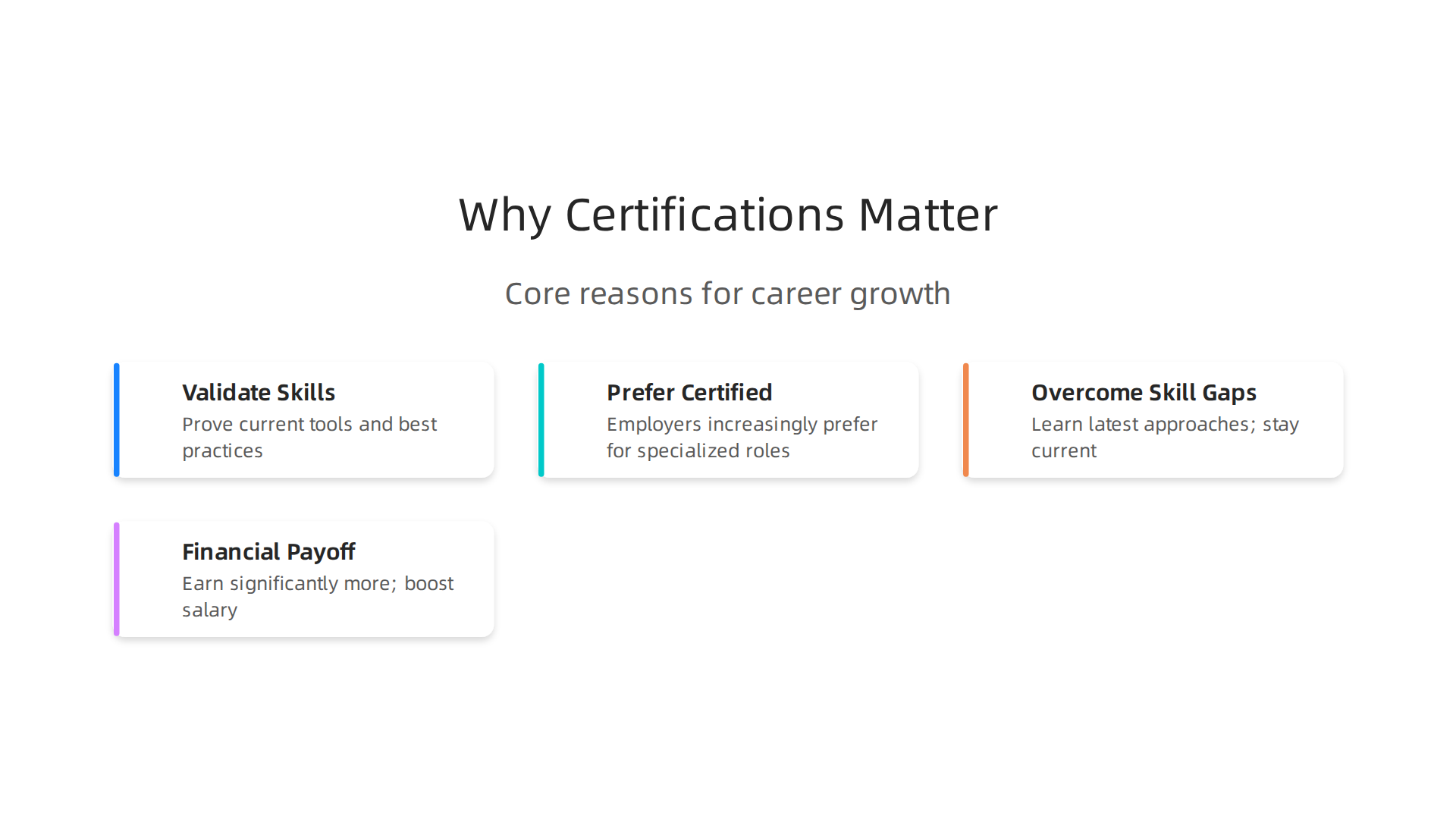
Certifications validate skills in a fast-changing market. When you pass a certification exam, you prove that you can work with current tools and best practices. Employers don’t have to guess. They see a credential backed by a trusted vendor or institution. According to the 2026 Tech and IT Salaries and Compensation Trends from Robert Half, 87% of technology leaders offer higher pay to candidates with specialized skills.
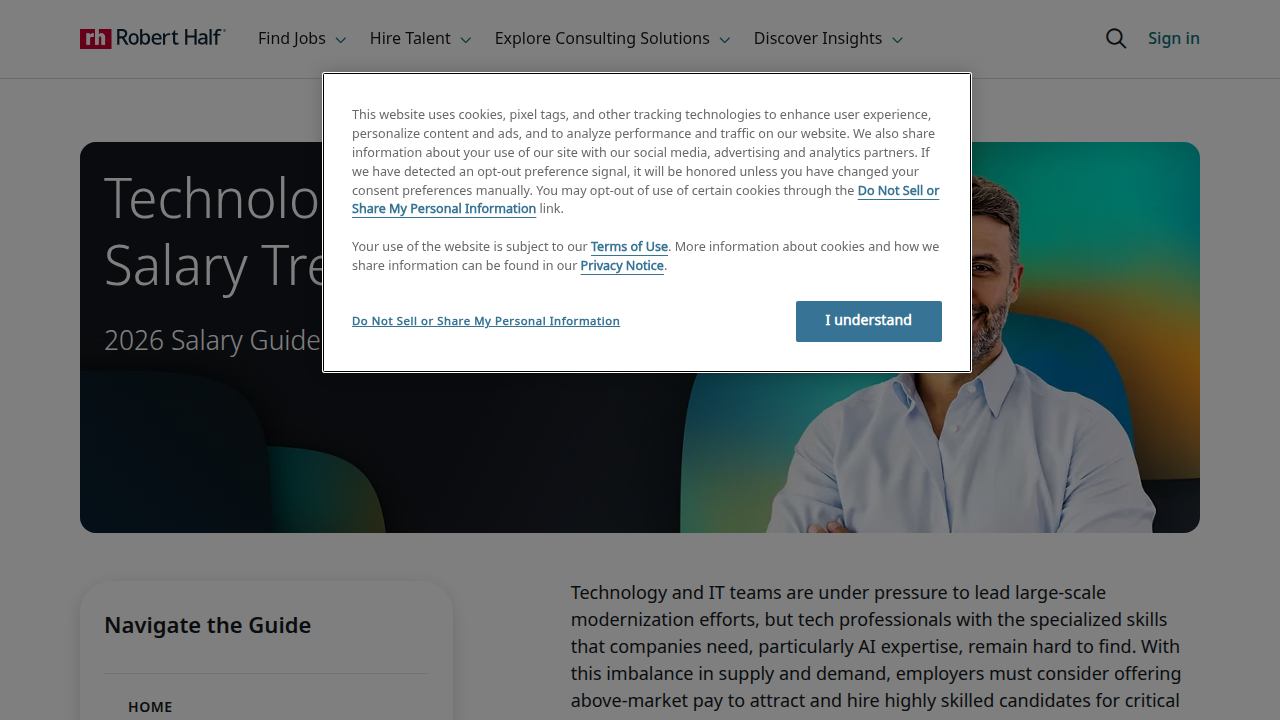
Certifications are one of the most direct ways to show those skills.
Employers increasingly prefer certified candidates for specialized roles. Whether you start with aws cloud quest: cloud practitioner to get your foot in the cloud door or pursue higher-level credentials, certified professionals stand out. The global certification market is growing fast. The Management System Certification Market Report 2026 valued the market at $34.65 billion in 2026, with strong growth expected. That growth reflects how much companies rely on certified talent.
Certifications help professionals overcome skill gaps and technical obsolescence. New technologies like AI, edge computing, and automation are making older skills less valuable. Certifications force you to learn the latest approaches. They keep your knowledge fresh. Many professionals use coursera online courses to study for exams, while others prefer university programs like cmu courses for deeper theory. Either way, the goal is to stay current.
The financial payoff is also real. According to the Highest-Paying IT Certifications 2026 report, certified cloud security professionals earn an average salary of $203,597.
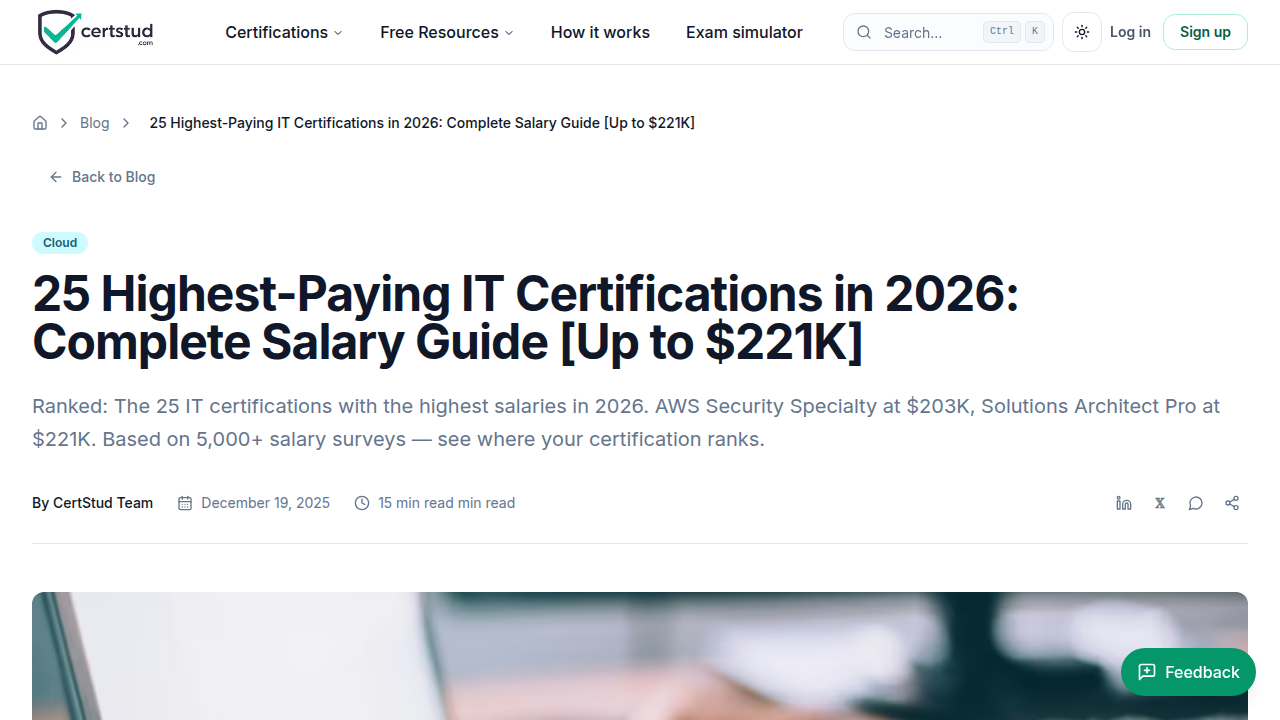
That is a 22% increase year over year. Even entry-level certifications can boost your starting salary significantly, often recouping exam costs within months.
When recruiters search for talent, they filter by the best certifications for software engineers. Choosing from the many it certification courses available can feel overwhelming, but understanding why they matter helps narrow the field.
If you are ready to explore your options, check out our guide on computer certification courses in 2026 that breaks down the most valuable paths.
Now let’s look at the different types of certifications and how to pick the right one for your career.
Top Cloud Certification Programs
Cloud certifications are the most in-demand category in the entire IT certification space right now. As more companies move their workloads to the cloud, professionals who hold these credentials get hired faster and earn higher salaries. The three major platforms are AWS, Microsoft Azure, and Google Cloud Platform, and each offers a unique certification path.
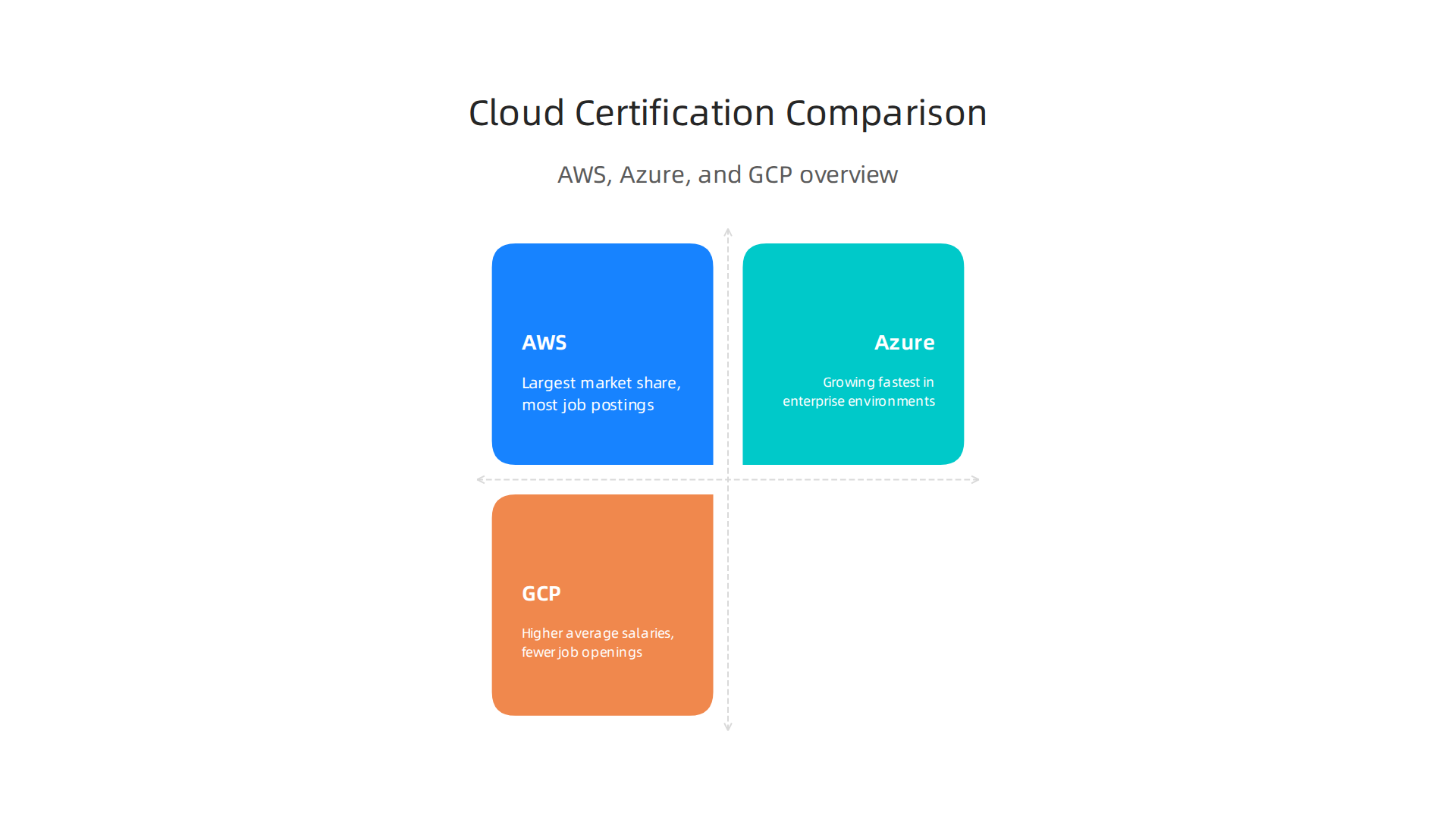
AWS holds the largest market share and the most job postings. Their AWS Certified Cloud Practitioner is a great starting point for beginners, and the AWS Solutions Architect Associate is one of the most respected certifications in the industry. Azure is growing fastest in enterprise environments, especially where Microsoft tools like Office 365 are already in use. Google Cloud Platform tends to pay slightly higher average salaries, but it has fewer job openings overall. According to a detailed AWS vs Azure vs GCP Certifications comparison 2026, AWS has over 180,000 job postings, while Azure shows the fastest growth at 20%.
Choosing the right cloud certification depends on your current tech stack and career goals. If you work at a startup or in a fast-moving company, AWS is often the natural fit. If your organization runs on Microsoft products, Azure will align better. For data analytics or machine learning roles, GCP is a strong contender. No matter which path you pick, these certifications directly boost your market value.
To round out your cloud knowledge with other essential skills, read our guide on software developer skills for 2026.
AWS Certifications: The Market Leader
AWS holds the largest slice of the cloud market, and its certifications are the most sought after in 2026. When you compare IT certification courses, AWS stands out for both job opportunities and salary potential. The AWS Certified Solutions Architect – Professional is the gold standard for cloud architects. A 2026 guide on the most valuable credentials shows the Associate version alone can lead to average salaries over $168,000 per year.
AWS covers many specializations beyond architecture. You can get certified in security, machine learning, data analytics, and DevOps. This range means you can tailor your certifications to your career goals. For example, the AWS Certified Developer – Associate is perfect for application-focused roles. If you are new, the AWS Cloud Practitioner gives you a solid foundation.
Study resources are everywhere. AWS Skill Builder offers free labs and practice exams. Community forums like Reddit and LinkedIn groups share tips daily. You do not have to study alone. With so much help available, passing even tough professional exams is realistic.
For more on how AWS certifications fit into the broader tech landscape, read our piece on best computer courses 2026 for software engineers.
Azure Certifications: Microsoft’s Growing Ecosystem
Now let’s talk about Azure. If you work in a company that uses Microsoft tools like Office 365 or Active Directory, Azure certifications are your best bet. They fit naturally into these environments, which is why many large corporations, banks, and government agencies prefer Azure over AWS.
The two key credentials to know are the Azure Administrator Associate and the Azure Solutions Architect Expert. Both are role-based, meaning they test real-world job skills rather than just theory. A detailed comparison of which cloud certification to choose in 2026 shows that Azure dominates the enterprise segment while AWS leads in startups.
Azure job postings grew 20% in 2026, the fastest rate among the big three cloud platforms. For developers already familiar with Microsoft’s ecosystem, Azure certifications require less ramp-up time. The exams are practical and focus on tasks you would handle daily as a cloud administrator or architect.
If you are exploring it certification courses and want a path that aligns with corporate IT environments, Azure is a smart move. To learn more about how these credentials fit into broader career planning, read our guide on computer certification courses to unlock career growth.
GCP Certifications: Niche but Powerful
Google Cloud Platform may hold a smaller slice of the cloud market, but it shines in specific areas. If your work touches data engineering, machine learning, or Kubernetes, GCP certifications deserve serious attention. According to a detailed breakdown of cloud certifications that can transform your career, the Google Professional Cloud Architect is one of the highest-paying and most respected credentials in the entire cloud space.
Two certifications lead the pack. The Professional Cloud Architect validates your ability to design and plan cloud architectures. The Professional Data Engineer focuses on building data pipelines and ML models. Both require hands-on lab work during preparation, which raises the difficulty level. But that practical focus means employers trust these certs more.
GCP exams are generally considered harder than equivalent AWS or Azure tests. The pass rates at expert level can be as low as 40-50%, similar to other platforms. However, the average salary for GCP certified professionals often exceeds $140,000, making the effort worthwhile.
When exploring it certification courses and planning your next credential, think about where you want to specialize. If data and analytics are your focus, GCP is a smart bet. To see how this fits into your broader skill set, read our guide on Google courses for advancing your tech career.
Vendor-Neutral Certifications to Consider
Not every certification locks you into one platform. Vendor-neutral credentials prove you understand the fundamental ideas that apply everywhere.
For anyone looking at it certification courses, these options give you flexibility and wide recognition.
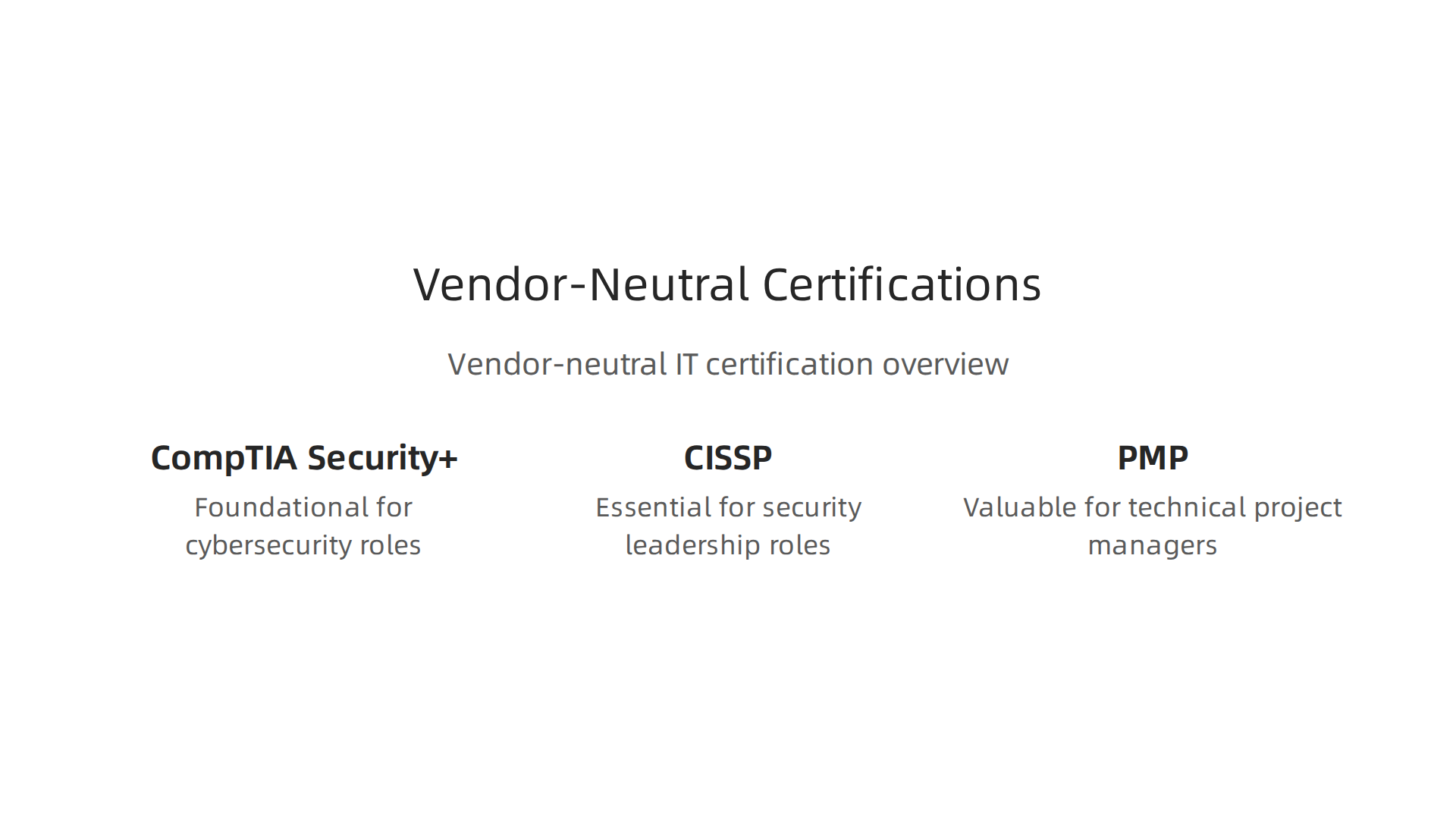
CompTIA Security+ and Network+ remain foundational. They are often the first certifications employers want, especially for IT support and entry-level cybersecurity roles. Security+ offers a strong return on investment. A CompTIA Security+ ROI analysis shows that the total cost is around $500 to $700, and certified professionals earn $15,000 to $20,000 more per year. That means the certification pays for itself within the first month of a raise. These credentials also qualify you for government jobs that require DoD 8570 compliance.
CISSP is essential for security leadership. If you have experience in cybersecurity and want to move into management, the Certified Information Systems Security Professional credential from ISC2 is the gold standard. According to a 2026 CISSP salary guide, median earnings in the United States range from $130,000 to $170,000. Earning a CISSP also opens doors to senior roles like security architect or CISO.
PMP is valuable for technical project managers. The Project Management Professional certification from PMI carries strong weight in technology organizations. It validates your ability to lead projects, manage budgets, and coordinate teams. For software engineers moving into leadership, the PMP can unlock roles like technical project manager or engineering manager.
These vendor-neutral certifications work well alongside cloud-specific ones. They build a complete picture of your abilities. To see how all the options come together, read our guide on computer certification courses in 2026. It covers both vendor-neutral and platform-specific paths.
How to Choose the Right Certification Path
With so many certifications out there, it is easy to feel overwhelmed. Should you go for a generalist credential like Security+ first, or jump straight into a specialized cloud certification?
The answer depends on your career goals, your current skill gaps, and what employers are actually hiring for.
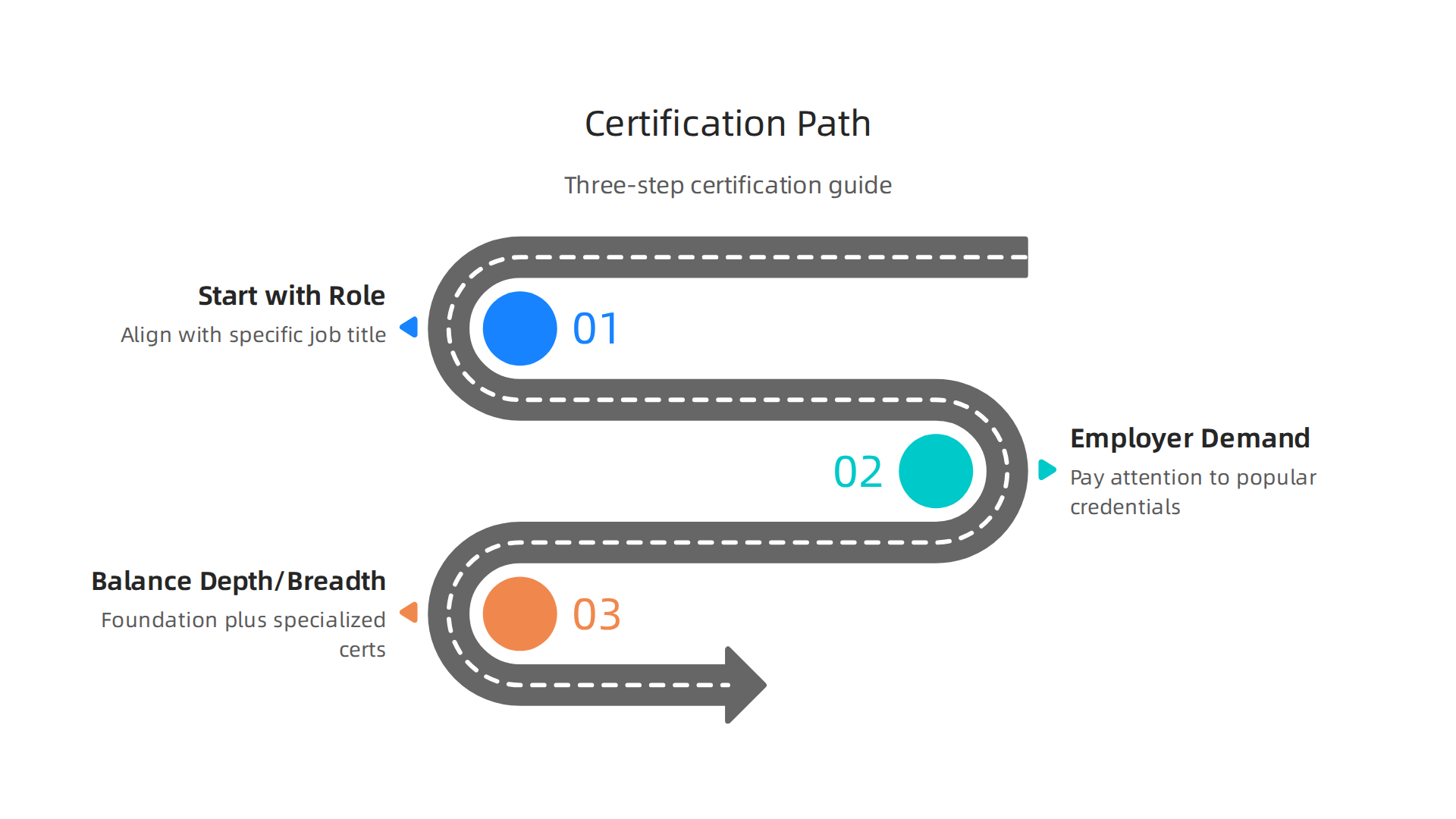
Start with the role you want next. If you are aiming for a security analyst position, an entry-level vendor-neutral cert like CompTIA Security+ makes sense. If you want to become a cloud architect, look at AWS or Azure associate certifications. Align each credential with a specific job title, not just a technology stack. This way your study time directly supports your next career move.
Pay attention to employer demand. Some certifications open many more doors than others. The most popular credentials in 2026 include Security+, CISSP, and AWS Solutions Architect, based on hiring data. You can review the full breakdown of the Most In-Demand IT Certifications 2026 to see which ones recruiters actually request. Picking a certification that appears in hundreds of thousands of job postings gives you a much better return on your effort.
Balance depth and breadth. It can be tempting to collect many entry-level certs, but that rarely helps. Instead, start with one broad foundation certification, then layer on one or two specialized ones that match your chosen path. For example, combine Security+ with a cloud security cert like CCSP if you want to work in cloud security. Avoid the trap of gathering too many certifications without focus. The goal is depth in a few areas, not a long list of shallow credentials.
To stay ahead of industry shifts and know which certifications will be valuable next, it helps to keep a pulse on technology trends. That is why many professionals rely on daily briefings. Get clear daily AI updates from The AI Newsletter Worth Reading to make smarter decisions about your learning path.
For more detail on how certifications tie into overall career growth, read our guide on tech jobs in 2026. It connects the dots between certifications, skills, and salary potential.
Preparing for Certification Exams: Strategies and Resources
Picking the right certification is only half the battle. The other half is actually passing the exam. Many people buy a stack of books, watch a few videos, and hope for the best. That rarely works. The people who pass on their first try use a smarter system. They rely on hands-on practice, diagnostic tests, and a realistic study schedule.

Hands-on labs make the difference. Reading about cloud services or security concepts is not the same as working with them. If you are studying for a cloud certification like AWS, set up a free account and build real resources. AWS Cloud Quest: Cloud Practitioner is a gamified way to learn by doing. For security exams, spin up virtual machines and practice configuring firewalls. The repetition of actually doing the work builds muscle memory. A solid preparation approach starts with the official exam objectives and turns each one into a lab task. You can see a full breakdown of this method in the article on blueprint-first prep for IT certification exams. It explains why labs and practice tests beat passive study.
Practice tests are for diagnosis, not memorization. Buy or find a quality practice exam bank. Take one test early in your study to see where you stand. Then, review every question, even the ones you got right. Understand why the correct answer is correct and why the distractors are wrong. Focus your next study sessions on the weak domains the test reveals. Avoid the trap of memorizing question patterns. The goal is to understand concepts deeply so you can apply them during the real exam.
Build a realistic study plan. Block out one to two focused hours each day and a longer session on weekends. Consistency beats cramming every time. Use your calendar to schedule exam day first, then work backward. Many platforms offer structured materials to help you stay on track. Coursera online courses provide guided paths for certifications like Google Cloud and AWS. CMU courses also offer free computer science foundations that can strengthen your underlying knowledge before a specialized exam. For a list of top choices, check out our guide to the best certifications for software engineers that can accelerate your career.
Remember: one official guide, one strong course, one lab routine, and one ethical practice-exam source are enough. Quality over quantity. Stick with your plan, and you will walk into the exam room ready.
The ROI of IT Certifications: Career Advancement and Salary Impact
You have put in the study time, passed the exam, and earned that badge. Now what? The payoff is real.

IT certifications do more than look good on a resume. They change your earning power and your career path.
Certified professionals earn significantly more. According to salary data from CertStud, the highest-paying IT certifications in 2026 include AWS Certified Security Specialty at $203,597, Google Cloud Professional Cloud Architect at $190,204, and CISSP at $168,060. Compare that to the average IT salary without certification, and the difference is clear. Robert Half’s 2026 salary guide confirms that 87% of tech leaders pay more for candidates with specialized certifications. That extra 10 to 20 percent adds up fast.
Certifications open doors to senior roles. Employers look for proof that you can handle complex work. A certification like AWS Solutions Architect Professional or CCNP Security signals that you have deep knowledge, not just surface-level skills. Many companies list certifications as a requirement for senior engineer, architect, and management positions. Without the cert, you may not even get an interview. With it, you move to the front of the line.
ROI depends on your choices. Not every certification pays the same. The return varies by provider, role, and location. For example, cloud and security certifications tend to offer the highest salary bumps, especially in tech hubs like Seattle, San Francisco, and New York. Entry-level certs like CompTIA Security+ provide a great starting point but offer a smaller jump. The key is to match your certification to the job market you want to enter. Our guide on tech career growth with certification courses breaks down which credentials give you the best return for your time and money.
The takeaway is simple: invest in the right certification, and the salary increase often covers the exam and prep costs within the first year. Some certs, like CISSP at $749 exam fee, can pay back ten times that in your first raise. To keep your edge and stay ahead of industry shifts, get clear daily AI updates from The Deep View Newsletter. It helps you track how new technologies are changing the value of your certifications.
Summary
This guide explains why IT certifications still matter in 2026 and shows how to pick the right path for your career, timeline, and budget. It breaks down the most in‑demand cloud credentials from AWS, Azure, and Google Cloud, explains vendor‑neutral options like CompTIA and CISSP, and gives practical advice on aligning certs with job roles. You’ll learn a clear method for preparing and passing exams—hands‑on labs, diagnostic practice tests, and a realistic study plan—and how to stack vendor and vendor‑neutral credentials for maximum impact. The article also covers the real financial return of certs, hiring demand trends, and which choices typically boost salaries and open senior roles. Read it to decide which certification to pursue next and how to prepare so your time and money pay off quickly.