Introduction
The web development job market in 2026 is a mix of opportunity and tough competition.

On one hand, the digital economy keeps expanding. Every business needs an online presence. On the other hand, more people than ever are trying to break into tech. So how do you stand out?
The truth is, [web development jobs are projected to grow by 23% by 2026
](https://www.linkedin.com/posts/nhnigeria_build-job-ready-tech-skills-with-new-horizons-activity-7422287103515963392-Ofgz). Companies across healthcare, education, finance, and retail are all hiring developers. The demand for skilled builders who understand both frontend and backend work is real. But here is the thing. Many of those open roles go to people who have real experience, not just a certificate or a bootcamp badge. Employers want proof that you can ship code in a team environment.
That is where a web developer internship changes everything.
Internships remain the most effective entry point for building a career in modern web development. They give you hands-on work with real codebases. They introduce you to professional workflows like Git, code reviews, and agile sprints. And most importantly, they give hiring managers a reason to trust you. A strong internship on your resume tells employers you can handle the pressure of a real engineering team. If you are aiming for top companies, reviewing a Notion software engineer internship guide can help you understand what the interview process and application timeline look like at major tech firms.
This article lays out a step-by-step plan curated from industry experts and real-world hiring data. You will learn exactly what skills to build first, where to find internship opportunities that are actually worth applying to, and how to turn a short internship into a long-term career as a systems developer or a full-time software engineer. Along the way, we will look at real examples, common mistakes, and proven strategies that work in the 2026 market.
And if you want to keep up with how AI is reshaping the daily work of every computer software engineer, The AI Newsletter Worth Reading delivers clear daily updates straight to your inbox. Staying informed about the latest tools and trends is one small habit that separates successful developers from the rest.
Let’s get into it.
1. Understand the Modern Web Developer Role
Before you start applying for a web developer internship, you need a clear picture of what companies actually expect in 2026. The days of being hired just because you know some HTML and CSS are long gone. The modern web developer is expected to wear multiple hats.
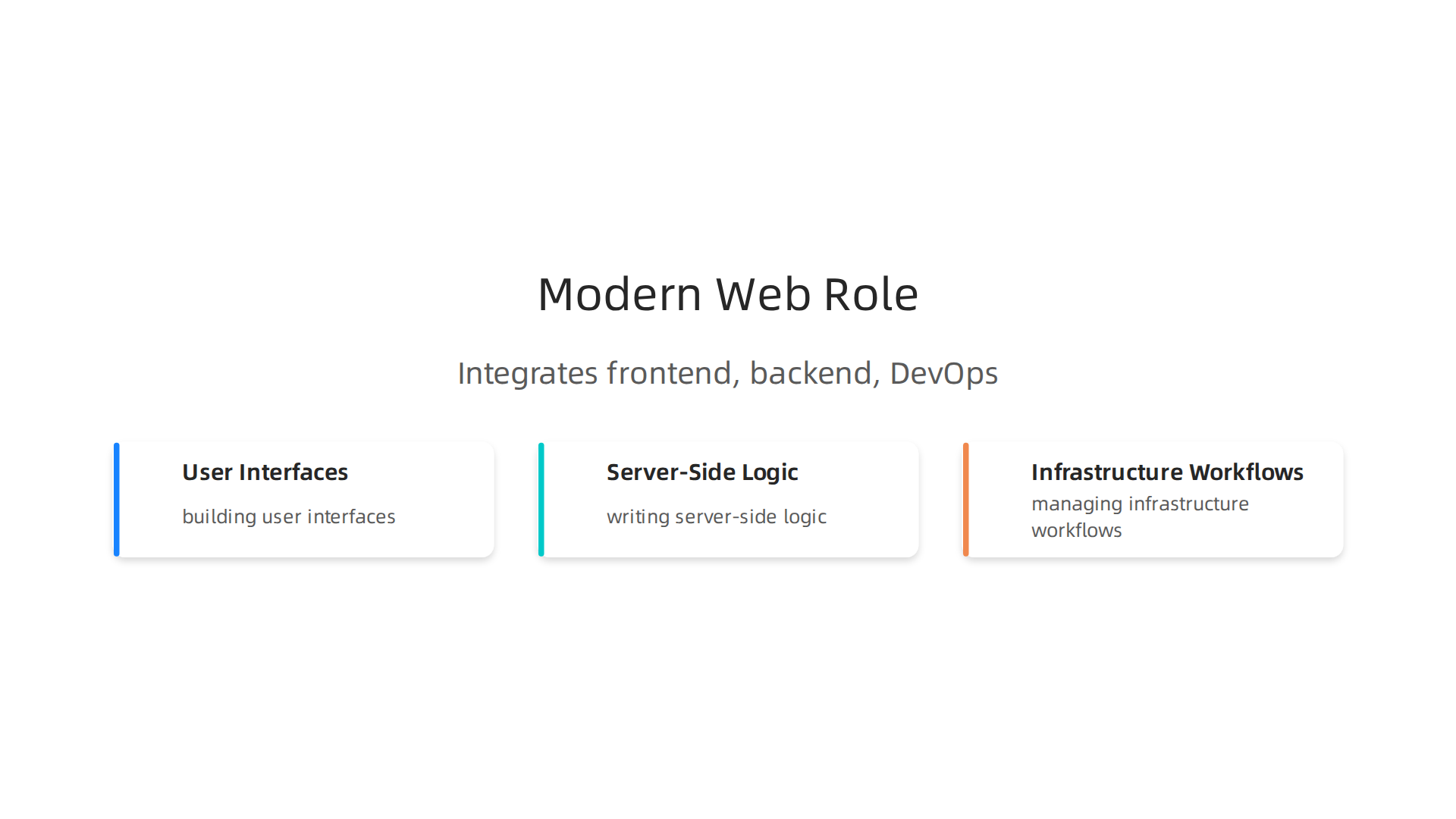
Here is what that really means. Employers today want developers who can work across the full stack. That includes frontend skills like JavaScript and React, backend skills like Node.js and database management, and even some basic DevOps knowledge like using Git for version control and deploying code to cloud services. The role has become a blend of three areas: building user interfaces, writing server-side logic, and managing infrastructure workflows.
The reason internships matter so much here is simple. A six-week internship will expose you to parts of the tech stack you might never touch in a solo project. One day you could be debugging a React component. The next day you could be writing a SQL query or reviewing a pull request on GitHub. That broad exposure is exactly what hiring managers look for when they evaluate candidates for a systems developer role or a full-time engineering position.
Many developers specialize in areas like React development or Node.js backend work because those specializations pay well and have strong demand. But even if you want to specialize, understanding how the whole system fits together will make you more valuable. The most in-demand roles in 2026 require developers who can reason about the entire application, not just one small piece of it. If you want a detailed breakdown of what skills to prioritize, check out the Top 10 Web Developer Skills You Should Have In 2026 guide from industry experts.
A web developer internship is your best chance to see how frontend, backend, and infrastructure work together in a real production environment. And for a deeper look at the full set of skills that top teams are looking for right now, you can explore our complete guide on software developer skills for 2026. Understanding the landscape first will help you pick the right internship and make the most of it.
2. Master the Core Skills: HTML, CSS, JavaScript, and More
Once you understand what employers expect in 2026, the next step is building your skill foundation. And this part is non-negotiable.
HTML5 and CSS3 are the bedrock of every website. They control how pages are structured and styled. JavaScript makes those pages interactive.
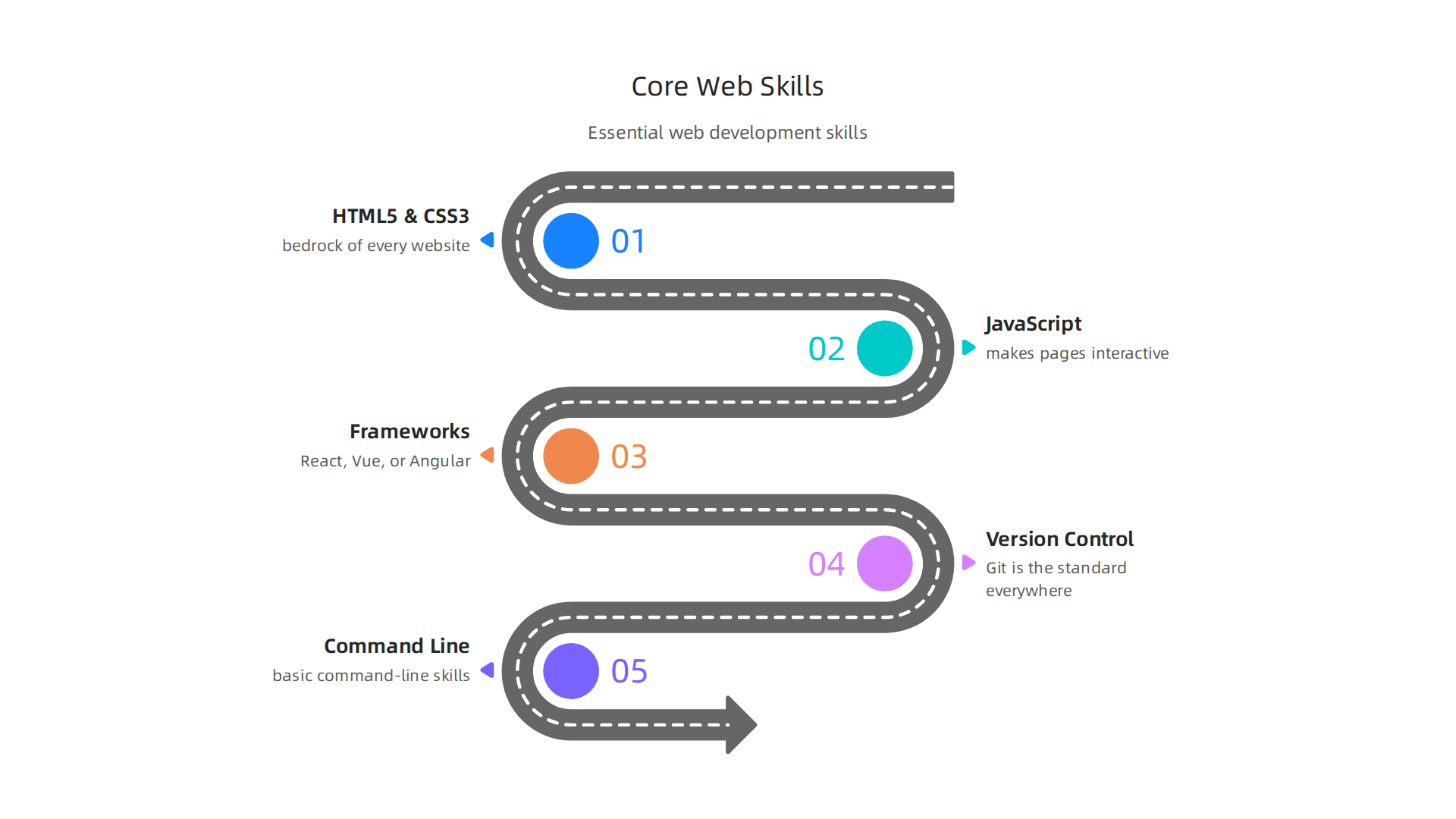
As a candidate for a web developer internship, you need to be comfortable with variables, functions, DOM manipulation, and async programming without reaching for help every few minutes.
But here is what has shifted. Most internship postings now expect experience with a framework like React, Vue, or Angular. Building even a small React project shows hiring managers you understand components and state management. That alone sets you apart from candidates who only know vanilla JavaScript.
You also need version control. Git is the standard everywhere. Knowing how to clone repos, create branches, and open pull requests is just as important as writing good code. Combine that with basic command-line skills, and you will look ready to contribute from day one.
For a full breakdown of what technical skills matter most right now, check out this guide on in-demand web development skills. If you prefer a structured learning path, explore our recommendations for choosing the best web development class online in 2026.
These same skills also help you build a strong freelancer portfolio website and prepare you for roles like computer software engineer or systems developer later in your career.
As you practice, staying current with tech trends keeps you motivated. The AI Newsletter Worth Reading delivers daily updates on how AI is changing development workflows in real time, so you never fall behind.
3. Build a Portfolio That Stands Out
You have the skills. Now you need to prove it. A strong portfolio does that better than any certificate ever could. In 2026, hiring managers for a web developer internship want to see real code, real projects, and real results.
Start with two or three personal projects that show range. A weather app built with React. A to-do list with local storage. A small e-commerce site that calls an API. Each project should have a clear README file that explains what it does, which tools you used, and what you learned. Include a live demo link so anyone can click and see it work.
Do not just copy tutorials. Build something you actually care about. That effort shows in the final product.
Your portfolio website itself is a project. Make it clean, fast, and mobile-friendly. Use it to showcase your frontend skills directly. Add screenshots, short case studies, and your GitHub link.
For more ideas on structuring your projects, check out this guide on how to build a software engineer portfolio with real examples. And if you are curious about what the job market looks like right now, our article on the developer job market in 2026 breaks down the roles and skills that are getting hired.
Remember, a recruiter spends seconds scanning a portfolio. Make every project count. Show your best work first, keep the code clean, and let your passion come through.
4. Leverage Open Source Contributions
Now that you have a portfolio with your own projects, let’s talk about the next level. Open source contributions are one of the best ways to prove you can work on a real team.
When you contribute to an open source project, you are doing more than writing code. You are showing that you can read someone else’s code, follow existing rules, and get your changes approved.

That is exactly what companies look for in a web developer internship candidate.
Start small. Look for repositories labeled with good first issue or help wanted. These tags exist because the project needs help, and the community has already figured out how to guide new people. Fix a typo. Improve some documentation. Write a small bug fix. Each pull request adds visible proof to your GitHub profile.
Open source also opens doors. Senior developers review your code and give feedback. That is free mentorship. Many contributors end up getting referrals or even direct job offers from people they met through a project.
Even if you are a computer software engineer focusing on the backend, contributing to frontend projects can round out your skills. And if you dream of working as a systems developer, open source lets you touch codebases that handle real-world scale.
To see how one company values open source experience, check out the requirements in this web developer internship posting at WebFX. They specifically list experience with open-source CMS platforms.
For a complete roadmap on landing a top internship, our guide on the Notion software engineer intern interview process gives you a step-by-step playbook.
Remember, every pull request you merge is a new item on your resume. And it shows you can play well with others, which is a skill no tutorial can teach.
5. Prepare for Technical Interviews
You have built projects and contributed to open source. But the real test comes when you sit in front of an interviewer. For a web developer internship, companies want to see how you think on your feet.
Expect three types of challenges. First, algorithm questions. These test your grasp of data structures like arrays, trees, and hash maps. Second, system design discussions. Even for an internship, you might be asked to sketch out a simple URL shortener or explain how you would handle traffic. Third, live coding assessments where you solve a problem while explaining your thought process.
The best way to prepare is to practice daily on platforms like LeetCode and HackerRank. Focus on problems that relate to web development, such as building a small API endpoint or optimizing page load time. The 2026 web developer interview prep guide from Coursera recommends starting with HTML, CSS, and JavaScript fundamentals before moving on to advanced topics like the event loop and performance optimization.
Mock interviews are a game changer. Practice with a friend or use a service that matches you with experienced developers. Getting comfortable explaining your reasoning out loud reduces anxiety and helps you spot gaps in your knowledge.
Even if you are aiming for a role as a computer software engineer or a systems developer, the same prep applies. Strong fundamentals will serve you no matter which path you take. Our guide on software developer skills in 2026 breaks down the exact technical areas hiring managers test most.
One final tip: always ask questions at the end. Show that you care about the team, the tech stack, and the company culture. That curiosity often makes the difference between a pass and a rejection.
6. Use AI Tools to Accelerate Learning
You have nailed your interview prep. Now let’s talk about one of the fastest ways to level up your skills: using AI tools.
Think of AI as a personal tutor that never gets tired. Tools like GitHub Copilot can suggest code as you type. That means you learn correct syntax faster and spend less time hunting for typos. A recent article on the best AI tools for web development in 2026 names Copilot as a top pick because it reads what you write and offers real-time help.
But AI does more than fill in missing brackets. You can use it to generate whole practice projects. Tell an assistant like ChatGPT or Claude to build a simple to-do app, and then study the code it produces. Ask it to explain why it chose one approach over another. This turns AI into a patient teacher.
Understanding AI itself is becoming a required skill for any web developer internship. Companies want team members who know how to prompt, refine, and debug code with AI helpers. It’s not about replacing your brain. It’s about giving you more time to focus on design and logic.
To get the most out of these tools, you can also explore how personal AI assistants are reshaping developer workflows in 2026. That deeper knowledge will set you apart when you interview.
One last thing: staying current on AI news matters. For daily updates that are clear and useful, try reading The Deep View Newsletter. It cuts through the noise and keeps you informed so you can keep growing.
7. Network Strategically
Learning and staying informed is only half the picture. To land that web developer internship, you also need to connect with the right people. Networking opens doors that job applications alone cannot.
Start by attending virtual meetups, webinars, and local hackathons. These events put you face to face with professionals who can share advice or even refer you.

Many developers have shared that direct outreach to recruiters on LinkedIn works well. One strategy is to find an internal recruiter at a company you like, message them about a role, and follow up if they don’t reply. You can read more about this approach in a Reddit discussion on job boards and networking for software developers.
LinkedIn is a powerful tool for this. Keep your profile updated and connect with people in roles you admire. Join groups focused on web development. Engage with posts from hiring managers. A simple comment can start a conversation that leads to an interview.
Online communities on Discord and Slack are also great places to meet peers and mentors. Many have channels where members share internship openings and give feedback on projects. Being active in these spaces shows initiative.
For a broader view of where the industry is headed and what skills to highlight, check out this guide on tech jobs in 2026. It will help you talk about trends during networking conversations.
Remember, networking is not about asking for a job right away. It is about building real relationships. Offer help when you can, ask thoughtful questions, and follow up afterward. That is how you turn a connection into an opportunity.
8. Find and Apply for Internships
Once you have built a strong network, it is time to put that energy into finding the right opportunity. The best place to start is on major job boards. LinkedIn, Indeed, and company career pages list thousands of openings.
For example, you can browse current web developer internship listings on Indeed to see what employers are looking for in 2026.
Do not just send the same resume to every listing. Hiring managers can spot a generic application from a mile away. Instead, tailor your resume and cover letter for each role. Highlight the skills and projects that match what the company specifically asks for. If the posting mentions React, make sure your React experience is front and center.
Keep your search organized. Use a spreadsheet to track where you applied, the date, and any follow-up notes. This helps you stay on top of deadlines and avoids applying to the same place twice. It also makes it easy to remember who to reach out to later.
After you submit an application, wait about a week. Then send a polite follow-up email to the hiring manager or recruiter. A simple message expressing your continued interest can set you apart from the pile.
For a deeper look at how to prepare your application materials, check out this internship application playbook for companies like Notion. It walks through the entire process from resume to interview.
Finally, apply to a mix of big companies and small startups. Cast a wide net. The more applications you send out, the higher your chances of landing that first web developer internship.
9. Ace the Behavioral Interview
Getting the technical questions right is only half the battle. For a web developer internship, companies also want to know how you work with others. That is what the behavioral interview is for.

Behavioral interviews check your teamwork, communication, and ability to grow. Development is a team sport. You need to show that you can handle feedback, solve problems with a group, and adapt when plans change. The Web Developer Interview Prep Guide explains that these interviews focus on your growth mindset as much as your coding skills.
The best way to structure your answers is the STAR method. STAR stands for Situation, Task, Action, Result. For every question, pick a real example from your experience. Describe the situation you were in. Explain the task you needed to complete. Walk through the action you took step by step. End with the result you achieved.
Here are common behavioral questions to practice for a web developer internship:
- Tell me about a time you worked on a team project.
- Describe a bug you fixed and how you found the solution.
- Give an example of when you received tough feedback.
- Tell me about a time you had to learn something new quickly.
Choose stories from class projects, hackathons, or side work. The key is to show what you personally did, not just what your team did. These moments also demonstrate your software developer skills for 2026 in a real-world context.
Practice your answers out loud. Record yourself on your phone or ask a friend to run a mock interview. The more you rehearse, the more natural your stories will sound on the big day.
If you want to see how others handle these questions, this web development intern interview video walks through real interview questions and sample answers from start to finish.
10. Stay Updated with Industry Trends
Once you feel ready for those interview questions, it is time to think about what comes next. The best web developer internship candidates stand out because they stay curious beyond the interview prep.
Technology moves fast. What you learned last year might already have a better tool or approach. Staying updated shows employers you care about growth. It also helps you answer interview questions with fresh, relevant knowledge.
Here are simple ways to stay current in 2026:
- Follow tech blogs and newsletters. A daily newsletter like The AI Newsletter Worth Reading delivers clear AI updates straight to your inbox. No fluff, just what matters.
- Listen to developer podcasts. Hear from real engineers building real products. Podcasts work great during your commute or while you code.
- Watch emerging fields. WebAssembly, Edge Computing, and AI integration are reshaping how we build software. Understanding them early makes you a stronger candidate.
- Try new tools. The best AI coding tools include GitHub Copilot, Cursor, and ChatGPT. These tools help you write code faster and learn as you go.
One area worth watching closely is AI for web development. Teams now use AI assistants to generate code, debug errors, and automate tasks. The 7 best AI tools for web development in 2026 covers options from code generation to automation. Getting comfortable with these tools now gives you a real edge.
To dive deeper into the trends shaping the field, explore engineering technology trends for 2026. It breaks down how AI and platform engineering are changing development workflows.
Continuous learning signals passion to employers. It also helps you grow faster whether you are a systems developer or computer software engineer. Make trend-watching a regular habit, not an afterthought.
Summary
This article explains why internships remain the fastest path into web development in 2026 and gives a step-by-step playbook for landing and succeeding in one. It describes what modern employers expect—full‑stack familiarity, Git, and basic DevOps—and details the core technical skills you must master (HTML, CSS, JavaScript, frameworks, and version control). You’ll learn how to build a concise portfolio with live demos, use open source contributions to demonstrate teamwork, and prepare for both technical and behavioral interviews. The guide also covers how to use AI tools to speed learning, where to network for referrals, and practical tactics for finding and applying to internships. Follow these steps and you’ll be able to craft targeted applications, perform confidently in interviews, and turn a short internship into a long-term engineering career.