
Why university-based online tech education still matters for software professionals
In 2026, the world of software changes very quickly. New tools and smart ideas show up all the time. If you work in tech, it’s really important to keep learning new things. This helps you do your job better and move up in your career.

But with many ways to learn, how do you pick the best one? You might find options like quick udemy free courses with certificate or special programs like stanford online certificates.
One very good way to keep learning is through online degrees from well-known universities. These are not just simple online classes. They come from schools that people trust. This means what you learn is real and can be used in your job. Companies often like to hire people with degrees from respected places.
When people pick an online learning program, they often think about a few important things:
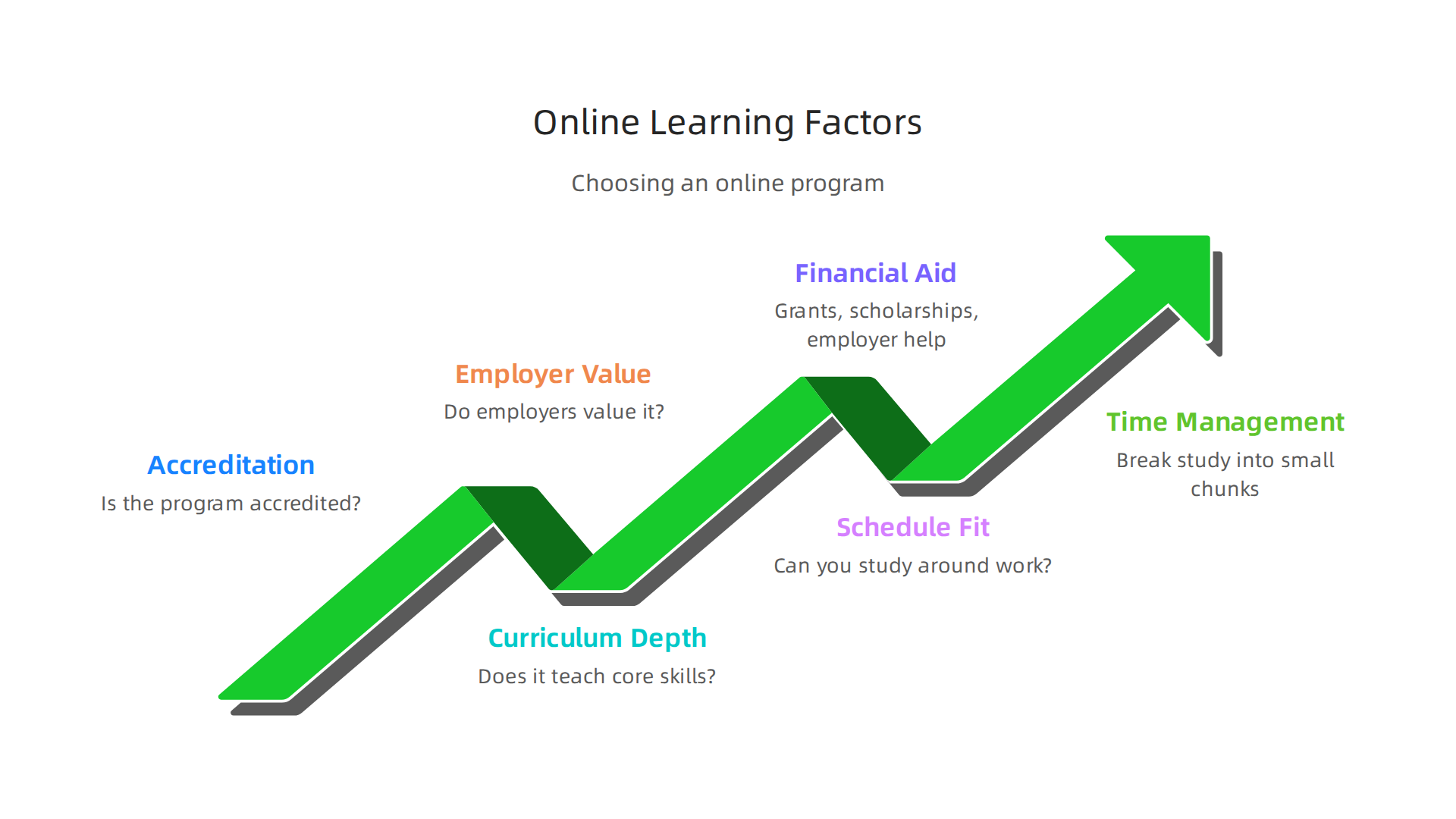
- Is it real? This is called accreditation. It means the program has been checked by experts and found to be good.
- How much do you learn? A strong program teaches you deeply, not just a little bit of information. For instance, getting advanced georgia tech software skills needs a program with lots of depth.
- Do bosses care? A degree from a respected university can help you get a better job or earn more money.
- Can you fit it in? Online learning is great because you can study when it works for you, around your work and family time. It offers a lot of freedom.
In this article, we will look closely at why online programs from schools like Arizona State University (ASU) are a smart choice. We will talk about what you learn, how much it costs, how much hands-on practice you get, and what kinds of jobs you can aim for. For example, for the 2026-2027 school year, many ASU online degrees for undergraduate students cost about $580 per credit. For graduate students, it’s about $605 per credit, according to the ASU Online Tuition 2026: Cost & Fees Guide. These costs can be a big part of your decision.
Staying updated with the latest in tech, especially new ideas in AI, is very important for software professionals.
The AI Newsletter Worth Reading can help you get clear daily AI updates from The Deep View Newsletter.
In 2026, after you decide to get an online degree, a big question is: "Will employers care about it?" The good news is, yes, they do. Many companies today see online degrees from schools like Arizona State University (ASU) as just as valuable as degrees earned on a campus. This is a big change from past years.
More than 80% of employers now accept online degrees, especially when they come from schools that are checked and approved by experts. This means the degree is "accredited," proving it meets high standards. A university degree like the many ASU online degrees shows that you have learned deeply and broadly.
Compare this to other learning options, like quick udemy free courses with certificate or short bootcamps. While these can help you learn a specific skill, they often do not carry the same weight as a full university degree. Employers usually look for a strong foundation in a subject, which a complete degree provides. For instance, while some might consider stanford online certificates for focused learning, a full degree often signals a deeper level of knowledge. Understanding the differences is key when looking at options like software bootcamps 2026 your guide to costs curriculum and jobs.
So, what does this mean for your career? Graduates with online university degrees often find great success. They can get hired for new jobs, earn promotions in their current roles, or switch to different, more exciting positions.

A study in 2025 found that people with online degrees saw their salaries go up by about 19% after graduating, and almost all of them stayed employed while studying. This shows that online learning helps you get ahead, whether you are aiming for a new role or looking to boost your earnings in your current job. If you are looking to secure high-paying jobs, exploring paths like remote computer science jobs 2026 unlock your high paying career can be a smart move.
An online university degree is especially valuable in growing fields like software engineering and AI. Companies want people who have a strong, verified education in these complex areas. Getting advanced georgia tech software skills, for example, from a respected online program helps you stand out. It tells employers you have the deep knowledge needed for high-level tasks. In 2026, the tech world still values well-rounded, accredited education as a sign of true capability, often more than just quick course completions or small certificates. Actually, over 70% of organizations hired people with online degrees in the last 12 months, showing how much things have changed for the better. This is largely because employers focus on a few things: if the degree is accredited, if it fits the job, and if the school has a good name (a university with both online and on-campus programs is often seen as very credible) How Employers Evaluate Online Degrees in 2026.
Curriculum, Specializations, and Technical Depth in ASU Online Degrees
If you’re thinking about asu online degrees, especially in tech fields, you’ll want to know what you’ll actually learn. These programs are made to give you a really strong base of knowledge, which is why employers like them so much. They go much deeper than just quick courses or certifications that only teach one skill.
What You’ll Learn in Core Courses
A Bachelor of Science in Computer Science from ASU Online, for example, starts with the basics. You’ll learn important math, like calculus, which is key for understanding complex computer ideas. Students typically begin with courses like calculus I What are the first classes? – Computer Science : r/ASUOnline.
Then, you dive into computer science fundamentals. These include:
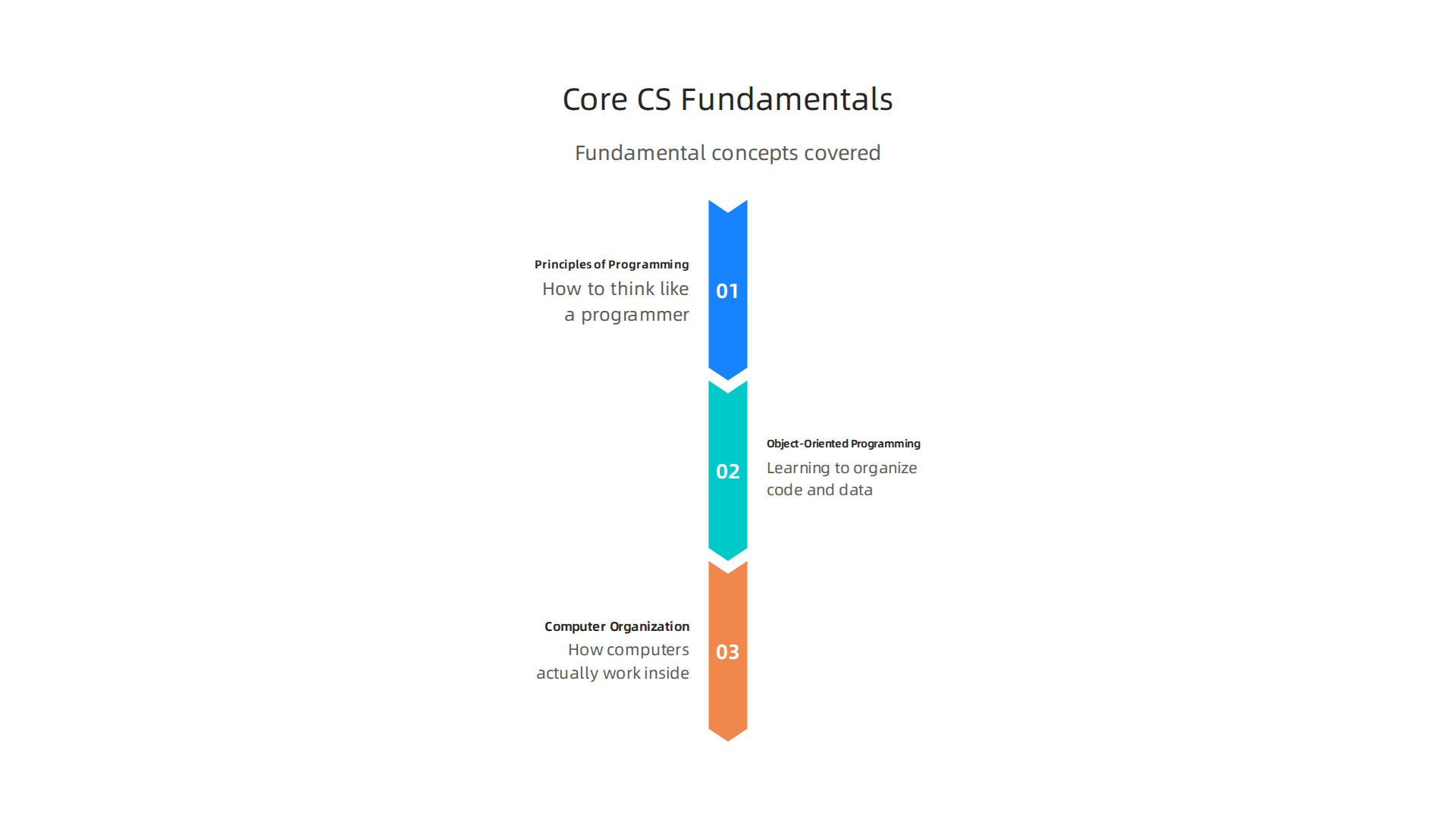
- Principles of Programming: How to think like a programmer and write code.
- Object-Oriented Programming and Data Structures: Learning to organize code and data in smart ways.
- Computer Organization: How computers actually work inside.
These core classes make sure you have the key skills for programming and solving problems Computer Science – BS | Degree Details. You can see a full list of required courses on the Computer Science Curriculum page.
Focus Areas and Special Projects
As you move through your degree, you get to choose special areas that interest you. These are called electives or specializations. For instance, in a computer science program, you can explore exciting fields such as:
- Artificial Intelligence (AI) and Machine Learning: Learning how computers can "think" and learn from data.
- Web and Mobile Applications: How to build apps for phones and the internet.
- Embedded Systems: Making software for devices like smart watches or car computers.
These choices let you gain deeper knowledge in specific tech areas. You’ll also work on hands-on projects, like labs and a "capstone" project, which is a big project at the end of your studies. These real-world projects, such as those found in a Software Enterprise program, give you practical experience, which is super important for jobs. If you’re looking for insights into creating new tech, you might find our guide on Build A Successful AI Startup Engineering Guide For 2026 useful for project ideas.
Deeper Learning in Graduate Programs and Certificates
ASU also offers more advanced options for those who want to go even further. For example, the Master of Computer Science (MCS) program builds on the basics with even more advanced topics. Every student in the MCS program takes core courses in three main areas: Systems, Applications, and Foundations. After that, they can choose many elective courses to really focus on their interests ASU Online Master of Computer Science (MCS) Program Guide.
These graduate programs are for those who want to become experts in complex areas of software engineering and AI. There are also professional certifications in computer science available for focused skill building Professional Certifications in Computer Science | Engineering. These are different from quick udemy free courses with certificate or even certain stanford online certificates because they often require prior foundational knowledge or a higher level of technical depth.
No matter what level you choose, ASU’s online degrees make sure you get a complete education that prepares you for today’s tech jobs.
Get clear daily AI updates from The Deep View Newsletter. The AI Newsletter Worth Reading
ASU’s online degrees give you a full education for today’s tech jobs. But how much do they cost? And is it worth it? Let’s break down the money side of things.
Cost, Financial Aid, and ROI: Evaluating ASU Online Degrees for Working Engineers
When you’re a working engineer, choosing an online degree is a big step. You need to know how much it will cost and if it will help your career grow.

Thinking about asu online degrees means looking at the price tag, how you can get help paying, and what you’ll get back in your career.
How Much Do ASU Online Degrees Cost?
ASU Online has clear costs. For most online programs in 2026, you’ll pay by the credit hour.
- For a bachelor’s degree (undergraduate): It’s about $580 for each credit hour.
- For a master’s degree (graduate): It’s about $605 for each credit hour.
You can find these numbers on the official ASU Online website, like in their Online Tuition & Cost Calculator and ASU Online Tuition 2026: Cost & Fees Guide or the 2026–2027 tuition update. A full bachelor’s degree typically needs around 120 credit hours. This means the total tuition could be around $67,000 to $79,000 for a bachelor’s degree, depending on the program and any extra fees ASU Online Tuition Review 2026: $561-$661 per Credit …. Keep in mind that these costs are for online students and can be different from what on-campus students pay, as seen in the Arizona State University 2025-26 Base Tuition and ….
Help with Money: Financial Aid
Many online students can get financial aid. This aid can come from different places:
- Federal Student Aid: Like grants or loans from the government.
- ASU Scholarships: Money given by the university that you don’t have to pay back.
- Company Help: Sometimes your job might help pay for your education.
It’s a good idea to look into all these options to make your asu online degrees more affordable. You can learn more about how to find financial help on the Tuition Costs and Fees | ASU page.
Is It Worth It? Thinking About Your Return on Investment (ROI)
ROI means what you get back for what you put in. For an online degree, this means looking at:
- The money you spend: Tuition, fees, books.
- The time you spend: This might mean less time working or with family.
- The money you could earn later: Will your new degree help you get a better job or a higher salary?
Many ASU graduates find good jobs. For example, some reports show that about 87% of ASU graduates find a job, continue their education, or join the military shortly after finishing their studies Arizona State University Jobs, Alumni, 2026 Calendar &. Graduates from the computer science programs, for instance, often go into high-paying roles like software developer or data scientist, with good job growth expected. You can see more about job prospects from ASU’s own career support for students and alumni and general Graduation and Employment data.
How ASU Online Compares to Other Ways to Learn
There are other ways to boost your tech skills, but they offer different things:
- Coding Bootcamps: These are much faster and often cheaper than a degree. They teach specific skills quickly. But they usually don’t give you a broad college-level education. If you’re looking into these, check out our guide on Software Bootcamps 2026 Your Guide to Costs Curriculum and Jobs.
- Certifications: Things like
udemy free courses with certificateor even specializedstanford online certificatescan teach you one skill. They’re good for quick learning or showing you know a specific tool. But they aren’t a full degree and don’t offer the same deep knowledge or career support as a university. - Other Part-Time Master’s Programs: Other universities also offer online or part-time master’s degrees. Their costs and flexibility can vary a lot. You would need to compare them directly to ASU’s programs.
Overall, asu online degrees offer a deep, respected education that can lead to strong career outcomes for engineers in 2026. They provide a good balance between learning a lot and being flexible for busy people.
While asu online degrees offer a strong, structured path for engineers looking to grow, they are not the only option. It’s smart to look at other ways to learn and see how they stack up. Different learning paths fit different goals, time, and money.
University Online Programs: Deep Knowledge and Respect
Online degrees from universities like ASU give you a full education. They teach you not just specific skills, but also the bigger ideas and theories behind them. This broad understanding is very helpful as technology changes over time.
- Strengths: You get a well-known degree that employers respect. You learn a wide range of topics, build a strong network, and often get help with your career. This path is good for long-term career growth. In 2026, most employers, about 83% of them, see online degrees from accredited schools as good as degrees from on-campus programs Online Degrees in 2026: 83% of Employers Now Accept Them ….
- Trade-offs: These programs take more time, usually several years, and cost more money compared to other choices.
- Best for: Engineers who want a deep understanding, a widely recognized credential, and a solid foundation for many different career paths.
Coding Bootcamps: Fast Skills for New Jobs
Coding bootcamps are a different kind of learning. They are very focused and intense.
- Strengths: Bootcamps teach you the specific skills needed for a job quickly, often in a few months. They are great if you want to change careers fast or pick up a new hot skill. Many employers are happy to hire people who come from bootcamps; around 72% think bootcamp grads are just as ready as those with four-year degrees 25+ Coding Bootcamp Statisticsfor 2026: Key Findings.
- Trade-offs: They usually don’t give you a broad understanding of computer science. The learning is very quick, which can be tough.
- Best for: People who need to gain job-ready skills fast and already know they like programming. For a deeper dive, you can read more about Bootcamp vs. Degree vs. Self-Taught: The Honest ROI in 2026.
Self-Study and Certifications: Flexible Learning
This path includes things like udemy free courses with certificate, stanford online certificates, or just learning on your own from books and websites.
- Strengths: It’s often the cheapest or even free way to learn. You can study at your own speed, focusing only on what you need. This is great for learning specific tools, picking up a new programming language, or understanding a niche topic. Many platforms offer valuable online certifications for software engineering that can show off your skills.
- Trade-offs: You need a lot of self-discipline to stick with it. It doesn’t usually lead to a formal degree, and there’s less career support.
- Best for: Engineers who are self-motivated, want to fill specific skill gaps, or want to explore new areas without a big time or money commitment. You can also look into different IT certification courses to boost your career.
Choosing Your Best Path
There’s no single "best" way to learn. The right choice depends on what you need.
- If you want a full, deep education and a widely respected degree for a long career, an
asu online degreesprogram or another university online degree is likely your best bet. - If you need to learn job skills quickly and jump into a new role, a coding bootcamp can be very effective.
- If you’re looking for flexible learning, want to save money, or need to learn very specific skills, self-study and online certifications are great choices.
In 2026, employers are often looking at what you can do rather than just where you learned it. While many employers still prefer or require a bachelor’s degree Aligning Education and Work: What Employers Say Higher …, a big part of hiring also depends on your skills and projects. Your learning path should give you both: good knowledge and proof of what you can build.
Choosing the right learning path is just the first step. For engineers already working, fitting study time into a busy schedule needs smart planning. It’s totally doable, and many people earn degrees or new skills while holding down a full-time job.

Time Management Tips for Busy Engineers
The key to studying while working is to be smart with your time. Think about these ideas:
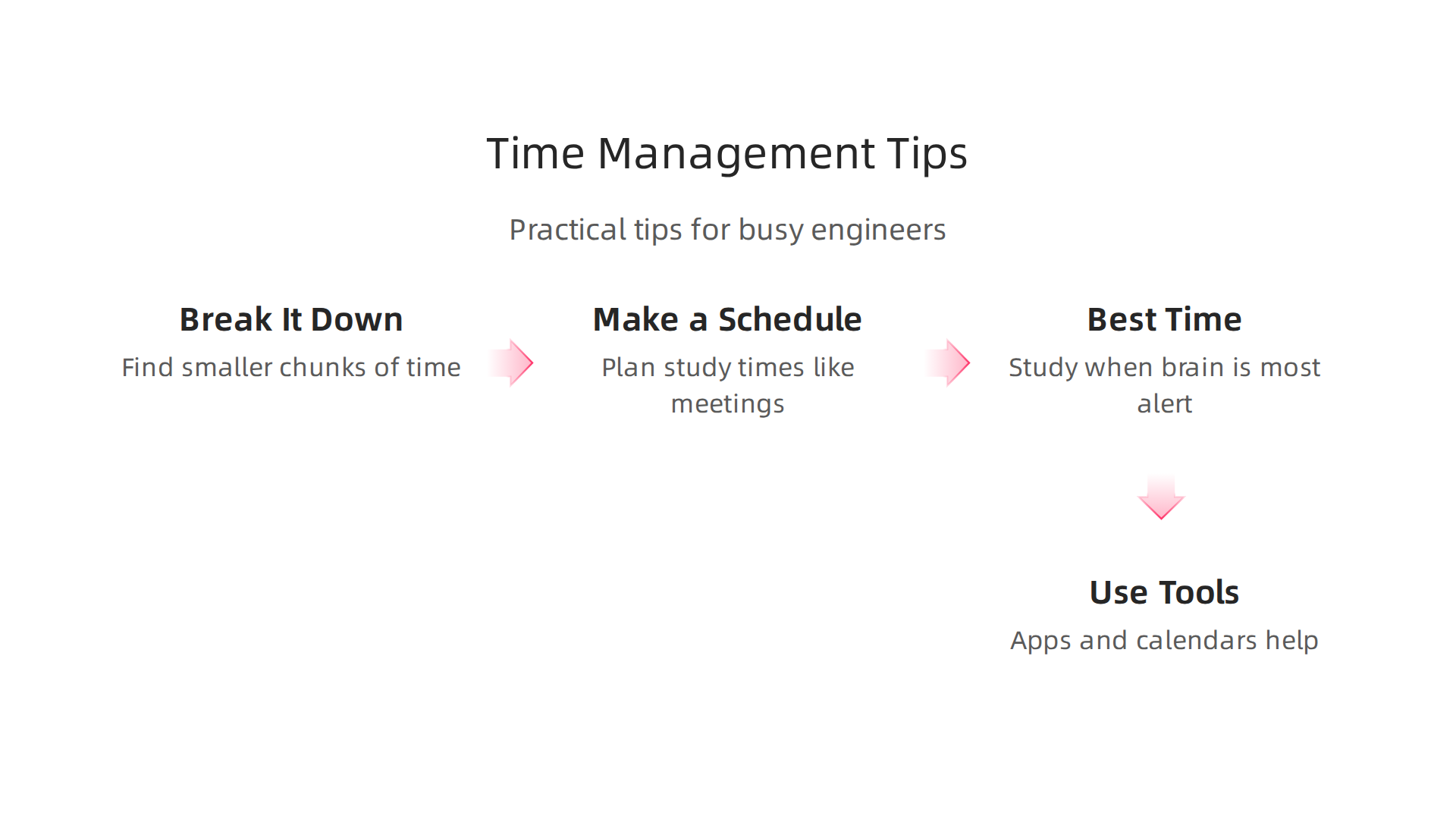
- Break it Down: Instead of big study blocks, try to find smaller chunks of time. Maybe 30 minutes before work, during lunch, or an hour after the kids are asleep. These small parts add up.
- Make a Schedule: Plan your study times like you plan meetings. If it’s on your calendar, you’re more likely to do it. Being consistent helps a lot.
- Find Your Best Time: Are you a morning person or a night owl? Study when your brain is most alert. This makes learning easier and more effective.
- Use Tools: Apps and calendars can help you keep track of tasks and deadlines. Setting reminders can be a game-changer for staying on track with your
asu online degreescoursework orstanford online certificates.
Getting Support from Your Job
Your employer might be able to help you. It’s worth asking about:
- Flexible Hours: Some companies let you shift your work hours a bit so you can fit in classes or study time.
- Tuition Help: Many companies offer money to help pay for schooling, especially if what you’re learning will help you do your job better. Always check if your company offers this kind of support.
- Relevant Projects: If your studies connect to your job, maybe you can work on projects that count for both your job and your schoolwork. This makes learning feel more useful right away.
In 2026, many workplaces are more open to supporting employees who want to grow their skills. About 68% of employers still see degrees as important, but 86% also value certificates as a sign of readiness Workforce Decoded: AI, Skills and the Future of Hiring (2026). This means showing initiative to learn, whether through a degree or udemy free courses with certificate, is often rewarded.
Choosing the Right Program for Your Life
When picking a program, think about how it works with your current life:
- Asynchronous Learning: This means you don’t have to be online at a certain time for live classes. You watch lectures and do work when it fits your schedule. This is very good for busy people.
- Accelerated Programs: If you can dedicate more time for a shorter period, some programs let you finish faster. Just be ready for an intense few months!
- Part-time Options: Many university programs, including
asu online degrees, let you study part-time, spreading out your courses over more semesters. This makes the workload lighter each week. - Specialized Certifications: For quick skill boosts, consider online certifications for software engineering or specific IT certification courses that can be completed more quickly than a full degree.
No matter which path you choose, staying organized and getting support will help you reach your goals without burning out.
Choosing the right program is a big deal, and after all the effort you put in, you want to know it will pay off. So, when it comes to programs like asu online degrees, do they really get you ready for a job in today’s fast-moving tech world? Let’s look at how these programs prepare you.
AI, hands-on projects, and demonstrable skills: are ASU online graduates job-ready?
Modern engineering jobs need people who know about new things like Artificial Intelligence (AI), cloud computing, and handling lots of data. Programs at places like ASU Online are built to teach these exact skills. For instance, the Bachelor of Science in Computer Science online program at ASU includes classes that explore advanced topics such as AI and machine learning, like "Introduction to Artificial Intelligence" and "Foundations" courses in these areas. This helps students learn about cutting-edge technology directly in their studies Online Computer Science Degree | CS BS Degree – ASU Online.
Turning School Projects into a Job Portfolio
A big part of what makes asu online degrees helpful is the focus on real projects. You don’t just learn from books. You get to build things. This includes major projects like a "capstone" project at the end of your program. These hands-on tasks are like practice runs for real jobs. When you finish them, you can show them to potential employers as proof of what you can do. These projects become important parts of your portfolio, showing you have skills that companies really value. If you’re wondering how to make these projects really shine, think about what makes Why AI Projects Fail and how to ensure yours don’t.
Real-World Practice and Getting Support
To make sure students get real experience, many online programs give them access to special tools. This might mean using virtual labs or getting credits to work with cloud services, just like a professional engineer would. These resources allow students to practice their skills in a safe, yet realistic, environment.
Arizona State University also offers great support for its students and alumni. They have career services that help you explore job options, get your resume ready, and even practice interviews. This support continues even after you graduate, helping you enter the workforce with confidence Online Graduation & Career Resources – ASU Online. This means you’re not just getting a piece of paper; you’re getting help to actually land a job that uses your new software developer skills 2026.
In 2026, many graduates from ASU programs, including those who studied online, find success. A large number of graduates are employed or go on to further education within months of finishing their studies. This shows that the hands-on learning and career support truly prepare students for their next steps Why ASU Is Ranked No. 2 for Graduate Employability.
If you’re eager to stay on top of the latest in AI and tech trends, which are key for these job-ready skills, there’s a great resource that can help.
Get clear daily AI updates from The Deep View Newsletter. The AI Newsletter Worth Reading
Summary
This article explains why university-based online tech degrees remain a strong choice for software professionals in 2026, using Arizona State University (ASU) as a concrete example. It covers accreditation, core curriculum and specializations (AI, web, embedded systems), hands-on projects and capstones, and how employers view online credentials. You’ll get clear cost figures—about $580 per undergraduate credit and $605 per graduate credit—and an ROI discussion including financial aid and employer tuition support. The piece compares full degrees to bootcamps and short certifications, offers time-management tips for working engineers, and shows how online programs help you build a job-ready portfolio for roles in AI and software engineering.