
Why this comparison matters for your career in 2026
Are you thinking about a job in tech? Maybe you’ve heard titles like "software engineer" and "full stack developer" used a lot. It’s easy to get them mixed up, and you’re not alone! Many people, even those working in tech, sometimes confuse these important roles. But understanding the real difference is super important, especially in 2026.
Knowing what each job truly means can help you a lot. If you’re looking for work, it helps you find the right job postings. For companies, it makes sure they hire the right person for the team. And for anyone planning their career, it helps you pick the best path forward. A software engineer, for example, often works on the inner workings of systems, like making sure different parts of a computer program talk to each other correctly. A full stack developer, on the other hand, usually handles everything you see on a website or app, plus the hidden parts that make it run smoothly. Some experts note that a full stack developer is a kind of software engineer who focuses on building web applications from start to finish, managing both the front-end and back-end parts of a system [Indeed.com].
The tech world is always changing, and very quickly too. New tools and ideas, especially with AI, mean that job roles are also changing fast. Maybe you’re dreaming of becoming an AI engineer, a mainframe developer, or even landing one of the many exciting full stack Java developer jobs out there. Whatever your goal, understanding the basics of how to be a developer and what these core roles involve is the first big step.
This guide will help make everything clear. We’ll look at the real differences between a software engineer vs full stack developer. We’ll talk about the skills you need for each role, what kind of career paths they offer, and how you can even switch between them if you want to. Our goal is to give you clear, true information so you can make smart choices for your future in tech.
If you’re interested in how the overall job market for developers is changing, you can also explore the developer job market 2026 transformation of skills and roles.
Stay ahead of the curve in the fast-moving tech world. Get clear daily AI updates and more by subscribing to The AI Newsletter Worth Reading.
Now that we know why these jobs are so important in 2026, let’s look closer at what a software engineer and a full stack developer actually do. Understanding their everyday tasks will help make the difference super clear.
What Does a Software Engineer Do?
Think of a software engineer as an expert who builds the inner workings of many different types of computer programs and systems. They design, create, test, and keep software applications running smoothly. Their work can be quite broad. For example, a software engineer might focus on building the hidden parts of a system called "backend services," or making sure the "infrastructure" a program runs on is strong and reliable Software Engineer vs Full-Stack Developer: React Splits the Title. They might also work on very specific areas like embedded systems, which are tiny computers inside other devices, or platform engineering, which builds tools for other developers to use.
A software engineer often thinks about the big picture, like how different parts of a system should connect and work together. Their creations are typically used by other engineers or special teams like DevOps before they reach a regular user. This role is often about system design and making sure everything is built correctly and lasts a long time. They could be creating the core technology for anything from operating systems to tools that help businesses run. This broad field also includes specialized roles like an AI engineer, who focuses on smart systems, or a mainframe developer, working with very large, powerful computers.
What Does a Full Stack Developer Do?
A full stack developer is a special kind of software engineer who handles a wide range of tasks for web applications. They are like a master builder for websites and apps, able to build and manage every part of it, from start to finish Full Stack Developer Vs. Software Engineer Comparison. This includes:
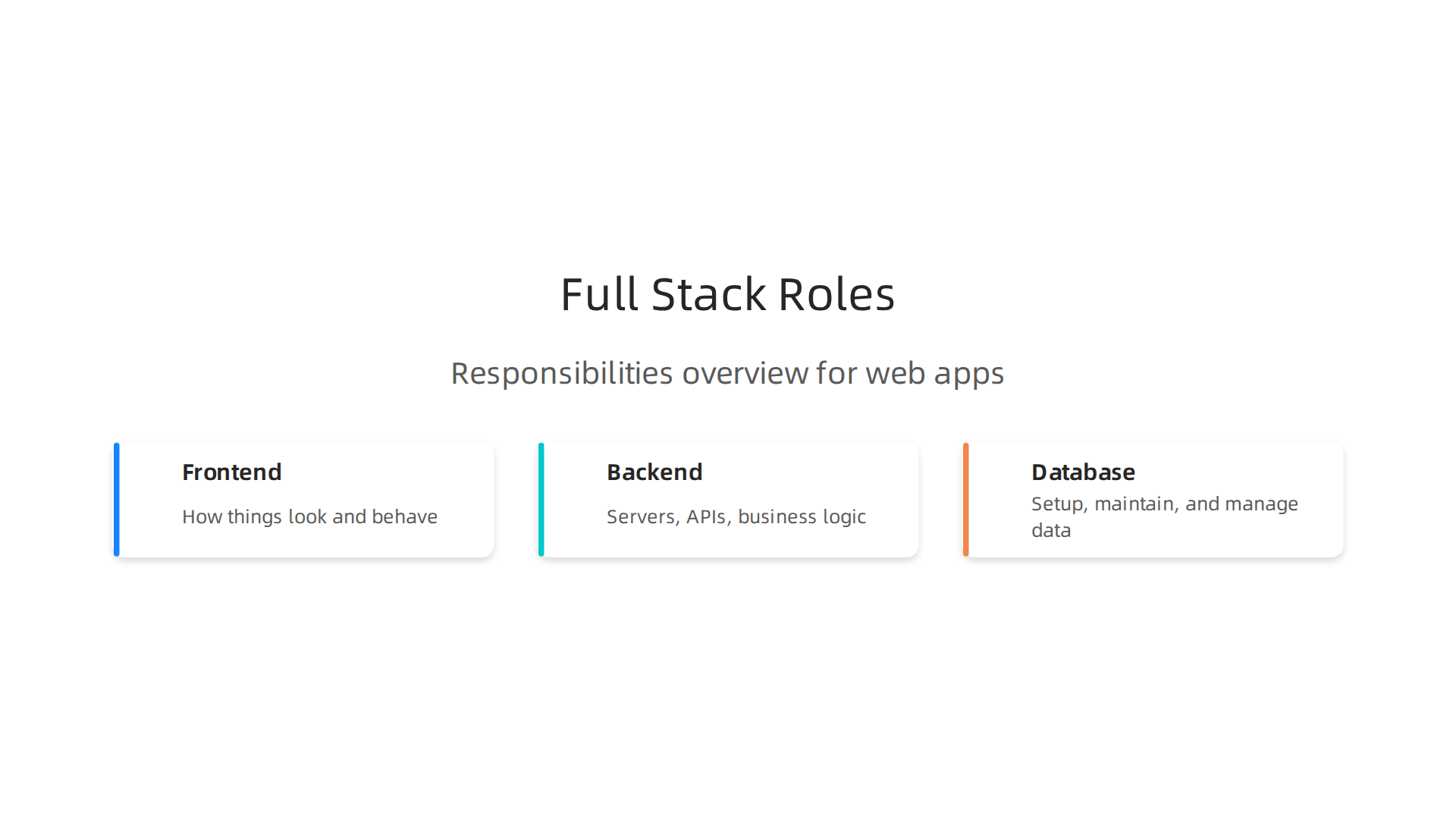
- Front-end development: This is everything you see and interact with on a website or app. It’s about how things look, feel, and behave in your browser. Think buttons, menus, and text.
- Back-end development: This is the hidden part that makes the front-end work. It includes the servers, databases, and special computer programs that handle user requests and store information.
- Database management: This means setting up and taking care of where all the website’s data lives.
So, a full stack developer builds the user interface, manages the server-side logic, and works with databases to create complete applications. They build end-to-end solutions, making sure both the visible parts and the invisible parts work together perfectly Full-Stack vs Software Engineer: Which Career Path is Right for You in …. If you are looking for specific types of work, like full stack Java developer jobs, you would be looking for someone with strong skills in that particular programming language across both front-end and back-end tasks.
Where the Lines Blur: Overlaps and Inconsistent Titles
Here’s where it can get a little tricky: The term "software engineer" is actually a much wider umbrella. A full stack developer is often considered a specific type of software engineer who has chosen to specialize in building web applications from top to bottom The New Full Stack Developer Roadmap in 2026- Skills, Salary ….
This means all full stack developers are software engineers, but not all software engineers are full stack developers.
Companies sometimes use these titles a bit differently in their job postings. What one company calls a "software engineer" might involve tasks that another company assigns to a "full stack developer," especially in smaller teams where people wear many hats. This is why it’s super important to read job descriptions carefully, even if the title sounds familiar. The tasks listed and the skills required will tell you the true nature of the job.
As you think about how to be a developer, remember that both roles need a strong understanding of coding and problem-solving. Knowing the core differences between a software engineer vs full stack developer is your first step toward finding the right fit for your skills and career dreams. To help you choose the best learning path, you might want to explore some of the best computer courses 2026 for software engineers at every career level.
Now, let’s dive into the core skills and tools that employers expect from software engineers and full stack developers in 2026. Knowing these will really help you understand the differences and figure out how to be a developer in the field you choose.
Core Skills and Tech Stacks: What Employers Expect
When you look at job listings for a software engineer vs full stack developer, you’ll see different sets of skills needed. Software engineers often have very deep knowledge in one or two special areas, while full stack developers need a wider range of skills across many areas.
Software Engineer: Deep Expertise
For software engineers, skills often group into specialized areas called "skill clusters."
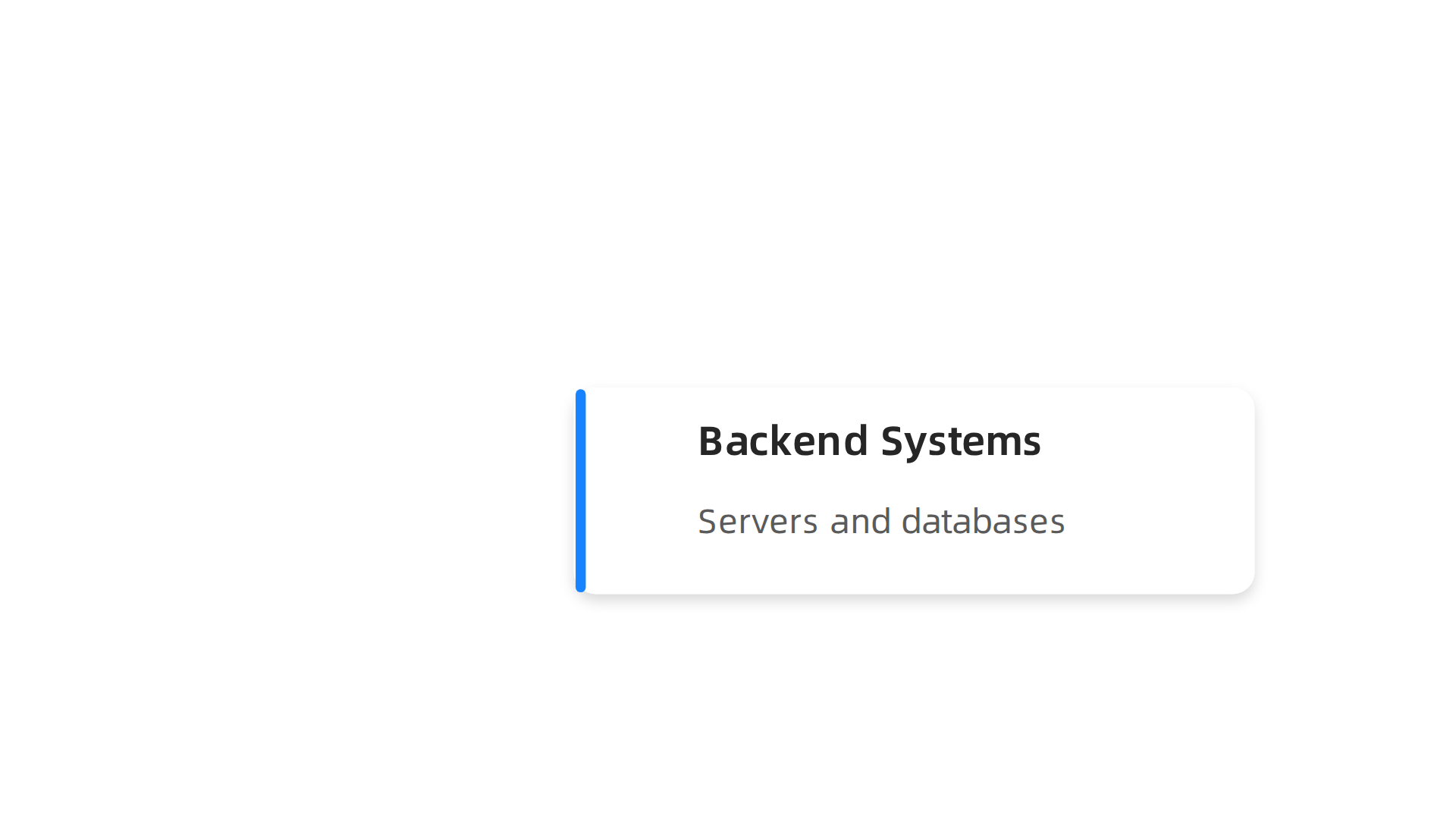
- Backend and Systems: Many software engineers work on the hidden parts of systems, like servers and databases. They might use languages like Java, Python, or C++ to build robust and efficient backend services. This often involves making sure systems can handle a lot of users and data without breaking down.
- Infrastructure Engineering: This involves building and managing the foundational technology that software runs on, including cloud platforms like AWS. A strong understanding of how to build cloud infrastructure with code is a key skill here.
- AI and Machine Learning: If you’re interested in being an AI engineer, you’ll need to know about special tools and frameworks for creating smart systems that can learn. Python is very popular here, along with libraries like TensorFlow or PyTorch. Keeping up with engineering technology trends in 2026 is crucial for these roles.
- Embedded Systems or Mainframes: For more niche roles, like working with tiny computers inside devices or large, powerful mainframe developer jobs, you’d need specific languages and a deep understanding of hardware.
While many skills are important for a software engineer, no single skill shows up in the majority of job postings as a "must-have" in 2026. Python is the most wanted skill, but it’s not strictly required in every job, which shows how diverse this field is Software Engineer Skills Companies Want in 2026.
Full Stack Developer: Broad Generalist Stacks
A full stack developer needs a wider set of tools to build a whole application from front to back. They typically work with what’s called a "tech stack," which is a group of technologies that work well together.
- Front-End Essentials: This includes HTML, CSS, and JavaScript. In 2026, many jobs also require knowing popular libraries like React. Actually, React is the single most common skill, showing up in more than half of all full stack job postings Full-Stack Developer Skills in 2026.
- Back-End and Databases: On the back end, Node.js with JavaScript or TypeScript is very common. Knowing how to work with databases like SQL is also key. For example, if you’re looking for full stack Java developer jobs, you’d combine Java for the back-end with front-end skills. In 2026, employers expect full stack developers to understand how to build everything from the user interface to APIs, databases, and even how to deploy software to the cloud Full Stack Developer Jobs in 2026.
- Modern Practices: Today’s full stack roles also require understanding things like component design, how to manage data in an app, making sure websites are easy for everyone to use (accessibility), and even basic infrastructure setup.
Most full stack developer jobs in 2026 want specific tools like JavaScript, React, Node.js, and SQL. This means knowing these tools is super important for getting past resume checks Full Stack Developer Career Statistics for 2026.
Important Non-Technical Skills for Both
Beyond coding languages, employers highly value "soft skills" for both types of roles.
- Problem-Solving: This is number one. Most employers say problem-solving is the most crucial skill, even more than knowing a specific technology Top 18 Must-Have Skills for Full Stack Developers in 2026.
- System Thinking: This means being able to see how all the different parts of a software system fit together and work.
- Communication: Being able to explain complex ideas clearly to teammates and others is vital for success. Good documentation and clear conversations make a big difference.
- Teamwork: Working well with others, whether it’s on a small team or across many different teams, is always important.
No matter if you choose to be a software engineer or a full stack developer, continuous learning is a must.

The tech world changes fast, and keeping your skills sharp, especially with new tools like AI, will help you succeed. Get clear daily AI updates from The AI Newsletter Worth Reading.
After understanding the different skills needed, you might wonder where each path can lead. Choosing between a software engineer vs full stack developer role shapes your career in unique ways. Both paths offer lots of chances to grow and specialize.
Career Paths & Specializations: Where Each Role Leads
Your choice of becoming a software engineer or a full stack developer often means taking different roads for your future job roles and specialties. Some people like to go very deep into one area, while others prefer to know a bit about everything and lead from a broader viewpoint.
Software Engineer: Deep Dive into Specialty Roles
Software engineers often grow by becoming super experts in a specific part of software development. Think of it like being a specialist doctor.
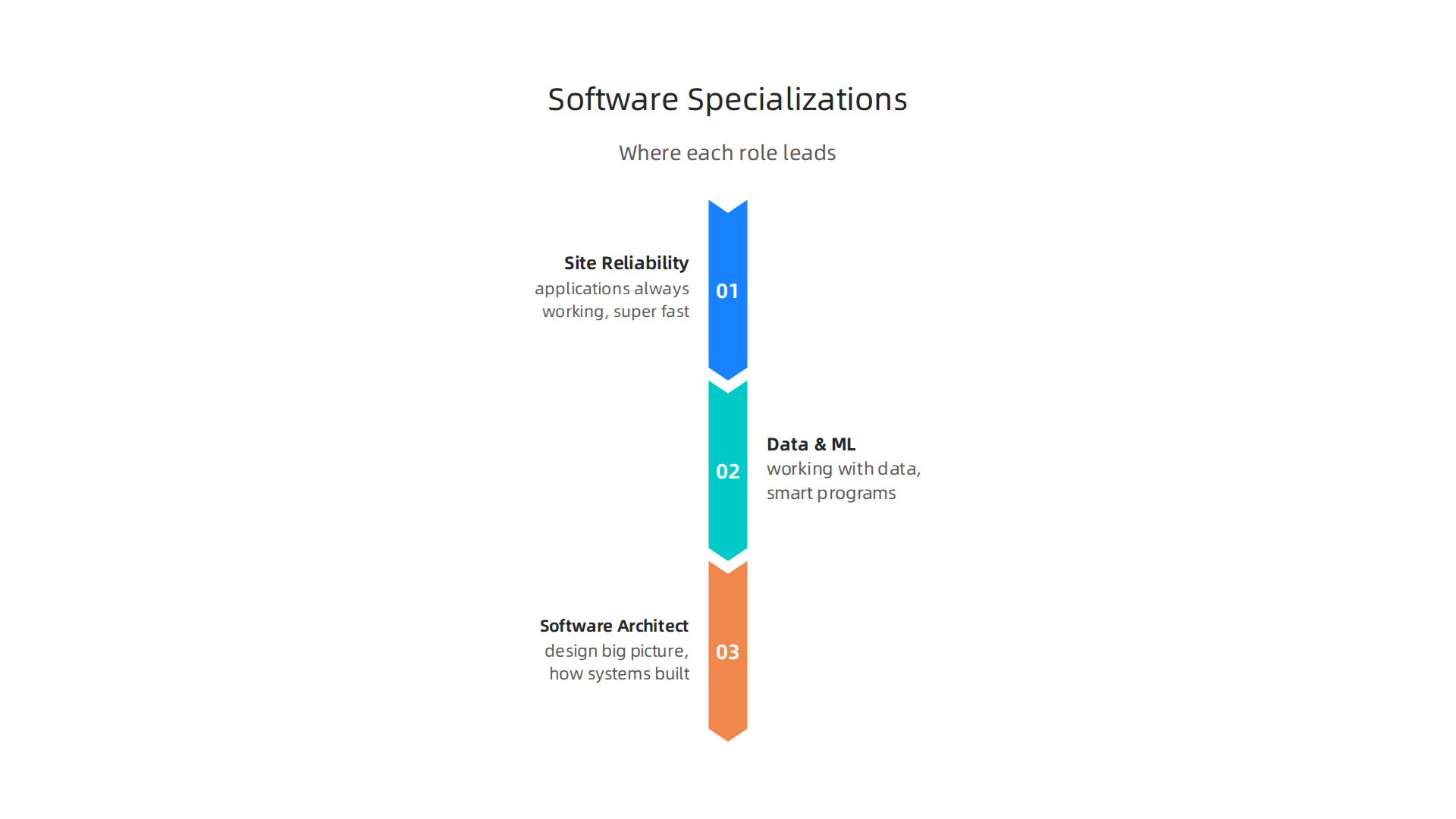
- Site Reliability Engineer (SRE): These engineers focus on making sure websites and applications are always working and super fast. They combine coding skills with knowing how to manage big computer systems.
- Data and Machine Learning Engineer: If you like working with data and making smart computer programs, this path is for you. An AI engineer often falls into this group, building systems that learn from information. They help create the "brains" behind new technologies.
- Software Architect: This is a higher-level role where you design the big picture of how a software system should be built. You plan out how all the different parts will work together.
Companies often need specialized developers when their projects get very big and complex. For example, if you’re building a massive online service, you’d likely need teams of specialists for different parts, rather than just generalists working on everything at once Full-stack vs specialised developers for SaaS.
Full Stack Developer: Becoming a Broad Leader
Full stack developers often take a path that keeps them connected to all parts of a project. They might become leaders who guide teams through building whole products.
- Product-Centric Engineering: This means you own a product from start to finish. You might build the user-facing parts, the hidden server parts, and make sure it all works for the people using it. This is really useful for startups or small teams that need people who can do a lot of different tasks The Complete Full-Stack Developer Roadmap for 2026 🚀.
- Engineering Generalist Leadership: Full stack developers often lead smaller teams because they understand how every piece fits. They can easily talk to both front-end and back-end team members, helping everyone work together smoothly. If you’re wondering how to be a developer who influences entire products, this could be your path.
This doesn’t mean you won’t specialize a little, but your main focus stays on the overall product. For instance, some people might focus on full stack Java developer jobs that use Java for the backend but still require strong front-end skills.
How Careers Grow: Seniority and Moving Around
No matter if you are a software engineer vs full stack developer, your career typically grows in stages. You might start as a Junior Developer, then become a Mid-Level, then Senior, and then perhaps a Staff or Principal Engineer. These titles usually mean you have more experience, more responsibility, and you help others on your team.
- Vertical Moves: This is when you move up within the same type of role. For example, a Junior Software Engineer becomes a Senior Software Engineer.
- Lateral Moves: This is when you switch to a different but related role. A software engineer might move into a Project Manager role, or a full stack developer might decide to focus only on front-end work for a while. You might also find specialized niches like mainframe developer jobs which are a very specific type of software engineering.
The important thing is that both paths offer many ways to grow and find a job that truly fits what you love to do. The best career choice depends on whether you like digging deep into one topic or prefer to work across many areas.

The best career choice depends on whether you like digging deep into one topic or prefer to work across many areas. So, when should you pick a full stack path, and when is specialized engineering a better fit? The answer really depends on where a company is starting, how big it is, who is on the team, and what your own career dreams are.
When to Choose Full Stack vs Specialized Engineering
Deciding between becoming a software engineer vs full stack developer is a big step. It shapes your work life. This choice involves thinking about the company’s needs, how complex their product is, and what you want for your future.
Company Size and Product Stage
For new companies or small businesses, full stack developers are often a perfect fit. They can build many parts of a project without needing a big team. One full stack developer can sometimes do the job of a few specialists, especially when a product is just starting or growing quickly. This is a big reason why full-stack development is seen as the "new norm" in 2026 for smaller operations Full-Stack Developers: The New Norm in 2026.
However, as a product grows and becomes more complex, companies often need specialized engineers. If a product starts having issues with how fast it works or how it’s built, hiring specialists can help fix these specific problems. When a product is complex, and you have different parts like a front-end (what users see) and a back-end (what runs behind the scenes) that are separate, specialized developers become more important Full-Stack vs. Specialized Developer: Which to Hire for Your Stage?.
Team Makeup and Hiring
It’s not always about picking one over the other. Many teams find success by having a mix of both. They might have a few full stack developers who can connect all the parts, along with specialists who are experts in areas like database management or user interface design. Finding the right mix depends on the project’s needs and what skills the team already has Balancing Team Structure in Software Development: Full-Stack vs ….
Your Own Career Path
Think about what makes you happy at work.
- For Depth: If you love to dive deep into one topic, like making computer systems super fast or designing complex data programs, then being a specialized software engineer is probably for you. You become the go-to person for specific, hard problems, building strong technical authority.
- For Breadth: If you enjoy seeing the whole picture, bringing different parts of a project together, and leading teams to build complete products, then full stack development could lead to more leadership roles. You get to understand how everything connects.
Both paths offer great job chances in 2026. The best fit depends on whether you prefer to be a super expert in one area or a skilled helper across many. No matter your choice, staying updated on the latest development skills is key. You can find out more about the important skills every developer needs in 2026 by reading about software developer skills 2026 what every developer must master.
To stay on top of all the fast changes in the tech world, especially with AI, it is super helpful to get daily updates.
Get clear daily AI updates from The AI Newsletter Worth Reading.
How to Transition: Training, Projects, and Portfolio
Learning new skills or changing your career path in tech can feel like a big challenge. But with the right steps, you can move from one type of developer role to another, like from a specialized software engineer to a full stack developer, or even start fresh. The key is to have a clear plan for learning, building, and showing off what you can do.
1. Learn the Right Skills
First, figure out what skills you need. If you are aiming to be a full stack developer, you’ll want to learn a mix of front-end and back-end skills. A good path for 2026 often starts with these basics:
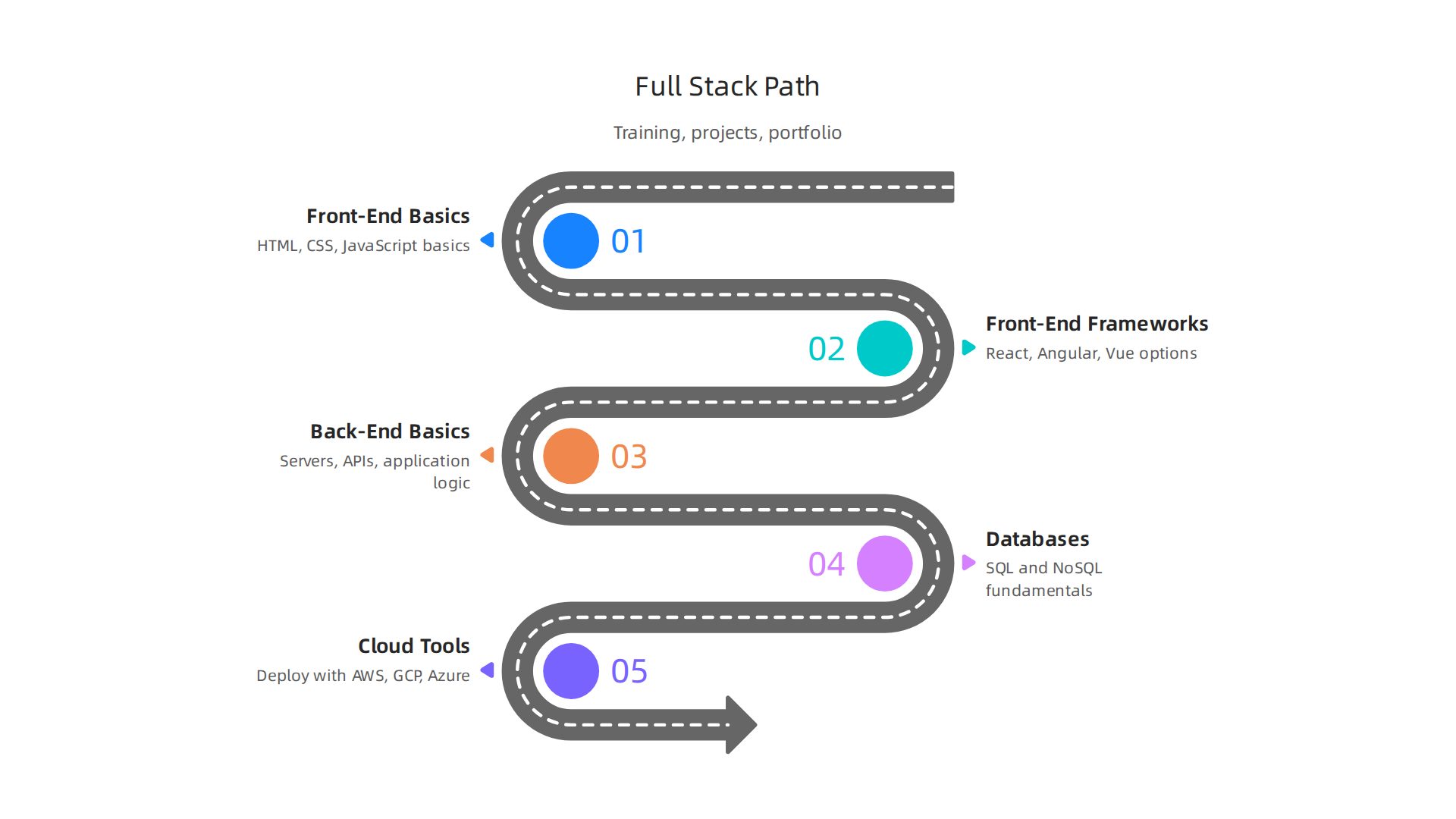
- Front-End Basics: HTML, CSS, and JavaScript are the building blocks for anything you see on a website. You need to know these well.
- Front-End Frameworks: After the basics, you’ll learn tools like React or Angular. These help you build websites faster and more easily.
- Back-End Basics: This involves understanding how websites talk to servers and databases. You’ll learn about things like APIs, which are like messengers between different parts of a website. Learning about databases is also important to store information.
- Databases: Knowing how to work with databases to save and get data is a core skill for any full stack developer.
- Cloud Tools: Many companies use cloud services like AWS. Learning how to put your projects online using these tools is a big plus.
Many roadmaps suggest you can become job-ready as a full stack developer in about 6 to 9 months if you practice regularly How To Become a Full Stack Developer in 2026 (Full Roadmap). You can also look for more specific learning plans to become a full stack developer in 2026. If you’re wondering how to find the best places to learn these skills, it’s smart to check out guides on how to choose the best web development class online in 2026.
2. Build Projects that Show Your Skills
Learning is one thing, but showing you can use what you’ve learned is another. Projects are super important.
- Start Simple: Begin with small projects, like a to-do list app, a calculator, or a simple game. This helps you use your new skills in real situations.
- Build Full Projects: As you get better, create projects that use both front-end and back-end skills. For example, build a small online store or a blog platform where users can post messages. These projects show you can handle both sides of development.
- Include AI: With AI being so important in 2026, try to add some AI features to your projects, even simple ones. This could be anything from a smart search bar to a tool that helps create text.
3. Create a Strong Portfolio and Prepare for Interviews
Your portfolio is your collection of work. It’s how you show companies what you can do.
- Showcase Your Best Work: Put your best projects online. Explain what each project does, what technologies you used, and what challenges you overcame.
- Use GitHub: This is a website where developers share their code. Keep your project code here so potential employers can see it.
- Practice Interviews: Get ready for different kinds of interview questions. You might be asked about coding, how you solve problems, or how you work with a team. Practice talking about your projects and how you learned from them.
Whether you aim to be a full stack developer, an AI engineer, or look into other areas like mainframe developer jobs, following these steps will help you transition smoothly and find the right job in 2026.
Compensation, Demand, and Hiring Trends
After you have learned the right skills and built up your portfolio, the next step is to understand what jobs are out there and how much they pay. This helps you choose the best path, whether you want to be a software engineer, a full stack developer, or something else.
Understanding Job Market Demand
In 2026, the demand for different kinds of developers is always shifting. For example, the need for full stack developers is very strong. Job postings for full stack developers have grown a lot, about 35% year-over-year Full Stack Developer Demand in 2026 | Career Growth. Companies like full stack developers because they can work on both the front-end (what users see) and the back-end (what makes it all work). This means they can handle many parts of a project.
On the other hand, the demand for a general software engineer can be a bit tricky. While there is a huge need for specialized roles like an AI engineer, general entry-level software engineer jobs have become less common since 2023 Software Engineering Job Market 2026: Data, Trends and …. This shows that having a broader skill set or a very specialized one is often preferred. Employers are increasingly looking for developers who can work across different parts of a project, rather than just knowing one specific area 2025 job market outlook & salary guide.. If you want to dive deeper into these trends, check out our guide on the Developer Job Market 2026 The Transformation of Skills and Roles.
Compensation Trends and Salary Differences
Now, let’s talk about pay. When comparing a software engineer vs full stack developer, salaries can look a bit different. In the US, a general software engineer might earn a median base salary of around $140,000, which is about $10,000 more than a full stack developer at $130,000 Software Engineer vs Full-Stack Developer: React Splits the Title. However, these are just averages, and many things can change your actual pay.
For example, specializing in certain areas pays off. An AI engineer is one of the highest paid roles, with some earning up to $280,000 annually in the U.S. 2026 Developer Salary Guide: Benchmarks by Role, Location …. Even within full stack roles, those who master popular stacks like React and Python can earn more Software Developer Salary Report 2026 (2500+ Real …). So, if you’re looking at full stack Java developer jobs, the specific skills in demand will affect your earnings.
Experience also matters a lot. Senior roles typically pay 28% to 45% more than mid-level roles Software Developer Salary Report 2026 (2500+ Real …). Where you live also makes a big difference; developers in California and Washington often see salaries over $170,000 Software Developer Salary Statistics 2026: Pay by Role. Even for remote-first jobs, the pay might be 5-8% less than jobs tied to a specific location 2026 Remote Developer Salary Benchmark Report. Knowing these trends can help you negotiate your salary.
To stay on top of these fast-changing trends, especially in AI, it’s wise to keep learning. Get clear daily AI updates from The AI Newsletter Worth Reading to help you keep your skills sharp.

Summary
This article explains the practical differences between a software engineer and a full stack developer in 2026 and why that distinction matters for your career choices. It covers day-to-day responsibilities, typical tech stacks, and the deeper specialties software engineers pursue versus the broad, product-focused work full stack developers do. The guide outlines which skills employers look for now—both technical (React, Node.js, cloud, AI tools) and non-technical (problem-solving, system thinking, communication)—and shows how those skills shape career paths, pay, and hiring demand. You’ll learn when companies favor generalists or specialists, concrete steps to move between roles (learning, building projects, portfolio and interview prep), and what to expect for compensation and market trends. Read this to decide the best path for your strengths, target the right job listings, and plan learning and projects that get you hired in 2026.