

Why context engineering vs prompt engineering matters for modern development teams
In 2026, many teams building with AI often talk about "prompt engineering." It’s a big deal for getting AI to do what you want. But there’s also "context engineering," which is a newer and even bigger idea. It’s easy to get these two mixed up. Knowing the difference between context engineering vs prompt engineering is super important for modern development teams today.
Prompt engineering is about writing the best questions or instructions for AI models. Think of it as telling the AI exactly what to do in a clear way. But context engineering is about giving the AI all the background information it needs to understand the task deeply. This includes system instructions, tool outputs, and memory, as explained in a 2026 discussion on Is Prompt Engineering Still Worth It in 2026?. It’s not just the prompt itself, but everything the AI "sees."
For engineering teams working with tools from companies like Stability AI or Creatify AI, or dealing with unfiltered AI insights, this difference matters a lot. It helps you build stronger, more reliable AI systems. If you’re looking at how to evaluate and integrate generative AI platforms for developer teams, then understanding this distinction is a must.
This article will give you a simple, helpful way to look at both. It will help engineers, managers, and technical leaders decide if prompt engineering or context engineering is the right fit for their specific project.
Want to stay ahead with AI news and get clear daily updates?
The AI Newsletter Worth Reading
What is prompt engineering? A practical definition for engineers
As we talked about, getting AI to work just right means understanding how we talk to it. While context engineering looks at the whole picture, prompt engineering is more focused. For engineers in 2026, prompt engineering is all about designing and fine-tuning the inputs, or "prompts," you give to large language models (LLMs) and other generative AI. It’s like being a careful chef, making sure your instructions to the kitchen (the AI) are so clear and precise that you get exactly the dish you want.
Think of prompt engineering as the special link between what a human wants and what the AI gives back. It turns your goals into clear instructions the machine can understand. This helps make sure the AI’s answers are correct, fit the situation, and are useful, as explained in a detailed guide for 2026 about Prompt Engineering for Generative AI. It’s not just about typing a quick question. It’s an ongoing process of crafting, testing, and making prompts better to get the best results from AI models, according to an ultimate guide to Prompt Engineering in 2026.
For development teams, this means mastering a few key tasks:
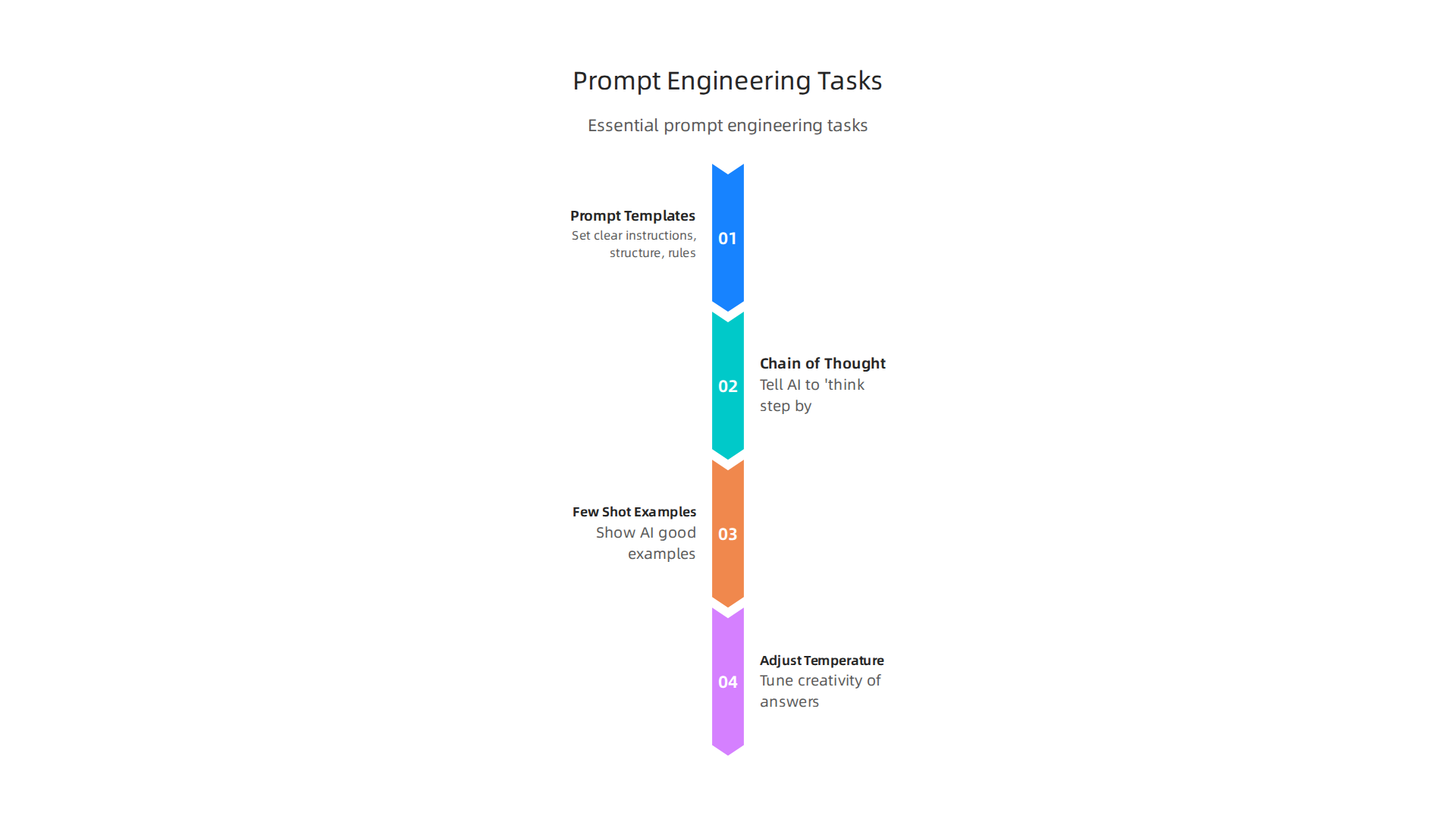
- Making prompt templates: This involves setting up clear instructions, structure, and rules for the AI. It’s like creating a fill-in-the-blanks form that guides the AI on what to do.
- Using chain-of-thought prompting: For harder problems, you might tell the AI to "think step by step." This helps the AI break down complex tasks and show its reasoning, leading to more accurate answers. Many prompt engineering techniques apply this, including those highlighted in the Prompt Engineering Guide (2026).
- Giving few-shot examples: Sometimes, showing the AI a few good examples of what you want is better than just telling it. These "shots" help the AI understand the pattern you’re looking for.
- Adjusting settings like "temperature": This is about tuning how creative or wild the AI’s answer can be. A low temperature means more direct, factual answers, while a higher temperature allows for more creative, varied responses.
Becoming good at prompt engineering is an important skill for software developers today. It helps teams get more out of AI tools, whether they are working with systems from companies like Stability AI or Creatify AI. It’s also a key part of the software developer skills 2026 list, as more jobs require working closely with AI. If you’re using AI for tasks like content creation, coding help, or data analysis, how well you "prompt" the AI directly impacts the quality and helpfulness of its output. For more insights on refining these interactions, consider exploring Optimizing Interactions with Language Models (2026 Guide).
What is context engineering? Moving beyond prompts to production contexts
While prompt engineering helps us talk to AI clearly, context engineering is about something bigger. Imagine you’re writing a report. Prompt engineering is like writing the perfect question for that report. Context engineering, though, is making sure you have all the right books, notes, and background information ready for the AI to use when answering your question. It’s about designing and managing all the extra information the AI needs to do its best work.
For engineers in 2026, context engineering means building smart systems that gather and present this "background info" to AI models. This can include many things, such as:
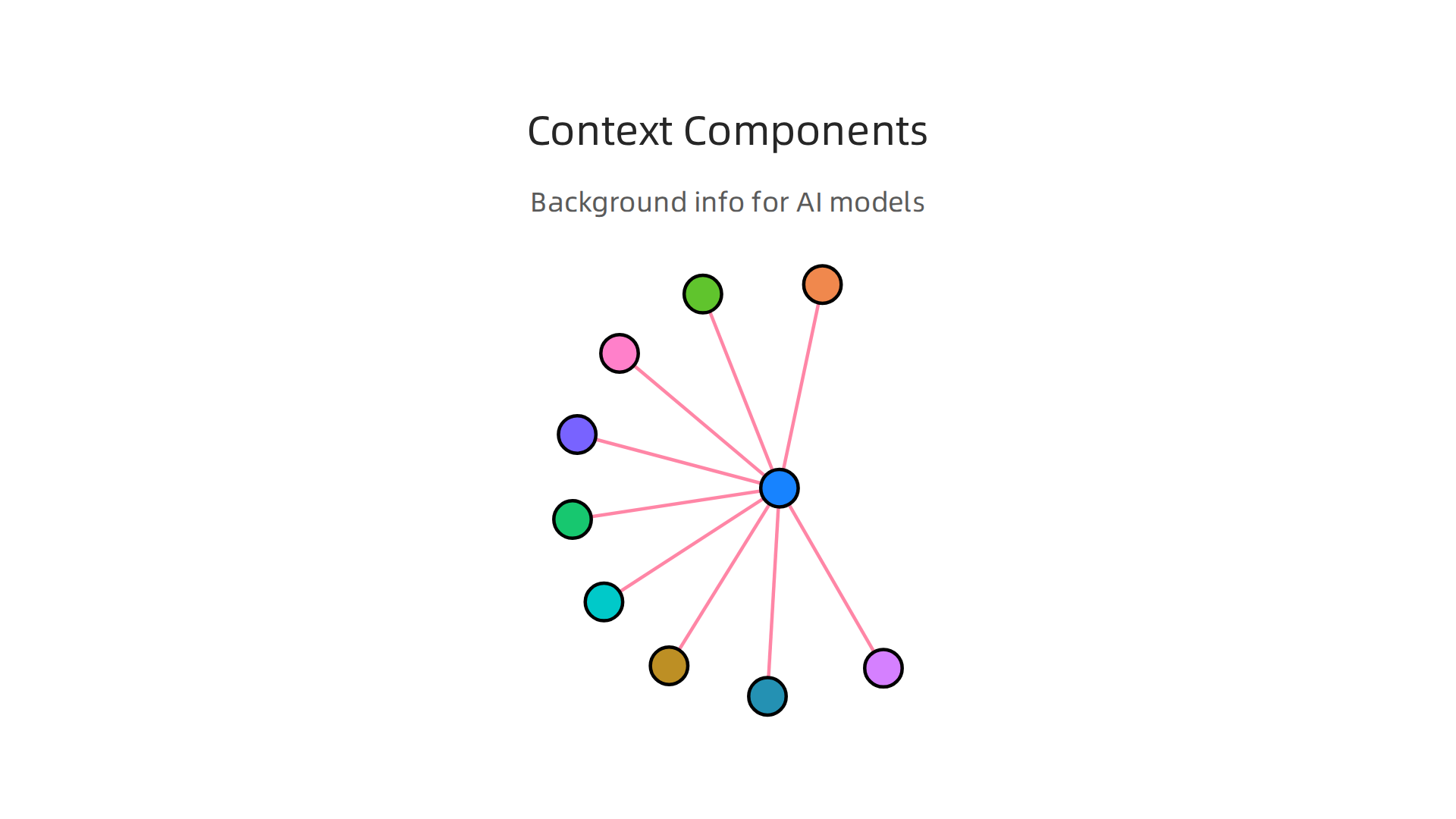
- Documents: Like old reports, manuals, or research papers.
- Memory systems: To remember past conversations or user likes and dislikes.
- Retrieval systems: Ways to quickly find the most important pieces of information from huge databases.
- Tooling hooks: Allowing the AI to use other programs or access live data, like checking a weather app.
In short, context engineering is the practice of figuring out what information an AI needs, when it needs it, and how that information should be set up, as explained in a context engineering guide for AI teams 2026. It’s more than just a clever prompt; it’s a whole system to make AI useful in real-world situations. In fact, many in the field see context engineering as the skill replacing prompt engineering in 2026.
Why context engineering matters for big projects
Prompt-only ways of working with AI often run into problems when you need the AI to do big, important tasks. Context engineering helps solve these issues:

- Scale: When an AI needs to handle lots of different types of information or answer many people at once, simply writing a longer prompt doesn’t work. Context engineering builds systems that can find and manage vast amounts of data efficiently. This is why many production AI systems in 2026 are shifting to context engineering, with some reports showing it replaces RAG in 60% of Q2 2026 Agent setups.
- Latency (Speed): If an AI takes too long to respond, people won’t use it. By smartly organizing and retrieving context, engineers can make sure the AI gets the right information fast, leading to quicker answers. Tools that help with context offloading, reduction, and retrieval are key here, as detailed in guides about Context Engineering: What It Is + How to Do It (2026).
- Security: You don’t want an AI sharing private company secrets or customer data. Context engineering helps control exactly what information the AI can see and use, keeping sensitive data safe. This is especially important for companies using powerful AI systems like unfiltered ai.
This focus on the whole "information environment" around the prompt is the big difference in the context engineering vs prompt engineering discussion. It’s about moving from just asking questions to building complete, reliable AI systems that can handle real-world needs. To learn more about how this applies to development, check out this context engineering guide for agile and DevOps teams.
Stay ahead in the fast-changing world of AI. Get clear daily AI updates by subscribing to The AI Newsletter Worth Reading.
Key technical differences: latency, determinism, and observability
When we look closer at the ways AI systems work, especially in the context engineering vs prompt engineering debate, we find some important technical differences. These differences really stand out when we think about how fast an AI responds, how reliable its answers are, and how easy it is to watch and understand what the AI is doing.
Response speed (Latency)
Prompt engineering can sometimes be quick for simple tasks, but it struggles with speed when things get complex. If you pack too much information into a prompt, the AI has to read and process everything each time. This can make the AI slow down, especially for big systems that need to answer many people at once. We measure this with something called "time-to-first-byte," which is how long it takes for the AI to give its first bit of an answer. When the prompt is very long, this time can increase.
Context engineering, on the other hand, aims to keep things fast. It uses smart systems to find only the most important pieces of information. This means the AI doesn’t have to read a huge, long prompt every time. Instead, it gets small, focused bits of data from specialized tools like vector databases. These databases are designed to find information super fast. Benchmarks for vector databases in 2026 often show how different ones perform on query latency, which is key for quick AI responses.
Predictable answers (Determinism)
Determinism is about how predictable an AI’s answers are. If you ask the same question twice, will you get the same answer?
With prompt engineering, especially when prompts are very long or change often, it’s harder to get the same answer every time. A tiny change in how the prompt is written, or even the order of information, can lead to different results. This "response variability" makes it tricky to test AI systems and ensure they always do what you expect.
Context engineering helps here by giving the AI a more structured and controlled environment. Because the background information is managed by systems, it’s presented to the AI in a consistent way. This makes it easier to reproduce results. When you know exactly what information the AI had, you can better understand why it gave a certain answer. This careful management helps ensure that AI tools like those from unfiltered ai, stability ai, or creatify ai provide more consistent output, which is very important for serious applications where mistakes could be costly. This structured approach helps teams test AI more effectively to see how the system reacts to different inputs, as explained in guides comparing Context Engineering Over Prompt Engineering: The 2026 RAG Architect methods.
Seeing what’s happening (Observability and monitoring)
Observability is about being able to understand the inner workings of your AI system. How easy is it to know why an AI gave a certain answer or if something went wrong?
For prompt-only systems, it can be hard to see inside. If the AI makes a mistake, it’s tough to know if the prompt was bad, if the AI model misunderstood, or if some hidden bias was at play. Logging and monitoring might just show the prompt and the answer, without much detail on the "thinking" process.
Context engineering builds systems that help you see more. Because information is pulled from different sources and processed through various layers (like knowledge retrieval layers and memory management layers), you can track how each piece of information was found and used. This means better logging and monitoring. You can see which parts of the "context" were given to the AI, which tools it used, and how it processed everything. This improved visibility is critical for fixing problems and making sure the AI works as intended. Engineers need to make strategic choices for developer tools and cloud platforms in 2026 to ensure they have the right observability capabilities. Having good observability is a must for building reliable and trustworthy AI solutions in 2026.
Making sure AI systems work well means looking at how teams build and use them. This involves understanding when to use prompt engineering for quick ideas and when to use context engineering for stronger, more reliable tools. It’s all about how these methods fit into the path from an idea to a finished product.
Different ways to build AI systems
How teams use prompt engineering and context engineering often changes as they build something.
- Starting with Prompt Engineering (Prototyping): When an idea is new, teams often use prompt engineering first. It’s like sketching an idea quickly. Developers or prompt engineers can try out different prompts to see what works best. This helps them learn fast and change things easily, especially for AI tools like those from unfiltered ai or creatify ai. It’s about being flexible and trying many things without a lot of setup.
- Making it Strong with Context Engineering (Hardening): Once an idea looks good, the team moves to make it strong and reliable. This is where context engineering becomes very important. It means building systems that give the AI the right background information every time. This helps the AI give predictable answers, which is key for real-world use. Think of it like turning a sketch into a detailed blueprint. This approach adds stability ai to the AI’s responses and helps meet strict quality rules.
- Combining Both (Hybrid Approaches): Many teams use both. They might start with prompts to explore, then slowly add context engineering as the project grows. This way, they get the speed of prompts at the start and the reliability of context engineering later on. This mix helps them manage the entire delivery pipeline better.
Who does what: roles and teamwork
Building AI applications needs different people working together.
- Developers and Prompt Engineers: These are the people who often start by crafting prompts. They explore how the AI responds and try to make it smarter with better instructions. They might work closely with users to understand what is needed.
- ML Engineers: These engineers focus on the AI models themselves and building the context systems. They make sure the AI can get and use information properly. They are key in moving from simple prompts to more complex context engineering setups. They also help set up ways to check if the AI is giving good answers consistently.
- MLOps and SRE (Site Reliability Engineers): Once the AI system is built, MLOps teams help get it ready for everyone to use. They set up pipelines for testing and releasing new versions smoothly. SREs then make sure the AI system keeps running well without problems. They use special checks, like "canary testing," where a new AI version is tried out on a small group before everyone gets it. This helps catch any problems early, as explained in guides on canary testing for LLMs. Using these methods, teams can catch issues early and ensure their AI tools are safe and perform well for all users.
To learn more about how to bring new AI features to life with careful checks, consider exploring articles on AI-Native CI/CD for LLM Features 2026. It’s all about making sure that the steps from developing to releasing an AI product are smooth and reliable.
As the world of AI changes quickly, staying updated is super important. Keeping up with new tools and best ways to work can feel like a big job. If you want to dive deeper into how different AI platforms work, you might find it helpful to learn how to evaluate and integrate generative AI platforms.
Stay informed about the fast-moving AI landscape and discover essential insights. The AI Newsletter Worth Reading offers daily updates that cut through the noise.
To make sure AI products work smoothly and reliably, we need special tools and methods to build what we call the "context layer." This is a big part of successful context engineering. It helps the AI get the right background information every time it needs to give an answer.
Here are some key parts of building this context layer:
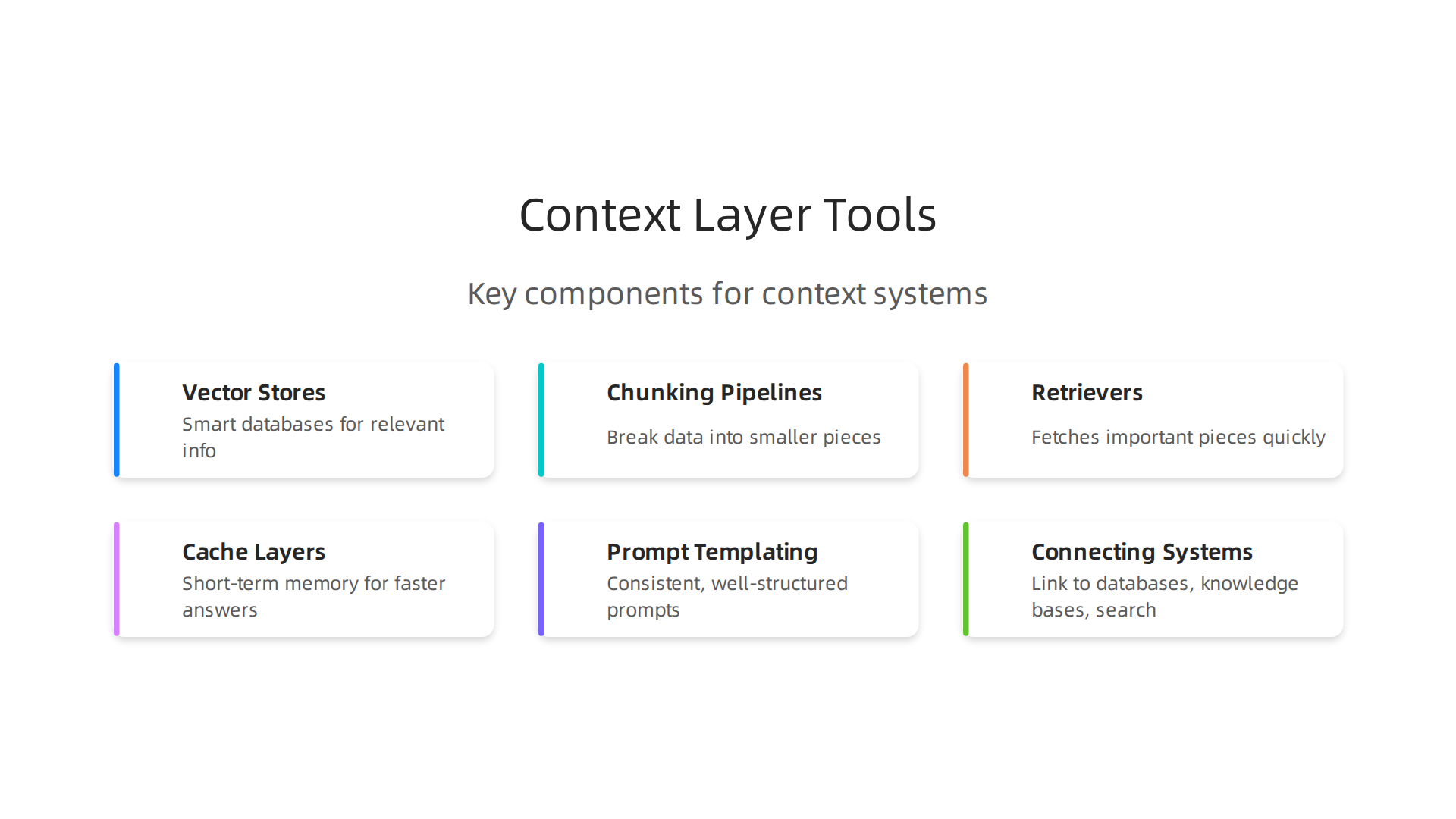
Vector Stores
Imagine you have a huge library of facts, documents, or images. For an AI to quickly find what it needs from this library, it uses something called a vector store. These are like smart databases that can store information in a way that helps the AI understand how things relate to each other. When an AI needs to know something, it asks the vector store, which then finds the most relevant information very fast. In 2026, many teams use tools like Pinecone, Qdrant, and pgvector to build these smart storage systems. If you want to compare them, you can find a complete comparison guide for best vector databases in 2026.
Chunking Pipelines
AI models often can’t handle very long pieces of text all at once. So, a chunking pipeline takes big documents or data and breaks them down into smaller, easier-to-manage "chunks" or pieces. This makes it easier for the AI to process the information and find specific details.
Retrievers
Once information is stored in a vector store and broken into chunks, a retriever is the tool that goes and fetches the most important pieces when the AI has a question. It works like a super-efficient librarian, pulling out exactly what the AI needs to create a helpful response.
Cache Layers
To make AI systems even faster and more efficient, we use cache layers. These are like a short-term memory for the AI. If the AI has answered a similar question before, the cache layer remembers that answer. This saves time and computing power because the AI doesn’t have to look up the same information from scratch every time. This helps add to the overall stability AI tools need.
Prompt Templating Libraries
Even with great context, the way you ask an AI a question matters. Prompt templating libraries help developers create consistent and well-structured prompts. This means the AI gets the question in the best possible format every time, leading to more predictable and useful answers. These libraries are important for maintaining quality as teams move from simple prompt engineering to more detailed context engineering.
Connecting to Other Systems
Building a strong context layer also means connecting these new AI tools with existing company systems. This includes:
- Databases: Linking to your regular databases, where important customer information or product details are stored. Learning about cloud services examples compute storage and databases explained can help understand how these fit together.
- Knowledge Bases: Connecting to internal wikis, manuals, and frequently asked questions that hold valuable company knowledge.
- Search Systems: Making sure the AI can use existing search tools to gather even more information.
By putting all these pieces together, software teams can build powerful AI applications that are not just smart but also reliable. This approach is key for developers making strategic choices for developer tools and cloud platforms in 2026. It shows how context engineering helps create AI systems that provide consistent and trustworthy answers, making them valuable for everyday use. To go even deeper into this topic, consider reading context engineering the 2026 guide for agile and devops teams.
Building powerful AI systems is great, but we also need to think about how we use them. This is where rules, safety, and ethics come in, especially when we look at the choices between context engineering and prompt engineering.

It’s about making sure our AI tools are not just smart, but also fair and trustworthy.
Privacy and Data Handling
Context engineering often involves storing and retrieving a lot of data. This means we have to be super careful about privacy. Think about sensitive customer information or private company documents. Where is this data kept? Who can see it?
With basic prompt engineering, data is usually given directly to the AI each time. This might seem simpler, but if sensitive data is typed into prompts, it can still be logged and stored by the AI provider, raising privacy concerns.
A big benefit of context engineering is that it gives us more control over where data lives (data residency) and how much data we keep (data minimization).
We can choose to store data in specific regions to follow local laws or only keep what’s truly needed. This helps with rules like GDPR, which sets strict guidelines for data handling. In fact, privacy impact assessments should be a must for AI systems that deal with personal information, as many experts agree in 2026, making privacy the foundation of responsible AI governance Privacy as the Foundation of Responsible AI Governance.
Good data governance for AI means limiting sensitive data in prompts and classifying it before it even enters AI systems Data Governance for AI in 2026: Privacy, Residency … – Fracto. This is key for companies aiming for a Mastering Privacy in 2026: AI & Governance Roadmap. We need to ensure that personal data is only kept as long as necessary and then safely deleted or made anonymous, as highlighted in the June 2026 Edition (AI Governance – Global Privacy Watchdog).
Auditability and Compliance
When AI makes important decisions, we need to know why and how. This is called auditability. Context engineering can make auditability much better. Because the AI’s "memory," or the context layer, is structured, we can track exactly what information it used to form an answer. This is like having a clear paper trail for every decision an AI makes. For instance, systems can have AI Agent Memory Governance: Access, Audit, and Best Practices to ensure they meet important compliance standards.
Compared to ad-hoc prompt engineering, where an answer might come from a less traceable chain of thought, context engineering offers a clearer view. This is very important for regulatory compliance, especially with new rules like the EU AI Act in 2026. This act requires quality controls and bias checks on data used by high-risk AI systems, including the data retrieved for context. Keeping up with Global Data Privacy Laws 2026: Cross-Jurisdiction is critical for many businesses.
Many companies are now looking into guides like The Ultimate Guide to Data Governance | Blog to help them manage data properly for AI systems and meet all current regulations.
Ethical Trade-offs
The way we design context layers can also impact fairness and prevent bias. If the data used in the context layer is biased, the AI’s answers will also be biased. This is a risk for both prompt engineering and context engineering, but context engineering allows for more systematic checks and balances.
For example, a company developing an AI like Creatify AI or Stability AI needs to ensure their underlying data doesn’t lead to unfair or harmful results. This involves thoughtful data selection, careful training, and ongoing monitoring. The decision between simple prompt engineering and more complex context engineering often involves weighing the need for quick, flexible answers against the need for verifiable, ethical, and compliant AI behavior. For teams, it’s about finding ways to Balance AI Productivity with Responsible AI Practices for Software Teams. This careful balance is key to building trusted AI.
Understanding the difference between context engineering vs prompt engineering also helps teams make better choices. Learning about Top No Code Machine Learning Platforms and Prompt Engineering Tips for 2026 can help users understand both the power and the responsibilities involved in building AI. As AI becomes more common, especially with tools from companies like Unfiltered AI, understanding these trade-offs is crucial. Engineers and leaders need to consider privacy, data location, and how to check AI decisions when choosing between different ways to build AI systems.
Want to stay on top of the latest in AI and tech? Get clear daily AI updates from [The AI Newsletter Worth Reading](https://subscribe.thedeepview.com/subscribe?utm_term=softwareengineeringnewstoday.com).
Summary
This article explains why modern development teams should look beyond prompt engineering and adopt context engineering to build reliable, production-grade AI systems. It defines prompt engineering as the craft of designing clear inputs for LLMs and contrasts that with context engineering, which builds the background systems—vector stores, retrievers, caches, memory, and tool integrations—that supply models with the right information at the right time. The piece walks through key technical differences (latency, determinism, observability), practical workflows from prototyping to hardening, and the roles (developers, ML engineers, MLOps/SRE) needed to scale work safely. It also covers the required tooling and architecture patterns for a context layer, plus privacy, auditability, and ethical trade-offs you must consider. After reading, engineers and technical leaders will understand when to use prompts, when to invest in context systems, and how to design AI features that are fast, predictable, and compliant.