Why website software design matters for engineering teams today
In 2026, building great websites is more important than ever. But it’s also more complex. Engineering teams need to make sure their websites not only look good but also work perfectly behind the scenes. This means thinking about how you plan, create, and manage your website from the very start. The right website software design approach helps teams build things faster and keep them running smoothly.
Think about it this way: your team needs good tools to do a good job. When it comes to web software design, this means picking the right programs and setting up smart ways to work. If design and engineering don’t work together well, things can slow down, and mistakes can happen. This is why having efficient, maintainable website design workflows is key. It ensures that the design ideas can easily become real, working websites without a lot of extra effort or headaches for the engineers.
Today, many designers are using new tools to help them. For example, over half of designers, about 57.3%, use AI for tasks like making early drafts and plans for websites A Note From the Team – hs.designlab.com. This shows how important modern computer assisted design software has become. Choosing the right software for computer aided design helps teams work better, making sure that design choices fit well with how engineers build and maintain the website. It’s all about smooth integration with existing engineering processes.
This guide will help your team understand the best ways to pick and use design tools for your websites. We will look at how to judge different options, explore different types of tools, and talk about how to make sure they work well with your current engineering methods. We’ll also cover best practices for choosing vendors to ensure you get the support you need. Knowing how to evaluate technology services to prevent failures is just as important in design as it is in any other area of engineering.
Staying updated with the latest in technology, especially AI, can give your team a real edge.
Get clear daily AI updates from The AI Newsletter Worth Reading.
Key evaluation criteria: performance, collaboration, and maintainability
Now that we know how important website software design is, the next step is to understand how to choose the best tools. You need a clear way to judge different options. This means looking at how well a tool helps with performance, how easy it is for everyone to work together, and how simple it is to keep the website updated over time. These are big parts of making sure your web software design choices lead to success.
Here are some important things to measure when picking your tools:
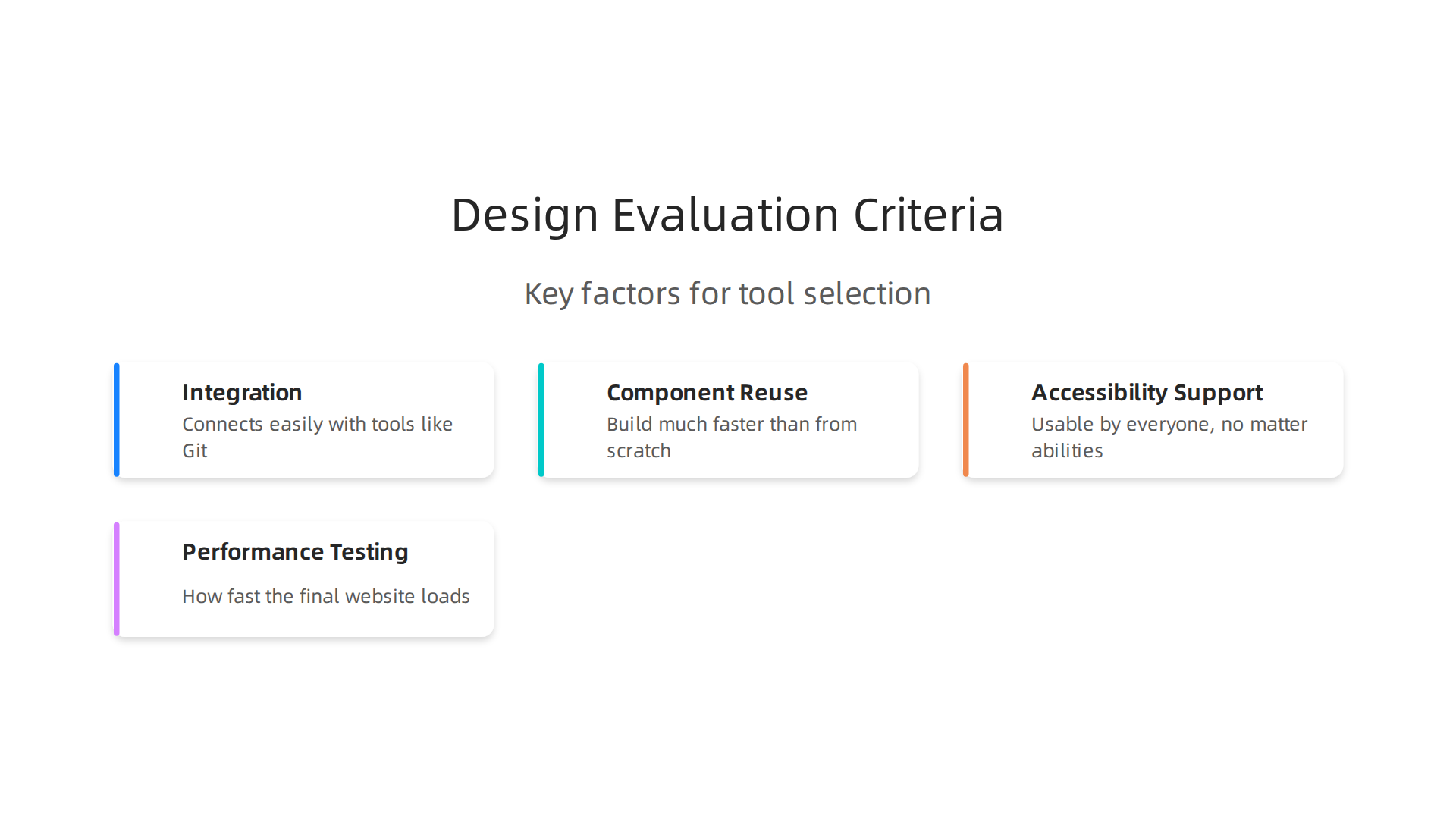
- Integration with Version Control: Think of version control like a "save history" for your work. It lets teams track every change made to a website’s design and code. Good computer assisted design software should connect easily with tools like Git. This helps designers and engineers share work, see who changed what, and fix problems together. It makes collaboration smooth and prevents confusion.
- Component Reuse: Imagine building with LEGO bricks. If you have a box of ready-made bricks (like buttons, menus, or forms), you can build much faster than if you had to make each brick from scratch every time. This is what component reuse is about. Using a design system helps teams reuse parts of the website, which saves time and makes the whole site look and feel consistent. Teams that use design systems can work much faster, making new parts of the website 34% quicker 9 New Design System Examples to Scale Brands in 2026. This is a core part of good website software design.
- Accessibility Support: Every website should be usable by everyone, no matter their abilities. This means making sure people with vision, hearing, or movement challenges can still use your site. Good software for computer aided design helps designers create websites that are accessible from the start. Tools should allow for checking things like color contrast or keyboard navigation early on. For example, some teams focus on small accessibility improvements during a design system migration to help everyone use the site better Product Management – Design System Migration.
- Performance Testing: A slow website is a bad website. Your chosen design tools should help you think about how fast the final website will load. While designers focus on how it looks, the tools should also help engineers build efficiently. This includes making sure the website isn’t too heavy with files or complex code. Poor performance can make a website feel useless, so it’s a key factor to consider during design and development The Web Useless Problem in 2026 Boils Down To Performance And Complexity.
It’s important to remember that there are often trade-offs. Some tools are very easy for designers to use to quickly make pretty pictures or ideas. They might not be as good at exporting "clean" code that engineers can easily use without a lot of extra work. Other tools are built more for engineers, making sure the design can be turned into a well-working website without fuss, but they might be harder for designers to pick up quickly. Choosing the right design tools means finding a balance between what makes designers happy and what makes engineers’ jobs easier, ensuring your strategic choices for developer tools support the whole team.

Choosing the right software for your website’s design means knowing what types of tools are out there. Just like a builder needs different tools for different jobs, your design and engineering teams will use various software types depending on what they’re trying to do. Some tools are great for making pretty pictures, while others help turn those pictures into working parts of a website. Understanding these categories is key for smart website software design choices.
Here are the main types of tools used for web software design:
Visual Design Editors
These are like digital drawing boards for designers. They help create the look and feel of a website, including colors, fonts, and how elements are laid out. Think of them as the go-to tools for User Interface (UI) design. Designers use them to make mockups and static images of web pages. For example, Figma is a very popular tool in this space, holding a significant share of the UI/UX design tool market in 2026 Web Design Statistics: Market Data Report 2026. These tools are often preferred by graphic designers and UI specialists for their ease of use in visual creation.
UX Prototyping Platforms
After the visual design is mostly set, teams need to see how a website works. This is where prototyping tools come in. They let designers create interactive versions of their designs, so users can click through pages and experience the flow before any code is written. These tools are excellent for testing ideas and finding problems early. In 2026, many designers are even using AI for these tasks, with a big jump in adoption for prototyping and wireframing activities AI in UX and Product Design Survey Report 2026. This helps make sure the website is easy and enjoyable for people to use.
Component Libraries and Design Systems
We talked a little about reusing parts like LEGO bricks before. Component libraries and design systems take this idea further. They are collections of ready-to-use pieces (like buttons, navigation bars, or input forms) that are already designed and sometimes even coded. Designers use these to quickly put together new parts of a website, making sure everything looks and acts the same way. This helps keep the website consistent and speeds up development. It is a critical aspect of efficient computer assisted design software.
Code-First Design Systems and Tools
These tools are a bit different because they focus more on the code itself. Instead of just pictures, these systems create real code snippets that developers can directly use in the website. They help bridge the gap between design and engineering, making sure what the designer draws can be built exactly as intended. In 2026, more and more coding tools are finding their way into the design stack, with many developers now using AI tools to help generate code Tools. These tools are often favored by developers and engineers who want to build production-ready components directly from design concepts, turning design ideas into functional parts of a website faster.
Each of these tool categories serves different parts of the website software design process. Visual editors are for initial ideas, prototyping tools for testing user flows, and component libraries and code-first systems are for building and making sure everything is consistent and works well. The best teams often use a mix of these tools, choosing what fits each step of their project.
Staying up to date on how AI is changing all these tools can give you an edge.
Get clear daily AI updates from The AI Newsletter Worth Reading.
After designers finish their work, the next big step is turning those pretty pictures and interactive ideas into a real, working website. This journey from a design file to a live site involves many steps, often called "integration patterns." It is how design and engineering teams work together to bring a vision to life for website software design.
From Design to Code: The Pipeline
Moving a design from a picture to working code isn’t always simple. Here are the key steps:
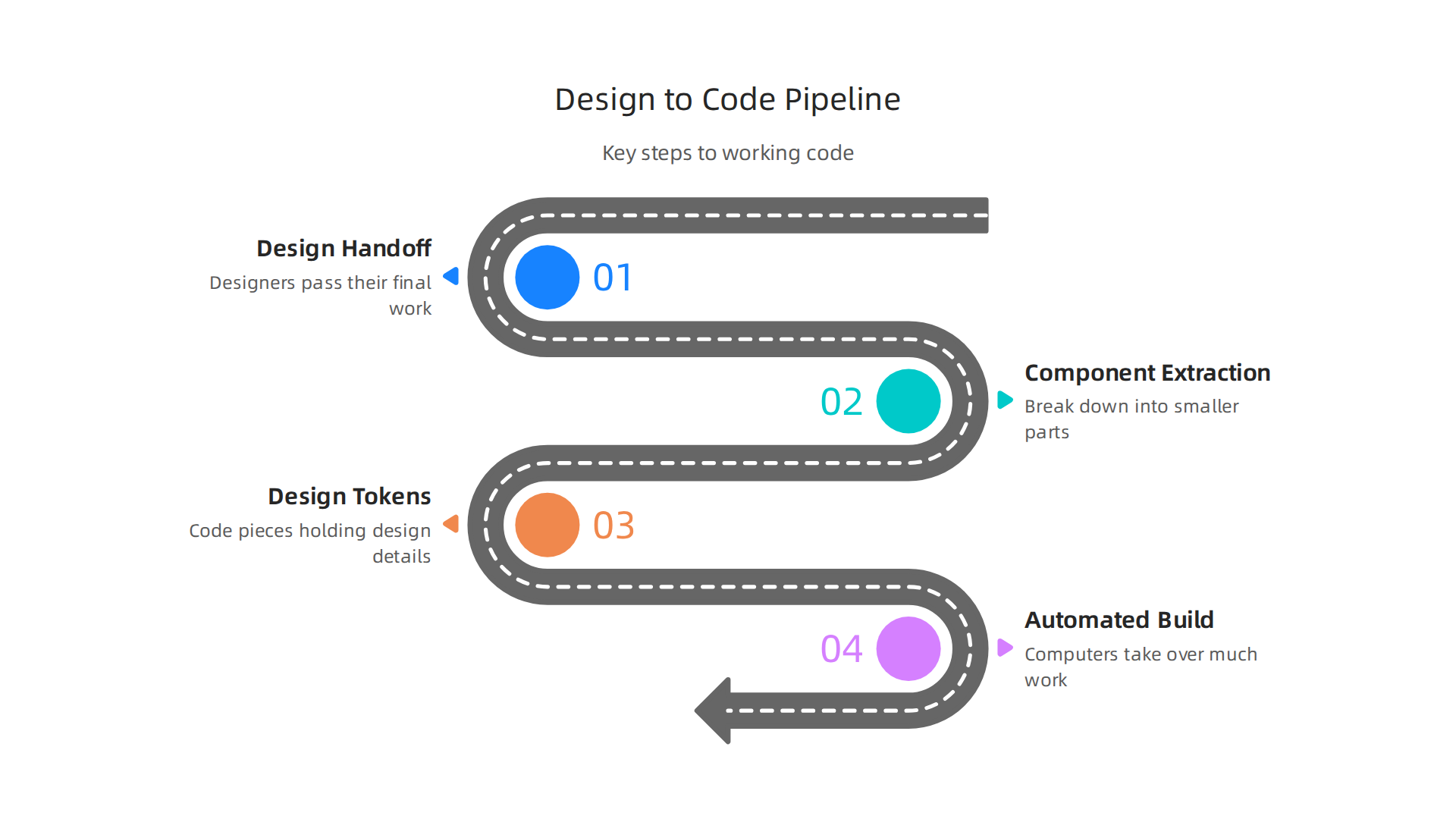
- Design Handoff: This is when designers pass their final work to the developers. It’s not just sending a file. It often involves clear notes, guides, and discussions to make sure everyone understands how the website should look and act.

- Component Extraction: Instead of building everything from scratch, designers and developers often break down the website into smaller, reusable parts called components. Think of these as digital LEGO bricks like buttons, menus, or forms. Tools that help with computer assisted design software often make this easier.
- Design Tokens: These are like little pieces of code that hold design details. For example, a design token might say "brand blue is #007bff" or "main font size is 16px." Using design tokens helps keep colors, fonts, and spacing exactly the same across the whole website. This means every part of the site built using this software for computer aided design will be consistent.
- Automated Build Processes: Once the design is broken down into components and tokens, computers take over a lot of the work. Automated tools help turn these design parts into the actual code that makes up the website. This process helps make sure new features are built quickly and correctly. In 2026, many teams use AI tools to help with this, working together with humans to make sure the process is clear and controllable Human–Computer Interaction in the Agentic AI Era.
Common Problems (Pitfalls)
Even with good tools and steps, things can go wrong. It is helpful to know these common problems so you can avoid them:
- Broken Component Parity: This happens when what the designer drew doesn’t match what the developer built. The button in the design might look different from the button on the live website. This makes the website feel inconsistent.
- CSS Bloat: CSS is the code that tells a website how to look. If too many different styles are added without cleaning up old ones, the CSS can get very large and messy. This slows down the website and makes it harder for developers to update.
- Accessibility Regressions: Sometimes, when new parts are added or old parts are changed, a website can accidentally become harder for people with disabilities to use. For example, screen readers might not work right, or keyboard navigation might break. This is a big problem because everyone should be able to use a website easily. It is important for engineering teams to prevent failures by carefully evaluating their technology services how engineering teams evaluate technology services to prevent failures.
To avoid these problems, it is important for systems to be transparent, meaning users can understand what the system is doing, and for people to have control over the outcomes Top HCI Trends in 2026.
Making sure that designs move smoothly to a finished product is a key part of good web software design. It means designers and developers need to work closely and use the right tools and steps to build the best websites.
After putting all those good steps into place for web software design, how do you know if they are actually working? It is not enough to just do things. You also need to measure if your team is getting better. By looking at a few key numbers, teams can see if new tools or ways of working are helping them build better websites faster.

Here are some important numbers to track when you change tools or processes for website software design:
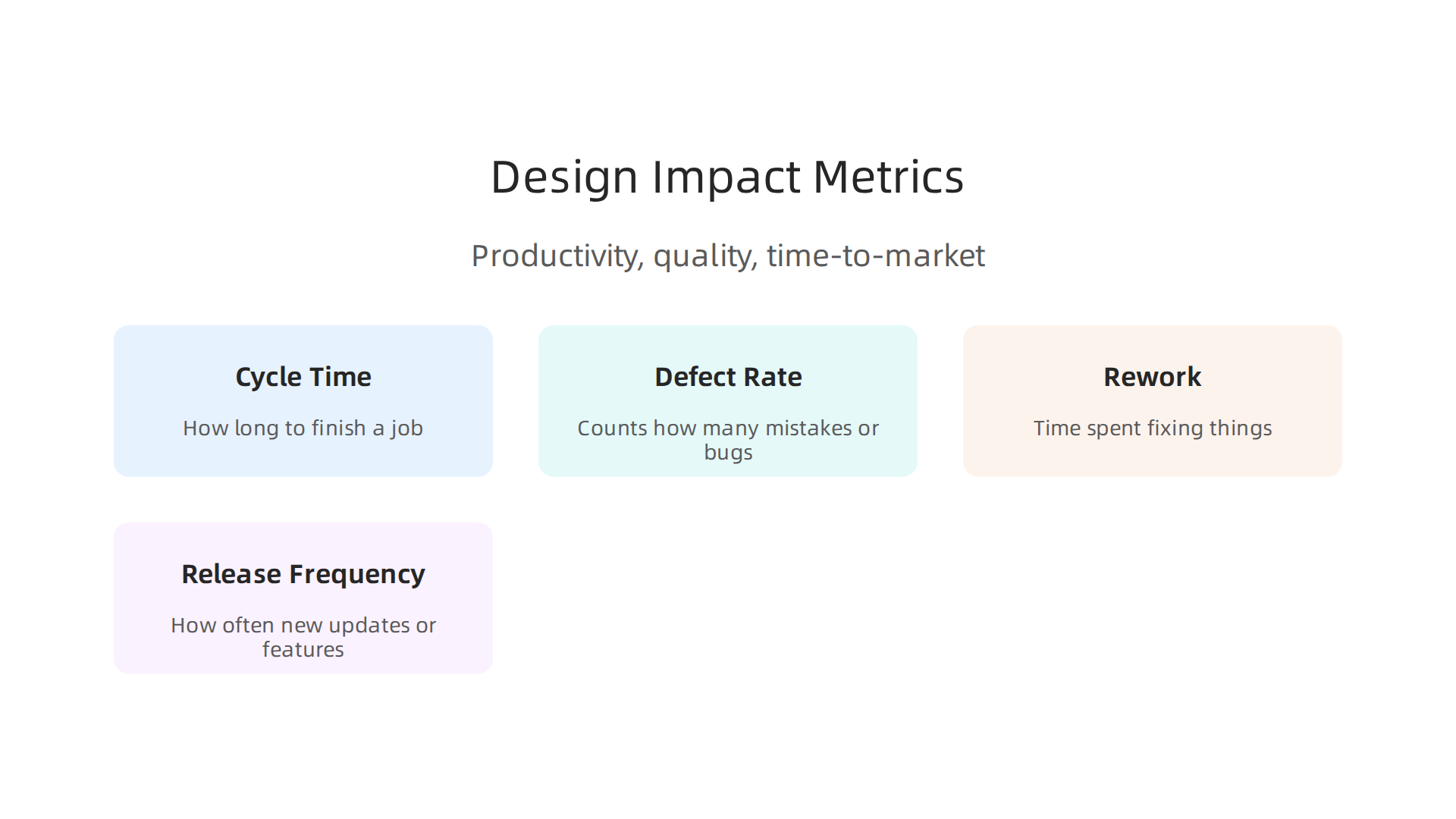
- Cycle Time: This measures how long it takes to finish a job from start to end. For example, how long does it take from when a new idea for a website feature is born until it’s live for users? A shorter cycle time usually means your team is working more efficiently.
- Defect Rate: This counts how many mistakes or "bugs" are found in the website. A lower defect rate means the quality of your work is getting better.
- Rework: This tracks how much time the team spends fixing things that were not done right the first time. If you have less rework, it means you are building things correctly from the start, saving time and effort.
- Release Frequency: This shows how often your team puts out new updates or features for the website. Releasing more often usually means you can react faster to what users need and improve the website constantly.
Looking at these numbers helps teams understand if their chosen strategies for website software design are making a real difference. For instance, good UX design should improve key product metrics like how quickly users find value, how often they return, and if they complete important actions like buying something or signing up UX/UI, AI and Trends That Actually Work in 2026. Also, when new tools are brought in, like advanced computer assisted design software, it is important to evaluate their real-world impact, not just their promised features Human- Centered Large Language Models.
Trying Out New Tools with A/B Testing
Sometimes, you are not sure if a new tool or way of doing things will truly help. That is where A/B testing can be very useful. Think of it like this:
- Split the Team: Divide your engineering team into two groups.
- Give One Group the New Tool: One group continues to work as before, and the other group tries out the new tool, perhaps a new type of
software for computer aided design. - Measure and Compare: After a set time, you look at the numbers we talked about above (cycle time, defect rate, etc.) for both groups. Which group performed better? This helps you see if the new tool actually makes a positive change.
- Quantifying ROI (Return on Investment): This simply means figuring out if the money and time spent on a new tool or process are worth it. If the new tool helps your team work much faster, build higher quality products, or makes customers happier, then it has a good return on investment. Tools that analyze user interactions, like those with eye-tracking or advanced heatmapping, are becoming more common in 2026 to help collect this data Top UX and UI Design Tools for 2026: The Ultimate ….
By using these methods, teams can make smart choices about their tools and processes, ensuring that their efforts in web software design lead to better results. For more on making good decisions about the tools your team uses, consider these strategic choices for developer tools and cloud platforms in 2026. To stay ahead in this fast-changing world of technology, keeping up with the latest insights is crucial. Get clear daily AI updates from The AI Newsletter Worth Reading.
After you figure out if a new tool for website software design is working, the next big step is choosing the right tools in the first place. This means looking closely at who you buy the tools from, making sure they are secure, and thinking about how they will work for you over a long time. It is like choosing a good partner for your team.
Vendor selection checklist: procurement, security, and long-term vendor risk
When picking a new tool or platform for your web software design work, it is important to think about more than just what it can do. You also need to look at the business side of things.
- Licensing and Pricing: First, understand how you will pay for the software. Is it a one-time cost or a monthly fee? Are there different plans for different team sizes? You want to know that the price will not suddenly jump up. It is also important to check for hidden costs. The market for AI-powered design tools, for example, is growing fast and is expected to reach $8.22 billion in 2026, so understanding pricing for these rapidly changing tools is key to managing your budget well AI-Powered Design Tools Market Share, Size, Trends, Report 2026.
- Enterprise Features: If you have a large team, you might need special features that help everyone work together smoothly. This could mean tools for managing many projects, sharing files easily, or setting up different access levels for team members.
- Service Level Agreements (SLAs): An SLA is like a promise from the company that makes the software. It says how reliable their service will be and how quickly they will fix problems if something goes wrong. This is important, especially for tools you use every day.
- Long-Term Support: Will the company keep updating the tool? Will they offer help if you get stuck? You do not want to choose a
computer assisted design softwareonly for it to become old or unsupported next year.
Security and Compliance Matters
Choosing design tooling and hosted platforms also means thinking about safety. In 2026, many software for computer aided design options are cloud-based, meaning your work might be stored online.
- Data Protection: You need to know that your project files and sensitive information are safe from hackers. Ask the vendor about their security measures.
- Compliance: Depending on your work, you might need to follow certain rules about how data is handled. Make sure the tools you pick can help you meet these rules. For example, if you are working with personal user data, you need to be sure the tool protects it properly.
Making smart choices about vendors from the start can save your team a lot of headaches later on. It helps keep your website software design projects running smoothly and securely. For more on choosing the right tools, learn about How Engineering Teams Evaluate Technology Services To Prevent Failures.
After you have picked the best tools and vendors for your website software design needs, the next big step is actually moving to those new tools. This can feel like a big change, but with a good plan, it can go smoothly. Think of it like moving to a new house: you do not just throw everything in boxes and hope for the best. You plan carefully.
Migration strategies: pilot programs, co-existence, and rollback plans
Moving to new computer assisted design software or a different software for computer aided design platform needs a smart plan.

You want to avoid big problems and make sure everyone on your team can keep working well.
Here is how you can do it step-by-step:
- Pilot Programs: Before everyone switches, it is a good idea to try out the new tool with a small group. This is called a pilot program. A few team members can use the new
web software designtool on a smaller project. This helps you find any problems early and fix them before they affect everyone. For example, some teams might test out a new design system migration on less important web pages first to get feedback Product Management – Design System Migration. - Measure Everything: During the pilot, keep track of how things are going. Is the new tool making work faster? Are there new problems? Getting feedback and looking at the results helps you decide if the tool is truly better.
- Gradual Rollout: Once the pilot is successful, you can slowly bring more people and projects onto the new system. This slow approach helps everyone get used to the changes without feeling overwhelmed. It also means if something unexpected comes up, you can stop and fix it before it becomes a bigger issue for the whole team. A planned migration often sees big improvements after the change DESIGN AND MIGRATION OF LARGE-SCALE ENTERPRISE.
- Co-existence: Sometimes, your old and new systems might need to work side-by-side for a while. This is like having two sets of tools. It helps bridge the gap and ensures ongoing projects can finish using the old tools while new ones start with the new system. This is especially true when dealing with legacy applications, which need careful planning for a successful change Modernising Legacy Applications through Design System Migration.
- Rollback Plans: What if something goes really wrong? You need a plan to go back to the old system if needed. This "rollback plan" is like an emergency exit. It gives you peace of mind that you can fix things if the new tool does not work out as planned.
Technical Stuff: Component Libraries and Design Tokens
When changing tools, you also need to think about technical details. Many teams today use "design systems" for their website software design. These systems include:
- Component Libraries: These are collections of ready-to-use parts, like buttons, forms, or navigation bars. Instead of making a new button every time, designers and developers can pick one from the library.
- Design Tokens: These are like variables for design. They define things like colors, fonts, and spacing. So, if you decide to change your main brand color, you only need to update the design token once, and it changes everywhere.
Moving these parts safely to a new tool is key. Tools like Figma have become popular in 2026 for unifying design, prototyping, and handoff, which helps in migrating component libraries efficiently Pfizer Clinical Trials: Design System Migration and Website Redesign. You need to make sure all your existing components and design tokens can be brought into the new system correctly and still work as expected. This sometimes means building a new library in the new tool and making sure everything matches up. Keeping up with the latest tools and strategies, especially in AI, is crucial for engineers. To learn more about how technology is changing, you might want to consider some strategic choices for developer tools and cloud platforms in 2026.
Making these moves carefully helps your team stay efficient and avoid big bumps in your work.
Get clear daily AI updates from The Deep View Newsletter. The AI Newsletter Worth Reading
The world of website software design keeps moving forward very fast. Just like we talk about planning for today’s changes, it is also important to look at what is coming next. In 2026, new ideas are making it even easier and faster to build great websites.
Future trends: AI-assisted design, low-code frontends, and design systems evolution
Big changes are happening right now, especially with how Artificial Intelligence (AI) helps us design.
- AI for Building Website Parts: Imagine if a smart helper could make buttons, menus, or other pieces for your website just by you describing them. This is what AI-assisted component generation is doing. AI tools can now help create parts of a website much faster. The market for AI-powered design tools is growing quickly, expected to be over $8 billion in 2026 alone AI-Powered Design Tools Market Report 2026. Many design teams are finding that AI helps them bring products to market 40-60% faster Creative Professionals & AI Tools in 2026 – Designfest. This means fewer hours spent on basic tasks, giving designers more time for creative thinking.
- Automated Help for Everyone: Making websites that everyone can use, even those with different needs, is super important. This is called accessibility. Soon, AI will be able to check your
web software designand fix things automatically to make sure it is easy for everyone to use. This helps make sure no one is left out. - Less Code, More Visual Building: Another big trend is "low-code production frontends." This means you can build parts of a website with much less actual coding. Instead, you use visual tools that let you drag and drop parts or fill in simple forms. This makes creating a
software for computer aided designfor websites quicker. It also lets more people, even those who are not expert coders, help build websites. To understand more about this trend, read about How Building Without Code Is Transforming Software Development In 2026.
Getting Ready for the Future
These new tools and ways of working can change how your team does computer assisted design software for websites. It is smart to learn about these changes and think about how they might help your team. Look into new technologies but also remember to evaluate them carefully to see if they truly fit your needs. Knowing how to choose wisely is a key skill for any team. To learn more about how to make smart choices, check out how How Engineering Teams Evaluate Technology Services To Prevent Failures.
Thinking ahead and being ready for these trends will help your team make even better websites in the years to come.
Summary
This article explains why website software design is critical for engineering teams in 2026 and shows how to choose, evaluate, and adopt the right tools and workflows. It covers the core selection criteria — performance, collaboration, and maintainability — and breaks down the main tool types you’ll encounter: visual editors, prototyping platforms, component libraries, and code-first systems. The guide walks through the practical pipeline from design files to production code, highlights common pitfalls like component parity and CSS bloat, and gives concrete measurement signals (cycle time, defect rate, rework, release frequency) to judge success. It also outlines a vendor-selection checklist (pricing, SLAs, security) and a migration strategy (pilot programs, gradual rollouts, rollback plans). Finally, the article surveys near-term trends — AI-assisted component generation and low-code frontends — and explains how teams can test new tools with A/B-style pilots to quantify ROI and avoid costly mistakes.